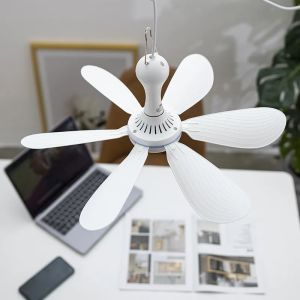



Ceiling Fan With Light Remote And Control: 3 Fan Blades, 6 Speeds, Smart Timing Reversible DC Motor
Ceiling Fan With Light Remote And Control: 3 Fan Blades, 6 Speeds, Smart Timing Reversible DC Motor
Introduction to Ceiling Fans with Light & Remote
Ceiling fans with light and remote control offer a convenient way to enhance the comfort and ambiance of any indoor space, including bedrooms, dining rooms, and living rooms. This article will guide you through choosing, installing, using, and maintaining a ceiling fan with light and remote control, specifically focusing on models with 3 fan blades, 6 speeds, smart timing, and reversible DC motors.
Key Features of Ceiling Fans with Light & Remote
- 3 Fan Blades: A three-blade design provides efficient air circulation, making it perfect for smaller rooms or spaces with limited ceiling height.
- 6 Speeds: With six adjustable speed settings, you can customize the airflow to suit your comfort level and energy-saving preferences.
- Smart Timing: This feature allows you to set a timer for the fan to automatically turn off after a specified period, saving energy and extending the life of the motor.
- Reversible DC Motor: A reversible DC motor ensures smooth, quiet operation and enables you to switch the fan direction for year-round comfort – clockwise for cooling in summer and counterclockwise for heating in winter.
Benefits of Ceiling Fans with Light & Remote
Ceiling fans with light and remote control offer numerous advantages over traditional ceiling fans, including:
- Energy Efficiency: By combining a ceiling fan with a light fixture, you can save energy and reduce your electricity bill.
- Enhanced Comfort: The ability to adjust the fan speed and direction provides personalized comfort for all seasons.
- Convenience: Remote control operation allows you to adjust the fan speed, direction, and light without leaving your seat.
- Ambiance: Ceiling fans with light fixtures can add a touch of elegance and style to any room, enhancing its overall appearance.
Choosing the Right Ceiling Fan with Light & Remote
Types of Ceiling Fans with Light & Remote
Ceiling fans with light and remote control come in various styles, including contemporary, traditional, and industrial designs. Consider the aesthetic of your room when choosing a ceiling fan to ensure it complements the existing decor.
Factors to Consider When Choosing a Ceiling Fan with Light & Remote
When selecting a ceiling fan with light and remote control, keep the following factors in mind:
- Room Size: Choose a fan size that matches the dimensions of your room to ensure optimal air circulation.
- Mounting Type: Determine whether you need a flush mount, semi-flush mount, or downrod-mounted fan based on your ceiling height and room layout.
- Blade Design: Select a blade design that complements your room's decor and provides the desired airflow.
Installation & Setup of Ceiling Fans with Light & Remote
Steps to Install a Ceiling Fan with Light & Remote
Installing a ceiling fan with light and remote control requires some basic electrical knowledge and tools. Follow these steps for a successful installation:
- Turn off the power at the circuit breaker.
- Mount the fan's canopy and electrical box to the ceiling.
- Connect the fan's wires to the electrical box's wires.
- Install the fan motor and blades.
- Install the light fixture and remote control receiver.
- Turn on the power and test the fan and light functions.
Troubleshooting Common Issues During Installation
If you encounter problems during installation, refer to the fan's user manual or consult a licensed electrician for assistance. Common issues include:
- Incorrect wiring connections
- Loose or damaged fan blades
- Faulty light fixture or remote control receiver
Using & Maintaining Ceiling Fans with Light & Remote
How to Operate a Ceiling Fan with Light & Remote
Operating a ceiling fan with light and remote control is simple and intuitive. Use the remote control to adjust the fan speed, direction, and light functions as needed.
Tips for Maintaining Your Ceiling Fan with Light & Remote
To ensure the longevity and optimal performance of your ceiling fan with light and remote control, follow these maintenance tips:
- Clean the fan blades and light fixture regularly using a soft cloth or brush.
- Inspect the fan's wiring and connections periodically to ensure they are secure and free from damage.
- Replace any worn or damaged components, such as fan blades or light bulbs, promptly.
In conclusion, ceiling fans with light and remote control offer a convenient and stylish way to enhance the comfort and ambiance of any indoor space. By following the guidelines provided in this article, you can choose, install, use, and maintain a ceiling fan with light and remote control that meets your needs and preferences.

ME Lighting
Review
You May Also Like
NEW Mens Electric Groin Hair Trimmer Pubic Hair Removal Intimate Areas Body Grooming Clipper Epilator Rechargeable Shaver Razor

100% Original Yoky Mini Fan Rechargeable High Speed Turbo Fan Strong Wind 100 Gear Speed Handheld Fan
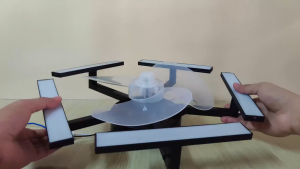
Modern Style LED Ceiling Lamp Surface Mounted Indoor Lighting for Bedroom & Living Room
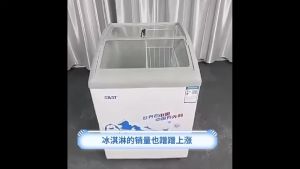
Vertical Glass-Door Freezer for Supermarkets - Direct Cooling Ice Cream & Frozen Food Display
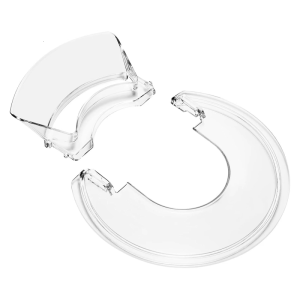
Pouring Shield for 3.5 Quart Tilt Head Stand Mixer Splash Guard with Removable Pouring Mixer Attachment
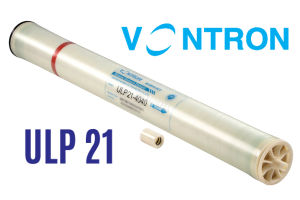
Vontron ULP 21 4040 Reverse Osmosis membrane (original with verifiable codes)
4pcs Ironing Protective Mesh Cloths Ironing Mesh Cloth for Extending Garment Life and Ensuring Neat Appearance
ZHUHAO 8148 8591 8504 Electric Hair Clippers Power Supply USB Charging Cable Line Black

Multifunctional Hand Juicer Preserve Original Flavor Fruit Health 0 Add Lemon Stainless Steel Squeezer

Cordless Electric Hair Trimmer & Rechargeable Beard Shaver: A Comprehensive Guide

Check Valve Exhaust Fan Round Pipe Return Valve Air Duct Ventilation Grille/exhaust Pipe Check Valve