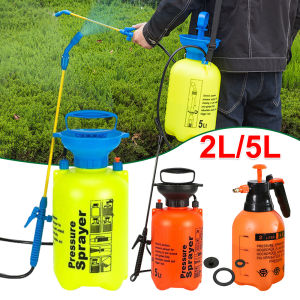



Green Plant Organic Fertilizer for Flower Growth
Green Plant Organic Fertilizer for Flower Growth
Introduction to Natural Flower Fertilizer
Understanding plant nutrition for flowers is essential for maintaining a healthy garden. By using natural flower fertilizers, you can provide your plants with the nutrients they need to grow strong and beautiful. This article will guide you through the process of selecting and applying green plant organic fertilizer for flower growth, helping you achieve optimal results.
Understanding Plant Nutrition for Flowers
Flowers require a balanced mix of macronutrients and micronutrients to thrive. Macronutrients include nitrogen, phosphorus, and potassium, while micronutrients consist of iron, manganese, zinc, copper, boron, and molybdenum. Organic fertilizers contain these essential elements in a form that is easily absorbed by plants, promoting healthy growth and development.
Organic Soil Amendment for Optimal Growth
Organic soil amendments, such as compost, manure, and worm castings, provide a rich source of nutrients for flowers. These amendments improve soil structure, enhance water retention, and promote beneficial microbial activity. By incorporating organic soil amendments into your garden, you can create a healthy environment for your flowers to flourish.
Benefits of Using Organic Fertilizer for Flowers
Using organic fertilizer for flowers offers numerous advantages over synthetic alternatives. By choosing natural flower fertilizers, you can reduce chemical residue in your garden, enhance flower growth with green plant growth enhancers, and promote overall plant health.
Enhancing Flower Growth with Green Plant Growth Enhancer
Green plant growth enhancers, such as seaweed extract and fish emulsion, provide essential nutrients and hormones that stimulate flower growth. These natural products help plants develop stronger roots, produce more blooms, and resist environmental stress.
Reducing Chemical Residue in Your Garden
Organic fertilizers break down quickly in the soil, leaving no harmful residues behind. Unlike synthetic fertilizers, which can accumulate in the soil over time, organic fertilizers provide a sustainable solution for maintaining a healthy garden ecosystem.
How to Choose the Right Organic Fertilizer for Your Flowers
Selecting the right organic fertilizer for your flowers requires careful consideration of the specific needs of your plants. By identifying key ingredients in organic fertilizers and considering the requirements of your flower species, you can make an informed decision about which product to use.
Identifying Key Ingredients in Organic Fertilizers
Organic fertilizers contain a variety of natural ingredients, including bone meal, blood meal, fish meal, feather meal, and alfalfa meal. Each ingredient provides a unique combination of nutrients that can benefit different types of flowers. For example, bone meal is rich in phosphorus, which promotes root development, while blood meal is high in nitrogen, which encourages leaf growth.
Considering the Specific Needs of Your Flower Species
Different flower species have varying nutritional requirements. By understanding the specific needs of your plants, you can choose an organic fertilizer that provides the right balance of nutrients for optimal growth. For instance, roses require a fertilizer with a higher phosphorus content to encourage blooming, while sunflowers thrive on a nitrogen-rich diet.
Application Methods for Organic Flower Fertilizers
Applying organic flower fertilizers effectively requires knowledge of the proper methods and timing. By using top dressing and watering-in techniques, you can ensure that your flowers receive the nutrients they need to grow strong and healthy.
Top Dressing: A Simple Method for Feeding Your Flowers
Top dressing involves spreading a layer of organic fertilizer around the base of your flowers. This method allows the nutrients to slowly break down and become available to the plants over time. To top dress your flowers, simply sprinkle a thin layer of fertilizer around the base of each plant, being careful not to let it come into direct contact with the stems or leaves.
Watering-In: Delivering Nutrients Directly to the Roots
Watering-in involves mixing organic fertilizer with water and applying it directly to the soil around your flowers. This method ensures that the nutrients reach the roots quickly, promoting rapid uptake and growth. To water-in your flowers, mix the fertilizer according to the package instructions and apply it evenly around the base of each plant.
Monitoring and Adjusting Your Organic Fertilizer Regimen
Regular monitoring and adjustment of your organic fertilizer regimen are essential for maintaining healthy flower growth. By tracking flower growth and health and making adjustments based on environmental factors, you can ensure that your plants receive the optimal amount of nutrients throughout the growing season.
Tracking Flower Growth and Health
Monitor your flowers regularly to assess their growth and health. Look for signs of nutrient deficiencies, such as yellowing leaves or stunted growth, and adjust your fertilizer regimen accordingly. By staying vigilant, you can catch potential problems early and take corrective action to maintain healthy plants.
Making Adjustments Based on Environmental Factors
Environmental factors, such as temperature, rainfall, and soil conditions, can affect the effectiveness of organic fertilizers. Be prepared to adjust your fertilizer regimen based on changing conditions to ensure that your flowers receive the right amount of nutrients at the right time.
By following these guidelines, you can successfully use green plant organic fertilizer for flower growth, creating a beautiful and sustainable garden that thrives year after year.

Geegobuy
Review

You May Also Like
MAKITA Electric Chain Wood Cutting Saw 6inch Shears Blade Cordless Electric Chainsaw Rechargeable
Cordless Lawn Trimmer Weed Wacker - Apiuek 21V Lawn Mower Grass Edger with 2.0Ah Li-Ion Battery Powered & 3 Cutting Blade Types Compact Power Tool for Lawn Yard Work
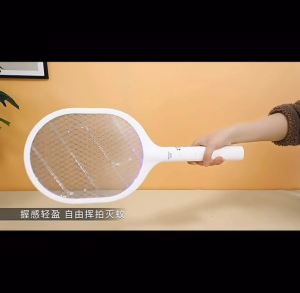
Rechargeable Electric Mosquito Swatter Automatic Mosquito Trap Electric Net Mosquito Killing LED Mosquito Lamp Household
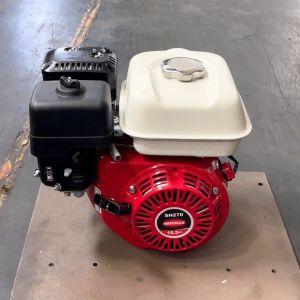
New Gasoline Engine 7.5HP-18.5HP High Speed or Low Speed Multipurpose Portable For Home Marine Type
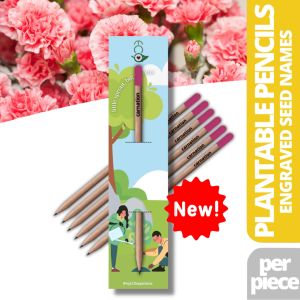
Ecò Plantable Pencils: A Sustainable Gardening Tool
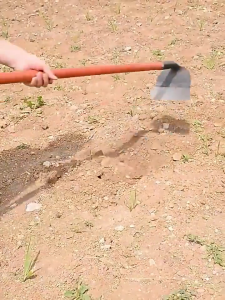
Steel Garden/Outdoor Steel Hoe Without Handle Garden Hoe Gardening Shovel Weeding Rake Digging
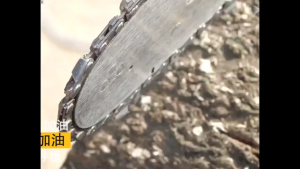
20 22 24 Inch Saw Chain Wear-resistant Chainsaw 76DL/86DL/94 Drive Links Right Angle Chainsaw
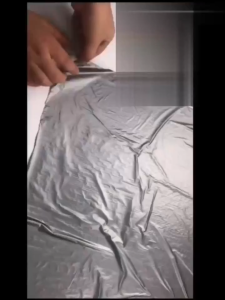
COD Imported Material PLASTIC MULCH FILM 80CM X 550M (1 roll black) Superior Quality Weeding Film 2.65Ft x 1805Ft Thermal Insulation Film Moisturizing Film
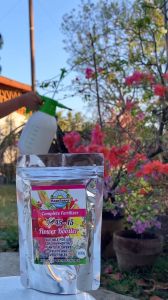
Best Pampabulaklak 100g (upto 50- 100 liters) Flower Booster Fertilizer - Lazada
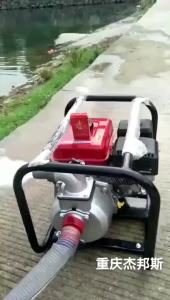
Gasoline Engine 170F168 Accessories 5.5 6.5 7.5HP Carburetor GX160 200 Water Pump Carburetor with Cup
1PC High Pressure hose Expandable Magic Hose For Garden Watering And Cleaning 3/4 " Connector Sprinkler Head Watering Device