



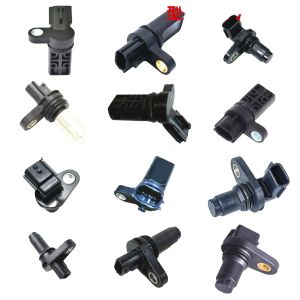
Crankshaft Position Sensor A29-630 & 23731-4M500 for Nissan Sentra
Crankshaft Position Sensor A29-630 & 23731-4M500 for Nissan Sentra
Understanding the Crankshaft Position Sensor
What is a Crankshaft Position Sensor?
The crankshaft position sensor (CKP) is a crucial component in your Nissan Sentra's engine management system. This sensor monitors the rotational speed and position of the crankshaft, providing vital data to the engine control unit (ECU) to optimize ignition timing and fuel injection. In turn, this ensures optimal engine performance, fuel efficiency, and reduced emissions.
Types of Crankshaft Position Sensors
There are two primary types of crankshaft position sensors used in Nissan Sentras: magnetic and Hall-effect sensors. Magnetic sensors use a magnet and coil to detect the position of the crankshaft, while Hall-effect sensors rely on changes in voltage caused by the rotation of the crankshaft.
Common Nissan Sentra Models Using These Sensors
The crankshaft position sensor models A29-630 and 23731-4M500 are compatible with various Nissan Sentra models, including those manufactured between 1982 and 2019. Some specific models that utilize these sensors include the 1982-2016, 1983-2000, and 1992-1994 Sentras equipped with 1.6L engines.
Installation & Replacement Guide
How to Install a New Crankshaft Position Sensor
Installing a new crankshaft position sensor involves several steps:
- Disconnect the negative battery terminal to prevent electrical shock and damage to the ECU.
- Locate the crankshaft position sensor on the engine block or timing cover.
- Remove any obstructions, such as wiring harnesses or brackets, that may interfere with accessing the sensor.
- Unplug the electrical connector from the sensor.
- Remove the mounting bolts or retaining clips securing the sensor to the engine block or timing cover.
- Carefully remove the old sensor and install the new one, ensuring proper alignment with the crankshaft gear teeth.
- Reconnect the electrical connector and secure the mounting bolts or retaining clips.
- Reconnect the negative battery terminal and test the vehicle to ensure proper operation.
Replacing a Faulty Crankshaft Position Sensor
If your Nissan Sentra is experiencing issues related to a faulty crankshaft position sensor, such as rough idling, poor fuel economy, or stalling, replacing the sensor is crucial. Follow the installation guide above to remove and install a new A29-630 or 23731-4M500 crankshaft position sensor.
Tips for Ensuring Proper Installation
To ensure proper installation of the crankshaft position sensor, follow these tips:
- Always refer to your vehicle's repair manual for specific installation instructions.
- Verify that the new sensor is compatible with your Sentra model and engine.
- Clean the sensor mounting area before installation to prevent contamination.
- Double-check the sensor's alignment with the crankshaft gear teeth.
- Tighten the mounting bolts or retaining clips to the manufacturer's specified torque specifications.
Troubleshooting & Maintenance
Identifying Issues with Your Crankshaft Position Sensor
Common symptoms of a failing crankshaft position sensor include:
- Rough idling or stalling
- Poor fuel economy
- Check engine light illuminated
- Difficulty starting the vehicle
Maintaining Your Crankshaft Position Sensor
To maintain your crankshaft position sensor, perform regular inspections and cleaning of the sensor mounting area. Replace the sensor if it shows signs of wear or damage, such as frayed wiring or corrosion.
Common Causes of Crankshaft Position Sensor Failure
Some common causes of crankshaft position sensor failure include:
- Physical damage from road debris or improper installation
- Electrical issues, such as short circuits or open circuits in the wiring harness
- Wear and tear caused by prolonged exposure to engine heat and vibration
In conclusion, the crankshaft position sensor plays a vital role in optimizing your Nissan Sentra's engine performance. By understanding its function, proper installation, and troubleshooting techniques, you can ensure optimal engine operation and extend the life of this critical component.

BAOP
Review

You May Also Like
RS8 JET SPRAY CVT CLEANER DEGREASER
Engine Parts Vacuum Pump Solenoid Valve For Isuzu K4JJ1

2UR-GSE 2UR-FSE 2UR-FE 2UR Timing Chain Kit for Lexus GNTKW AEXGHW AEXGHA Engine 13540-38020 13506-38030 KA-61
Young0 Car Trunk Tail Lights: S7T8U LED Rear Bumper Turn Signal & Brake Lamp Fog Lamp Accessories
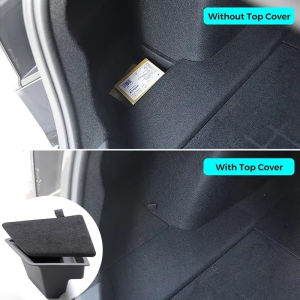
For Tesla Model 3 Rear Trunk Storage Box Left Side Space Organizer Box with Pull Rope Car Interior Accessories Model3 2021-2023
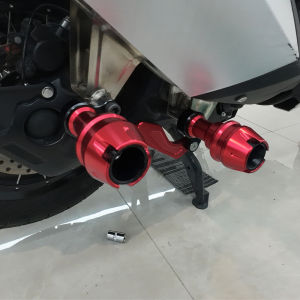
For Zontes 368G 368D 368E 368M accessories CNC Aluminum Alloy exhaust pipe anti drop rod front and rear wheel anti ball protection bars
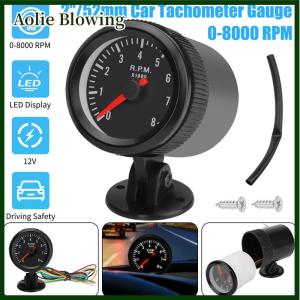
Aolie 2 52mm Car Meter Tachometer RPM Gauge 0-8000RPM Analog Black Case With White LED For 1-8 Cylinders Gasoline Car
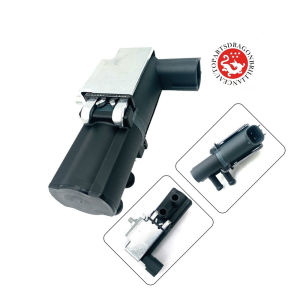
Evaporative Purge Valve Solenoid OEM MR507579 136200-2190 CP659 PV910 1362002190 For Mitsubishi Montero Sport Engine

Carrie8 For BMW 3 Series (2012-2019): Touch Blue Modification & Flowing Turn Signal

18 Grids Car Air Conditioner Compressor O-Ring Repair Box Sealing Rubber Ring Nitrile Silicone Fluorine Rubber Ring Mechanical Hardware

ICHEM PRODUCT 1PC ENGINE WASH 250ML SPRAY BOTTLE (ENGINE WASH ENGINE DEGREASER ENGINE CLEANER CAR PARTS CLEANER)