



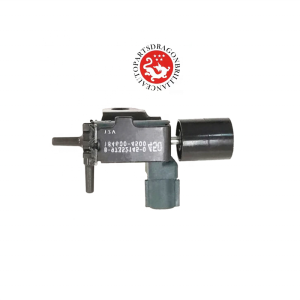
EGR Vacuum Solenoid Control Valve 8-97352-145-0 8973521450 97352145 8 97352145-0 184600-4500 8-97352145-0 For Isuzu D-MAX
EGR Vacuum Solenoid Control Valve 8-97352-145-0 8973521450 97352145 8 97352145-0 184600-4500 8-97352145-0 For Isuzu D-MAX
Understanding the EGR Vacuum Solenoid Control Valve
The EGR Vacuum Solenoid Control Valve, specifically model 8-97352-145-0, is a crucial component in the exhaust gas recirculation (EGR) system of Isuzu D-MAX vehicles. This solenoid valve plays a vital role in reducing harmful emissions and improving fuel efficiency.
What is the EGR Vacuum Solenoid Control Valve?
The EGR Vacuum Solenoid Control Valve is an electromechanical device that regulates the flow of exhaust gases back into the engine's intake system. By doing so, it helps to reduce nitrogen oxide emissions and improve overall engine performance.
Key Features & Benefits
- Designed for Isuzu D-MAX vehicles with engines ranging from 2.5 D, 2.5 DiTD 4x4, 3.0 D 4x4, 2.5 DiTD 4x4, and 2.5 DiTD.
- Compatible with model years 2007-2016, 2006-2015, and 2007-2012.
- OE numbers include 8973521450, 97352145, 8, 97352145-0, 184600-4500, and 8-97352145-0.
Common Applications
The EGR Vacuum Solenoid Control Valve is primarily used for retrofitting and upgrading Isuzu D-MAX vehicles. It ensures optimal performance and emission standards by maintaining proper exhaust gas recirculation.
Installing the EGR Vacuum Solenoid Control Valve
To install the EGR Vacuum Solenoid Control Valve, you will need specific tools and materials, as well as a step-by-step process to ensure a successful installation.
Tools & Materials Needed
- Socket set
- Screwdrivers (flathead and Phillips)
- Pliers
- Torque wrench
- New EGR Vacuum Solenoid Control Valve (model 8-97352-145-0)
Step-by-Step Installation Process
- Disconnect the negative battery terminal to prevent electrical shock.
- Locate the EGR Vacuum Solenoid Control Valve under the hood of your Isuzu D-MAX.
- Remove any retaining clips or screws holding the old valve in place.
- Carefully disconnect the electrical connector from the old valve.
- Remove the old valve and install the new EGR Vacuum Solenoid Control Valve.
- Reconnect the electrical connector and secure the retaining clips or screws.
- Reconnect the negative battery terminal.
- Test the new valve by starting the engine and checking for proper operation.
Troubleshooting Tips
- If the valve does not operate correctly, ensure that it is properly connected and secured.
- Check for any loose connections or damaged wiring.
- Consult the vehicle's service manual for specific troubleshooting procedures.
Maintaining the EGR Vacuum Solenoid Control Valve
Regular maintenance and inspection of the EGR Vacuum Solenoid Control Valve are essential to ensure optimal performance and longevity.
Regular Maintenance Tasks
- Inspect the valve for any signs of wear or damage during routine maintenance checks.
- Clean the valve and surrounding components to remove dirt and debris.
- Replace any worn or damaged components as needed.
Signs of Wear & Tear
- Reduced engine performance
- Increased fuel consumption
- Check engine light illuminated
When to Replace the EGR Vacuum Solenoid Control Valve
Replace the EGR Vacuum Solenoid Control Valve if you notice any of the following issues:
- The valve does not operate correctly.
- There are signs of wear or damage.
- Engine performance has declined.
- Fuel consumption has increased.
In conclusion, the EGR Vacuum Solenoid Control Valve 8-97352-145-0 is an essential component for maintaining optimal performance and emission standards in Isuzu D-MAX vehicles. By understanding its function, installing it correctly, and performing regular maintenance, you can ensure the longevity and efficiency of your vehicle's EGR system." }

QUNA
Review

You May Also Like

Car Sun Visor LED Mirror – 3-Tone Dimmable Touch Control Adjustable Brightness Portable Rechargeable

MeeGoo Car Vacuum Cleaner Wireless Handheld 2 IN 1 Cordless Household Vacuum Cleaner Vacuum Cleaner Portable Rechargeable Power Vacuum Cleaner Accessories Tool COD
Portable 12V Battery Charger Waterproof Pulse Repair Automatic Charger for Motorcycle Car
Universal Car Seat Gap Filler Leak Proof Strip 2PCS Accessories For BYD Qin Plus Pro 2012-2020 2021 2022 2023 2024 2025 2026
Motorcycle Side View Mirror For Kawasaki Z1000 Z900 Z800 Z750 Z650 Z400 Z300 Z250 Z125 Rearview Mirrors Kits Rotate Adjustable
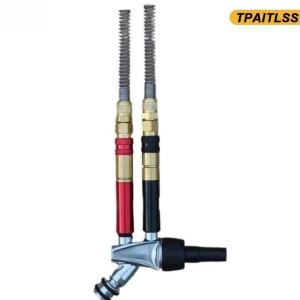
06 Powder Pump Electrostatic Injector Venturi Pump for 06 Powder Coating Injector
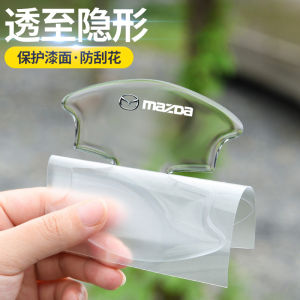
Mazda CX3 CX4/5 Atenza Door Bowl Handle Stickers Transparent Invisible Anti-Scratch Protection for Car Door Handles

Harmony Ebike Charger: A Comprehensive Guide
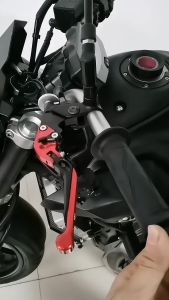
Motor Holder for Motorcycles: A Comprehensive Guide
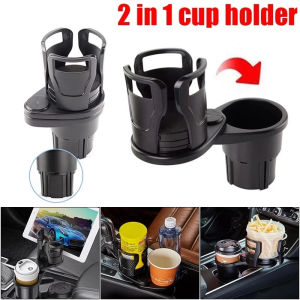
Universal Car Cup Holder Multifunction 360° Rotating Adjustable Base Insert Drinks Organizer Car Cup Holder Auto Door Mount Drink Bottle Holder Expander Adapter
Understanding the FUEL RATIO Sensor for Mitsubishi Outlander