


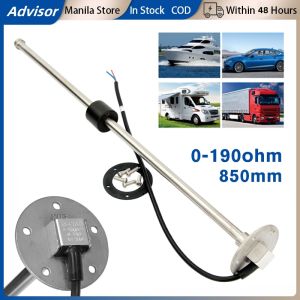
304 Stainless Steel 850mm Water Fuel Level Gauge Sensor 0-190ohm Boat Yacht Car Oil Liquid Tank Fuel Sender Unit Sensors
304 Stainless Steel 850mm Water Fuel Level Gauge Sensor 0-190ohm Boat Yacht Car Oil Liquid Tank Fuel Sender Unit Sensors
Introduction to 304 Stainless Steel Water Fuel Level Gauge
A 304 stainless steel water fuel level gauge is a highly durable and reliable sensor used to monitor the fuel levels in various vehicles, including boats, yachts, and cars. This robust sensor is designed to withstand harsh marine environments and provide accurate readings under different conditions. The gauge features a 0-190ohm oil liquid tank sender, which ensures compatibility with a wide range of vehicles. By using this advanced sensor, you can maintain optimal fuel levels and avoid unexpected breakdowns, ensuring a safer and more enjoyable driving experience.
Key Features & Benefits
- Durable Construction: Made from high-quality 304 stainless steel, the sensor offers excellent corrosion resistance and durability, even in harsh marine environments.
- Wide Compatibility: With a 0-190ohm oil liquid tank sender, this sensor can be used with various vehicles, including boats, yachts, and cars.
- Accurate Readings: The sensor provides reliable fuel level readings, allowing you to monitor fuel consumption and avoid unexpected breakdowns.
- Easy Installation: Designed for quick and easy installation, this sensor can be installed by both professionals and DIY enthusiasts.
Understanding the 0-190ohm Oil Liquid Tank Sender
The 0-190ohm oil liquid tank sender is a crucial component of the 304 stainless steel water fuel level gauge. It works by measuring the resistance of the fuel inside the tank, which changes depending on the fuel level. As the fuel level decreases, the resistance increases, providing an accurate reading of the remaining fuel. This type of sender is compatible with various vehicles, making it a versatile choice for automotive fuel level monitoring.
Compatibility with Different Vehicles
Due to its wide compatibility range, the 0-190ohm oil liquid tank sender can be used with various vehicles, including boats, yachts, and cars. This makes it an ideal choice for marine enthusiasts and automotive professionals who require reliable fuel level monitoring across different types of vehicles.
Installation Guide: How to Install the Fuel Level Gauge Sensor Unit
Installing the 304 stainless steel water fuel level gauge sensor unit is a straightforward process that can be completed by both professionals and DIY enthusiasts. Follow these steps to ensure a successful installation:
- Preparation: Gather all necessary tools and materials, including the sensor unit, wiring harness, and any required adapters.
- Remove Old Sensor: Disconnect the old sensor from the fuel tank and remove it from the vehicle.
- Install New Sensor: Insert the new sensor into the fuel tank and secure it in place using the provided mounting hardware.
- Connect Wiring Harness: Connect the wiring harness to the sensor unit and route it through the vehicle's firewall.
- Test Sensor: Turn on the vehicle and check the fuel gauge to ensure the sensor is working correctly.
Troubleshooting Common Issues
If you encounter any issues during the installation process, refer to the following troubleshooting tips:
- No Reading: Ensure that the wiring harness is properly connected and that there are no loose connections.
- Incorrect Reading: Verify that the sensor is installed correctly and that there are no obstructions inside the fuel tank.
- Sensor Not Working: Check the sensor's resistance using a multimeter to ensure it is functioning properly.
Enhancing Performance: Tips for Maintaining Your Fuel Level Gauge Sensor
To ensure the longevity and reliability of your 304 stainless steel water fuel level gauge sensor, follow these maintenance tips:
- Regular Inspections: Check the sensor for any signs of wear or damage during routine vehicle maintenance.
- Clean Connections: Ensure that all connections are clean and free from corrosion to maintain optimal performance.
- Replace Old Sensors: Replace old sensors that show signs of wear or damage to avoid unexpected breakdowns.
Extending the Lifespan of Your Fuel Level Gauge Sensor
By following these maintenance tips, you can extend the lifespan of your fuel level gauge sensor and enjoy accurate fuel level readings for years to come. Remember to always consult the vehicle's owner manual for specific maintenance recommendations and to seek professional assistance if needed.
Conclusion & Final Thoughts
In conclusion, the 304 stainless steel water fuel level gauge sensor is a reliable and versatile choice for automotive fuel level monitoring. With its durable construction, wide compatibility range, and accurate readings, this sensor offers peace of mind for marine enthusiasts and automotive professionals alike. By following the installation and maintenance guidelines outlined in this article, you can ensure a safe and enjoyable driving experience while avoiding unexpected breakdowns.

Advisor
You May Also Like
Goddess Popular Car Decorative Accessories Large Size Feather Anti-Slip Pad Center Console Decoration High End Car Interior
![[Senbilar] 1PC Micro Motor Rear Cover Carbon Brush Holder for Car Door Lock Central Lock](https://img.lazcdn.com/g/p/a162d468273e784a44c53653b13b326d.jpg_300x300q80.jpg)
[Senbilar] 1PC Micro Motor Rear Cover Carbon Brush Holder for Car Door Lock Central Lock
Portable Vanity Mirror for Car LED Touch Control 3-Tone HD Eye-Care

SYM Magic X 110 - Motorcycle Net S eat Cover / Waterproof / anti pusa / anti scratch streatchable

PENCL 12V 24V LED COB Strip Diode Truck Lamp COB Car Indoor Lights for Auto Car Bulbs Reading Lights Internal Lighting for Goods Train Van Dome Light Roof Light Super White

Aisin Stabilizer Link for Civic 01-05 CRV 02-06 Set of 2 pcs.
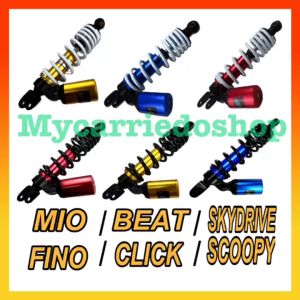
MOTOSPEED 300mm Motorcycle Rear Shock Absorber for MIO/BEAT/CLICK/SKYDRIVE/FINO/SCOOPY/GEAR/GRAVIS High Quality
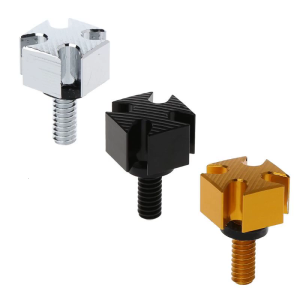
Motorcycle Seat Bolt Rear Screw 1/4" Seat Cross Thumbscrew Motocross Accessories
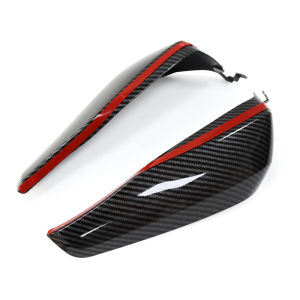
For YAMAHA XMAX300 XMAX 300 2017-2023 V1 V2 Motorcycle Modification: Wind Shield Decoration & Body Side Wind Shield Leg Shield And Leg Protector
BIG DISC 260MM 5HOLES FOR HONDA CLICK125/150/HONDA BEAT

Women Helmet Bow Decoration Double-layer Ribbon Bow Decor Raimu Kawasaki Cute Bowknot