


CRYOTUBE (NON STERILE FREE STANDING): A Comprehensive Guide
CRYOTUBE (NON STERILE FREE STANDING): A Comprehensive Guide
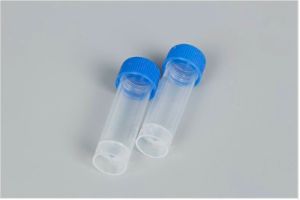
Non-sterile free-standing cryotubes are essential tools used in various scientific fields for cryogenic sample storage. These tubes provide a convenient and cost-effective solution for preserving biological samples at ultra-low temperatures. In this comprehensive guide, we will explore the key features, benefits, applications, and best practices associated with non-sterile free-standing cryotubes.
What Are Non-Sterile Cryotubes?
Non-sterile cryogenic tubes, also known as non-sterile free-standing cryotubes, are cylindrical containers made of high-quality plastic or glass materials designed to store biological samples at extremely low temperatures. These tubes are widely used in research laboratories, biotechnology companies, and medical facilities for sample preservation and analysis.
Key Features & Benefits
- High-quality materials: Non-sterile cryotubes are made from durable and chemically inert materials like polypropylene, polycarbonate, or borosilicate glass, which ensure long-term sample stability.
- Cost-effective solution: Compared to sterile cryotubes, non-sterile free-standing cryotubes offer a more affordable option for researchers and laboratories with limited budgets.
- Wide capacity options: Available in various sizes and capacities, non-sterile cryotubes accommodate different sample volumes and types.
- Easy handling: Designed with convenient features like wide mouths, snap-cap closures, and barcodes for easy identification and tracking.
Common Applications
Non-sterile free-standing cryotubes are used in a wide range of applications, including:
- Biological sample preservation: Storing cells, tissues, proteins, and nucleic acids at ultra-low temperatures for long-term stability.
- Research and development: Supporting scientific investigations in fields such as genomics, proteomics, and virology.
- Medical diagnostics: Enabling accurate sample analysis and diagnosis in clinical laboratories.
- Biotechnology: Facilitating the development of new therapeutic agents and biopharmaceuticals.
How to Choose the Right Non-Sterile Cryotube
Selecting the appropriate non-sterile cryotube depends on several factors, including material considerations, capacity, and size options.
Material Considerations
Non-sterile cryotubes are available in different materials, each offering unique properties and benefits. Common materials include:
- Polypropylene: Lightweight, durable, and resistant to most chemicals, making it suitable for storing a wide range of biological samples.
- Polycarbonate: High transparency and impact resistance, ideal for storing delicate samples like embryos and oocytes.
- Borosilicate glass: Excellent thermal shock resistance and chemical inertness, suitable for storing sensitive samples at extremely low temperatures.
Capacity & Size Options
Non-sterile cryotubes come in various capacities and sizes, catering to diverse sample requirements. Common capacity options include:
- 0.5 mL: Ideal for small-volume samples like cell suspensions and DNA/RNA extracts.
- 1.2 mL: Suitable for medium-volume samples like tissue homogenates and protein solutions.
- 2 mL: Perfect for large-volume samples like blood samples and cell culture media.
Cryogenic Sample Storage Solutions
Proper cryogenic sample storage requires both free-standing cryotubes and appropriate storage containers.
Free-Standing Cryotubes
Free-standing cryotubes are designed to stand upright and provide easy access to stored samples. They are available in various materials, capacities, and sizes, catering to diverse sample requirements.
Cryogenic Storage Containers
Cryogenic storage containers, such as liquid nitrogen tanks and ultra-low temperature freezers, provide the necessary ultra-low temperature environment for sample preservation. These containers come in different sizes and configurations, allowing researchers to choose the most suitable option for their specific needs.
Best Practices for Using Non-Sterile Cryotubes
To ensure optimal performance and long-term sample stability, it is essential to follow best practices when using non-sterile free-standing cryotubes.
Proper Handling & Storage
- Always wear appropriate personal protective equipment (PPE) when handling cryogenic samples.
- Label cryotubes with sample identification, date, and storage conditions.
- Store cryotubes vertically in designated storage containers to minimize the risk of sample contamination.
- Avoid exposing cryotubes to rapid temperature changes, which can cause sample degradation or tube damage.
Long-Term Sample Preservation
- Monitor storage conditions regularly to ensure optimal temperature and humidity levels.
- Rotate samples periodically to prevent degradation due to prolonged exposure to ultra-low temperatures.
- Perform regular quality control checks to ensure sample integrity and stability.
Conclusion: Maximizing the Potential of Non-Sterile Cryotubes
Non-sterile free-standing cryotubes offer a versatile and cost-effective solution for cryogenic sample storage. By understanding their key features, benefits, applications, and best practices, researchers and laboratories can maximize the potential of these essential tools and ensure long-term sample stability.

Agap_laboratories2022
Review

You May Also Like
Multi functional large size drug storage 3-layer kit portable first-aid kit storage box organizer box plastic high-capacity home first-aid kit first-aid kit with handle cosmetic storage home drug organizer storage box
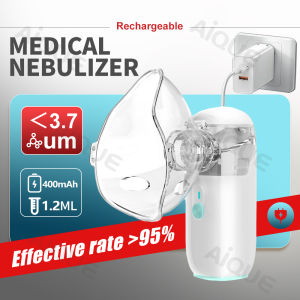
AiQUE Silent 3.7μm Mini Portable Nebulizer Shipping Free Medical Ultrasound Breathing Inhaler Runny Nose Mobile Steam Device
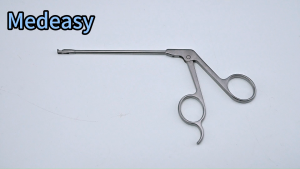
Arthroscopy Training Instruments Wire Cutter for Knee Shoulder Arthroscopic Simulator Trainer Box

Panyawan Plus Capsule Luyang Dilaw Mangosteen and Makabuhay 100 Caps Panyawan Plus Tablet Price - Lazada

Organic Ginger Capsules: Best Vegan Joint Support, Immune Booster, Non-GMO & Gluten-Free
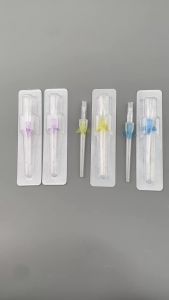
Butterfly IV Cannulas: A Comprehensive Guide
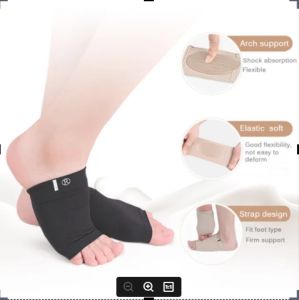
1 pair of arch support sleeves pads plantar fasciitis metatarsal compression support heel bone spur foot care flat feet pain relief sleeve socks for men and women
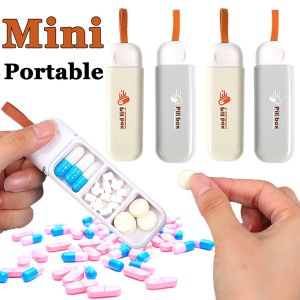
Mini Pill Boxes & Portable Medicine Chest: A Comprehensive Guide
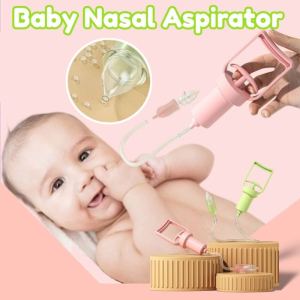
Baby Nasal Aspirator: Soft Silicone Portable Cleaner for Infants
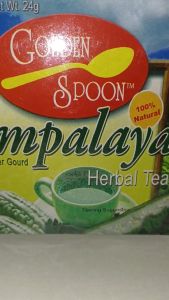
Golden Spoon Ampalaya Herbal Tea 24g Gold Coffee Spoon - Lazada

One Bottle Womens Multivitamin Capsules Traceless Blemish Supplementation