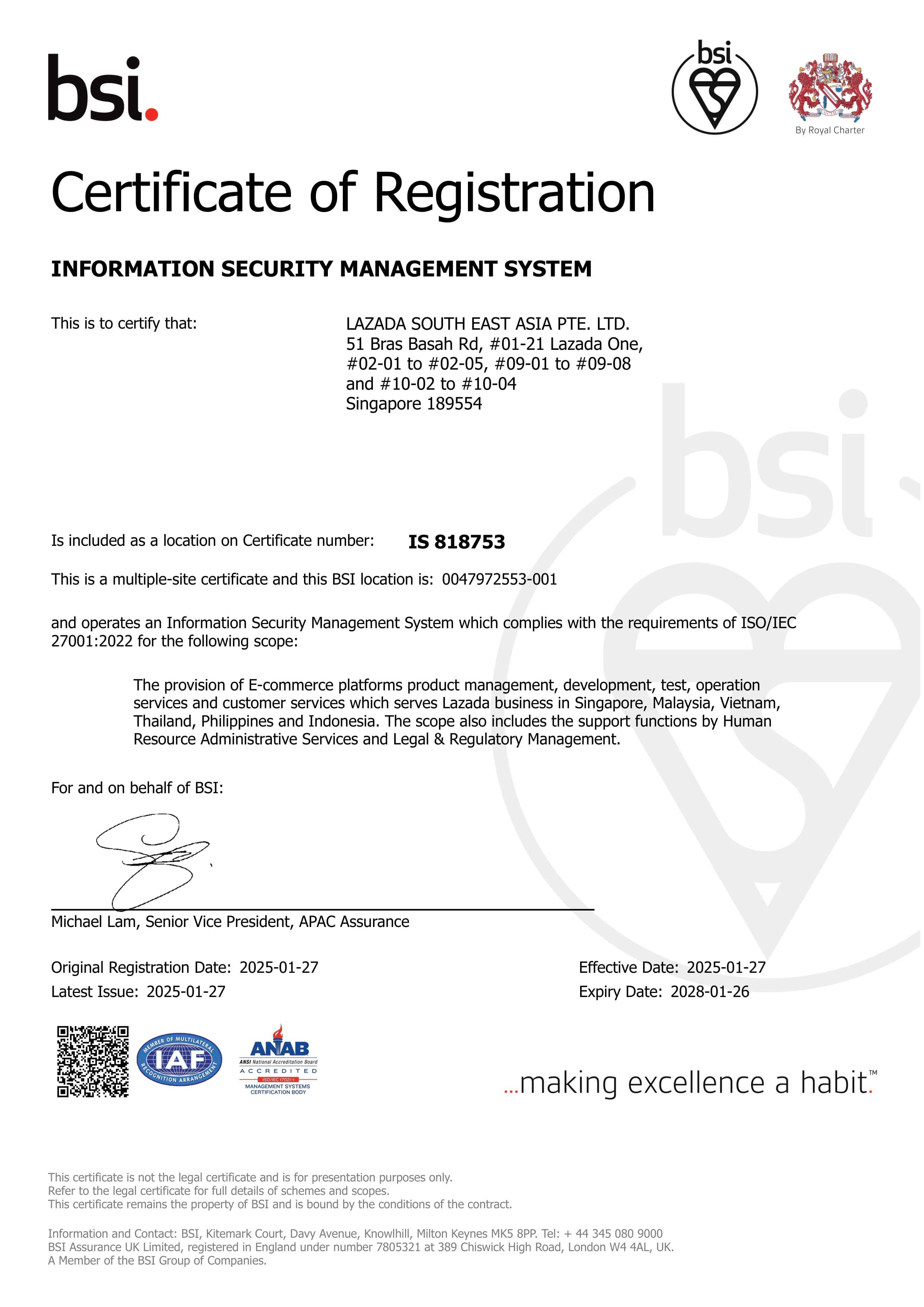



REAGENT BOTTLE AMBER NARROW MOUTH GLASS COVER
REAGENT BOTTLE AMBER NARROW MOUTH GLASS COVER
Choosing the right reagent bottle for chemical storage is crucial in laboratory settings. This article focuses on amber narrow mouth glass cover reagent bottles, providing a comprehensive guide on how to select, use, and maintain these essential laboratory glassware items.
Understanding Chemical Storage & Laboratory Glassware
Overview of Laboratory Glassware
Laboratory glassware encompasses various tools and equipment used for handling, storing, and measuring chemicals in research, development, and production processes. Among these, reagent bottles play a vital role in safely containing chemicals, ensuring their stability and preventing contamination.
Key Features of Covered Reagent Containers
Covered reagent containers, like amber narrow mouth glass bottles, offer several advantages:
- UV Protection: Amber glass effectively blocks ultraviolet (UV) light, preserving chemical stability.
- Chemical Resistance: Glass is inert and resistant to most chemicals, making it ideal for storing reactive substances.
- Secure Sealing: Narrow mouth designs ensure a tight seal, preventing leaks and spills.
Selecting the Right Reagent Bottle
Assessing Your Chemical Storage Needs
When choosing a reagent bottle, consider the specific requirements of the chemicals you will store:
- Compatibility: Ensure the bottle material is compatible with the stored chemical.
- Volume: Select a bottle size that accommodates the required volume.
- Labeling: Consider the ease of labeling and readability.
Evaluating Material Compatibility
Material compatibility is crucial for preventing chemical reactions or degradation. Consult material safety data sheets (MSDS) to determine the appropriate glass type for your specific application.
Considering Capacity & Shape
Capacity and shape play a significant role in choosing the right reagent bottle:
- Capacity: Choose a bottle size that suits your storage needs, considering factors such as chemical volume and frequency of use.
- Shape: Narrow mouth designs minimize exposure to air and contaminants, preserving chemical purity.
Proper Usage & Maintenance
Handling & Filling Procedures
Proper handling and filling procedures are essential for maintaining chemical integrity:
- Handling: Wear appropriate personal protective equipment (PPE) when handling reagent bottles.
- Filling: Fill bottles carefully, leaving adequate headspace to accommodate thermal expansion.
Cleaning & Disposal Guidelines
Regular cleaning and proper disposal are crucial for maintaining laboratory safety:
- Cleaning: Clean bottles thoroughly after each use, using appropriate cleaning agents and techniques.
- Disposal: Follow local regulations for chemical disposal, ensuring safe handling and minimizing environmental impact.
Storage Best Practices
Adhering to storage best practices helps maintain chemical stability and prevent contamination:
- Temperature Control: Store bottles in a cool, dry location away from heat sources.
- Shelf Stability: Store bottles upright, with labels facing outward for easy identification.
- Segregation: Keep incompatible chemicals separate to prevent reactions.
Advantages of Amber Narrow Mouth Glass Bottles
Amber narrow mouth glass bottles offer several advantages:
- UV Protection & Chemical Stability: The amber glass effectively blocks UV light, preserving chemical stability.
- Easy Handling & Secure Sealing: Narrow mouth designs minimize exposure to air and contaminants, ensuring secure sealing.
- Cost-Effective Long-Term Storage Solution: Amber narrow mouth glass bottles provide a cost-effective solution for long-term chemical storage, reducing the need for frequent replacements.
In conclusion, selecting the right reagent bottle is essential for ensuring safe chemical storage and handling in laboratory settings. By considering factors such as material compatibility, capacity, and shape, you can choose the appropriate bottle for your specific application. Proper usage, maintenance, and storage practices further contribute to maintaining chemical stability and preventing contamination.

Agap_laboratories2022
Review

You May Also Like
Acciaiie Super Bright Zoom LED Flashlight: A Comprehensive Guide

5level fitness elastic band yoga tension band multi-function pull-up resistance band arm training

GEARDRIVE Children Knee Pads With Thicker Sponge To Protect The For Dancing Skating Soccer Volleyball Breathable Skin Friendly
Adjustable Back Posture Shoulder Posture Corrector Invisibility Open Shoulder Sitting Posture Correction Belt Upper Neck Brace

OneTwoFit 12OZ Professional Boxing and Thai Training 12oz Adult Fighting Training Sanda Gloves
JULIA Waterproof Squid Jig Storage Box Storage Wallet Hook Protective Cover Hard Lure Bag Easy To Store 12 Grids Lure Storage Case Freshwater
AUTOCARE X Plastic Tennis Racket Wall Rack Wall Mounted Self-adhesive Badminton Rackets Holder Universal Punch-Free Pickleball Rackets Wall Hook Tennis/Badminton/Pickleball Racket
![[ToolOutlet]Energy-Efficient COB Camping Lantern with Long-Lasting Brightness for Outdoor Use](https://img.lazcdn.com/g/ff/kf/S12f8f3e27cf24bdeafbc43b1b10128ece.jpg_300x300q80.jpg)
[ToolOutlet]Energy-Efficient COB Camping Lantern with Long-Lasting Brightness for Outdoor Use
Snooker Repair Fasteners Aluminum Cue Tip Clamp Billiard Stick Clamp Repair Tool Billiard Cue End Fixer Enduring
【HOSPORT】Portable Yoga Mat Towel with Mesh Carrying Bag Soft Hot Yoga Towel Grip Dots Sweat Absorbent Pilates Mat for Home Office
SMILING SHARK SD5400 LED Flashlight Super Bright M60 5000LM 5Mode With Tail Camping Light Type-c Rechargeable Torch Light Waterproof Outdoor Camping Lighting