


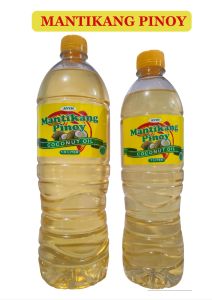
1 Liter 1.5 Liters PALM OIL COOKING OIL
1 Liter 1.5 Liters PALM OIL COOKING OIL
Introduction to High-Quality Cooking Oil
Palm oil is a versatile and widely used cooking oil, renowned for its high smoke point and neutral flavor. This comprehensive guide will help you understand the benefits of using palm oil for cooking, the factors to consider when choosing between 1-liter and 1.5-liter sizes, proper storage techniques, and more.
What is Palm Oil for Cooking?
Palm oil is extracted from the fruit of the oil palm tree (Elaeis guineensis), native to West Africa. It is a popular vegetable oil used in cooking due to its high smoke point, which makes it ideal for frying and sautéing. Palm oil is also known for its neutral flavor, which does not overpower the taste of food.
Advantages of Using Palm Oil for Frying
Palm oil is an excellent choice for frying because of its high smoke point, which prevents the oil from breaking down and producing harmful compounds. Additionally, its neutral flavor makes it a versatile ingredient for various dishes.
Choosing the Right Size: 1 Liter vs. 1.5 Liters
When selecting the ideal size of palm oil for your cooking needs, consider the following factors:
- Frequency of use: If you frequently cook with palm oil, a 1.5-liter bottle may be more practical.
- Storage space: If you have limited storage space, a 1-liter bottle might be more suitable.
- Cost-effectiveness: Larger bottles often offer better value for money.
Storage & Shelf Life of 1 Liter & 1.5 Liters Palm Oil
Proper storage is crucial to maintaining the quality and shelf life of your palm oil. Store it in a cool, dry place away from direct sunlight and heat sources. Both 1-liter and 1.5-liter bottles of palm oil have a similar shelf life of approximately 18 months when stored properly.
How to Use Palm Oil Cooking Oil
To maximize the lifespan of your palm oil, follow these tips:
- Store it in a cool, dry place away from direct sunlight and heat sources.
- Keep the bottle tightly sealed after each use.
- Do not mix old and new oil.
Proper Storage Techniques for Optimal Quality
To ensure the best quality and longevity of your palm oil, store it in a cool, dry place away from direct sunlight and heat sources. Keeping the bottle tightly sealed after each use will also help preserve its freshness.
Tips for Maximizing the Lifespan of Your Palm Oil
In addition to proper storage, avoid mixing old and new oil to prevent contamination and extend the shelf life of your palm oil.
Environmental Impact & Sustainability
Understanding the environmental benefits of palm oil is essential for making informed choices about its use. Sustainable palm oil sources are those that minimize deforestation, protect wildlife habitats, and promote fair labor practices.
Choosing Sustainable Palm Oil Sources
When purchasing palm oil, look for products certified by reputable organizations such as the Roundtable on Sustainable Palm Oil (RSPO). These certifications ensure that the palm oil was produced using sustainable methods that minimize environmental impact.
Conclusion: Making the Best Choice for Your Cooking Needs
By understanding the advantages of using palm oil for cooking, the factors to consider when choosing between 1-liter and 1.5-liter sizes, proper storage techniques, and the importance of choosing sustainable palm oil sources, you can make the best choice for your cooking needs.

AVINJ MEGA
You May Also Like
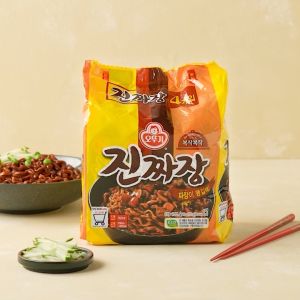
OTTOGI Jin Jjajang Ramen 135g
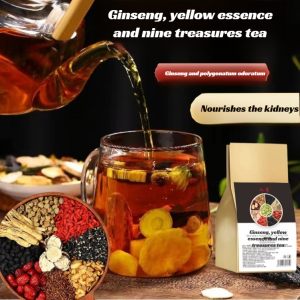
【Buy 2 Free 1】Ginseng Yellow Essence Nine Treasures Tea Chinese Tonic Tea Health Tea for Body Nutrition Ginseng and Polygonatum Nine Treasure Tea Selected Ingredients Safety Healthy
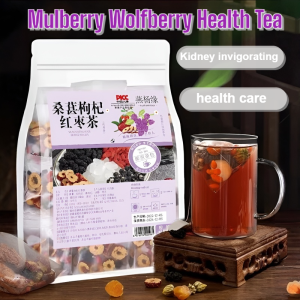
【Liver And Kidney Nourishing】Mulberry Wolfberry Health Tea Improving Sleeping Relieve Fatigue Liver Kidney Cleansing Tea
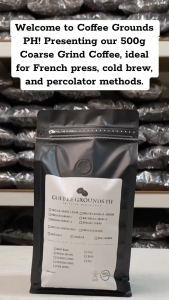
Coffee Grounds PH - Hazelnut 500g | Coarse Grind Coffee x Dark Roast Organic Coffee in Pouch For French Press Cold Brew
Seaweed nori chips 50g
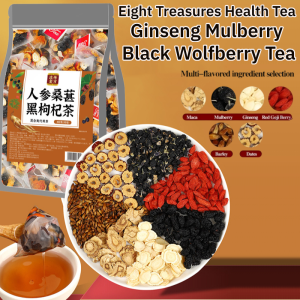
Ginseng 6 Treasures Tea Ginseng Mulberry Black Wolfberry Tea Tea For Staying Up Late Energy-Boosting Tea Healthy Tea

Nutella Hazelnut Spread With Cocoa 900g – Chocolate Hazelnut Spread Big Jar For Bread Baking Pancakes Snacks Dessert Sandwich – Made in Italy
Original Pamana Peanut Butter
Da Vinci Gourmet Neutral Frappease Powder 1.5kg
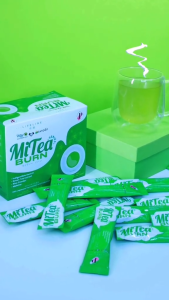
First Vita Plus MiTea Burn Green Tea with Matcha Dextrin Fiber
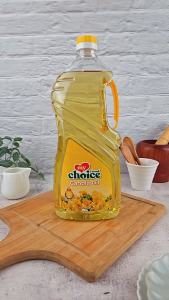
My Choice brand Canola Oil 1.8L - Bundle of 2