


Air Bubble Supply & Nano Air Stone: Enhancing Aquarium Oxygen Aeration
Air Bubble Supply & Nano Air Stone: Enhancing Aquarium Oxygen Aeration
Introduction to Air Bubble Supply & Nano Air Stone
Aquariums and ponds require proper oxygenation to maintain healthy aquatic life. One popular method of achieving this is through the use of air bubble supply and nano air stones. These devices work together to provide a steady stream of fine bubbles that enhance oxygenation, promoting water circulation and overall aquatic health.
Understanding the Benefits of Fine Bubbles
Fine bubbles have several advantages over larger bubbles. They increase the surface area available for gas exchange, which results in better oxygenation. Additionally, fine bubbles have a longer residence time in the water column, allowing more time for oxygen to dissolve into the water. This leads to improved water quality and healthier aquatic life.
How Air Stone Pumps Work
Air stone pumps work by drawing air from the surrounding environment and forcing it through a small tube connected to the air stone. As the air passes through the air stone, it is diffused into fine bubbles. These bubbles then rise through the water column, providing oxygenation and promoting water circulation.
Choosing the Right Air Stone Pump
Selecting the appropriate air stone pump is essential for optimal performance. Several factors should be considered when choosing an air stone pump, including size, power, and compatibility with your aquarium or pond.
Factors to Consider When Selecting an Air Stone Pump
-
Size: Ensure the air stone pump is suitable for your aquarium or pond size. A larger tank or pond may require a more powerful pump to maintain proper oxygenation.
-
Power: Consider the power output of the air stone pump. Higher power output results in finer bubbles and better oxygenation.
-
Compatibility: Check if the air stone pump is compatible with your aquarium or pond setup. Some pumps may require specific tubing or connectors.
Comparing Different Types of Air Stone Pumps
There are several types of air stone pumps available, including diaphragm pumps, piston pumps, and submersible pumps. Each type has its advantages and disadvantages. Diaphragm pumps are quieter and more energy-efficient, while piston pumps produce finer bubbles. Submersible pumps are ideal for ponds and large aquariums.
Setting Up Your Aquarium Oxygen Aerator
Proper setup is crucial for optimal performance of your air stone pump. Follow these steps to set up your aquarium oxygen aerator:
-
Connect the air stone pump to your aquarium using the provided tubing.
-
Place the air stone at the desired location within the aquarium.
-
Adjust the regulator to control the airflow and bubble size.
-
Monitor the water quality and adjust the settings as needed.
Connecting the Air Stone Pump to Your Aquarium
Connect the air stone pump to your aquarium using the provided tubing. Ensure the connection is secure and watertight to prevent leaks.
Adjusting the Regulator for Optimal Performance
Adjust the regulator to control the airflow and bubble size. Fine-tuning the regulator will help achieve optimal oxygenation and water circulation.
Maintaining Your Nano Air Stone Pump
Regular maintenance is essential to ensure the longevity and performance of your nano air stone pump. Follow these steps to maintain your pump:
-
Clean the air stone regularly to prevent clogging.
-
Check for leaks and replace any damaged tubing or connectors.
-
Monitor the water quality and adjust the settings as needed.
-
Troubleshoot common issues such as excessive noise or reduced airflow.
Cleaning and Reusing Your Air Stone Pump
Clean the air stone regularly to prevent clogging. Remove any debris or algae buildup using a soft brush or sponge. Rinse the air stone thoroughly with clean water before reinserting it into the aquarium.
Troubleshooting Common Issues
Common issues with air stone pumps include excessive noise, reduced airflow, and clogged air stones. Troubleshoot these issues by checking for leaks, replacing damaged tubing or connectors, and cleaning the air stone.
Applications Beyond Aquariums
Air stone pumps have applications beyond aquariums. They can be used in other water environments, such as swimming pools, oceans, lakes, and hydroponic systems.
Using Air Stone Pumps in Other Water Environments
Air stone pumps can be used to enhance oxygenation and promote water circulation in various water environments. They are particularly useful in large bodies of water, such as lakes and oceans, where natural oxygenation may be insufficient.
Exploring Hydroponic and Pond Pump Uses
Air stone pumps can also be used in hydroponic systems and ponds. In hydroponic systems, they provide oxygenation to the nutrient solution, promoting plant growth. In ponds, they enhance oxygenation and promote water circulation, supporting aquatic life.

Fishing&Aquarium
You May Also Like
Automatic Water Dispenser and Pet Feeder Transparent Water Fountain Large Capacity Pet Water Bottle

Parrot Nail Grinding Stick Bird Cage Toy Parrot Tooth Grinding Stick Stand Bar Sandblasted Stand Bar Pet Bird Supplies
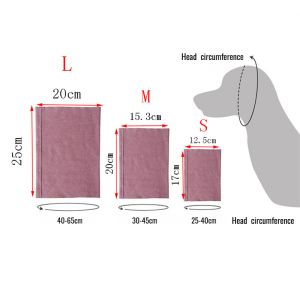
Pet Grooming Earmuffs Warm AntiNoise Head Covers Head Covers for Pets for Soothing
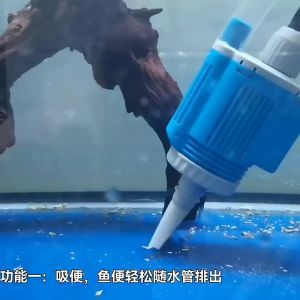
LUGG【COD】28W 1.2M Electric Aquarium Water Change Pump vacuum Cleaning Tools Water Changer Gravel Cleaner Siphon for Fish Tank Water Filter Pump set Aquarium Clean Vacuum Water Change Changer

Pet Supplies for Xmas Party: Cute Cat and Dog Accessories

Plush Broccoli Dog Toy Squeaky Chew Toy for Large Dogs & Corgis Boredom Relief Companion Toy Pet Molar Teething Supplies

Thickened Disposable Dog And Cat Urine Pad Rabbit Potty Training Pad Absorbent Odor Eliminator Pet Toilet Training Mat

Integrated Fan Cat Climbing Frame Small Home Use Cat Running Column Finished Product Non-Occupying Space Cat Scratching Post

Love Pure Pet Dog Chicken Blueberry Flavored Toothbrush Toothpaste Dental Chew Bones Oral Cleaning Snacks for Puppies

Cat Gloves for Grooming Anti-static Gloves for Pets Gentle Pet Gloves Grooming for Dogs and Cats Double-Sided Grooming Gloves
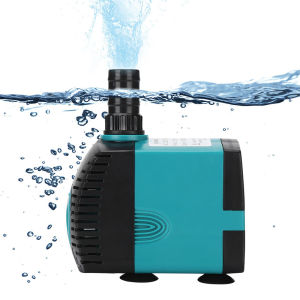
Multifunctional Submersible Aquarium Water Pumps: A Comprehensive Guide