



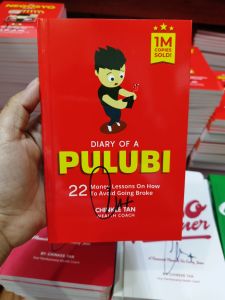
Diary of a Pulubi: Chinkee Tan's Money Lessons & How to Avoid Going Broke
Diary of a Pulubi: Chinkee Tan's Money Lessons & How to Avoid Going Broke
Introduction to Chinkee Tan & Diary of a Pulubi
Chinkee Tan is a renowned Wealth and Life Coach, known for her self-help books and seminars. Her book, Diary of a Pulubi, is a personal finance guide that teaches readers how to avoid going broke and achieve financial stability. In this article, we will explore the key money lessons from Diary of a Pulubi and provide practical advice for implementing these lessons in your daily life.
Key Money Lessons from Diary of a Pulubi
Understanding Personal Finance
Chinkee Tan emphasizes the importance of understanding personal finance in order to avoid going broke. This includes understanding your income, expenses, debts, and investments. By having a clear picture of your financial situation, you can make informed decisions about how to manage your money effectively.
Budgeting Strategies
Budgeting is a crucial aspect of managing your finances. In Diary of a Pulubi, Chinkee Tan provides several budgeting strategies, including:
- Creating a zero-based budget: This involves allocating every dollar of your income towards specific expenses, savings, and investments.
- Prioritizing essential expenses: Focus on covering your basic needs first, such as housing, food, and transportation.
- Tracking your spending: Keep track of your expenses to identify areas where you can cut back and save more money.
Debt Management
Debt can be a major obstacle to achieving financial stability. In Diary of a Pulubi, Chinkee Tan offers advice on managing debt, including:
- Prioritizing high-interest debts: Pay off debts with higher interest rates first to minimize the amount of interest you pay over time.
- Negotiating with creditors: Reach out to your creditors to negotiate lower interest rates or payment plans that work better for your financial situation.
- Avoiding new debt: Refrain from taking on new debt while working to pay off existing debts.
Practical Advice for Avoiding Broke
Creating a Financial Plan
A financial plan is essential for achieving financial stability. In Diary of a Pulubi, Chinkee Tan recommends creating a comprehensive financial plan that includes:
- Setting financial goals: Define what you want to achieve financially, such as saving for retirement, buying a home, or paying off debt.
- Assessing your current financial situation: Evaluate your income, expenses, debts, and investments to determine where you stand financially.
- Developing a plan of action: Create a step-by-step plan to achieve your financial goals, including specific actions you can take to improve your financial situation.
Saving & Investing Wisely
Saving and investing wisely is crucial for building wealth over time. In Diary of a Pulubi, Chinkee Tan provides advice on saving and investing, including:
- Building an emergency fund: Save at least three to six months' worth of living expenses in an easily accessible savings account.
- Investing in diversified assets: Invest in a mix of stocks, bonds, and other assets to minimize risk and maximize returns.
- Avoiding high fees: Choose low-cost investment options to keep more of your money working for you.
Developing Good Financial Habits
Developing good financial habits is essential for avoiding going broke and achieving financial stability. In Diary of a Pulubi, Chinkee Tan recommends developing habits such as:
- Living below your means: Spend less than you earn to build savings and avoid debt.
- Prioritizing essential expenses: Focus on covering your basic needs first, such as housing, food, and transportation.
- Tracking your spending: Keep track of your expenses to identify areas where you can cut back and save more money.
Implementing Money Lessons in Daily Life
Setting Financial Goals
Setting financial goals is essential for achieving financial stability. In Diary of a Pulubi, Chinkee Tan recommends setting specific, measurable, achievable, relevant, and time-bound (SMART) financial goals, such as:
- Saving $10,000 for an emergency fund within one year.
- Paying off $5,000 in credit card debt within six months.
- Saving $50,000 for a down payment on a home within five years.
Monitoring Progress
Monitoring your progress towards your financial goals is essential for staying on track. In Diary of a Pulubi, Chinkee Tan recommends regularly reviewing your financial plan and making adjustments as needed. This may include:
- Adjusting your budget to reflect changes in your income or expenses.
- Reassessing your financial goals if they become unattainable or no longer align with your priorities.
- Celebrating your successes along the way to stay motivated.
Staying Motivated
Staying motivated is crucial for achieving financial stability. In Diary of a Pulubi, Chinkee Tan provides advice on staying motivated, including:
- Focusing on your long-term financial goals.
- Surrounding yourself with supportive friends and family members.
- Celebrating small victories along the way to stay motivated.
Conclusion & Final Thoughts
In conclusion, Diary of a Pulubi by Chinkee Tan provides valuable money lessons and practical advice for avoiding going broke and achieving financial stability. By understanding personal finance, budgeting effectively, managing debt, creating a financial plan, saving and investing wisely, developing good financial habits, setting financial goals, monitoring progress, and staying motivated, you can achieve financial stability and build wealth over time.

AandJ Online Shop
You May Also Like

Homemory 150w Beam Light Moving Head with Laser 2 in 1 RGB 6 Arm Disco Lights Controlled by DMX or Sound

The Wonders of Bian Que: A Legacy in Traditional Chinese Medicine

Upgrade Your Party with Big Dipper Party Lights & Disco RGB Stage Light

9 Colors 27W Crystal Magic Ball Led Stage Lamp Disco Laser Light By Sound Remote DMX512 Control Laser Party Lights

wangzhansi Circle Of Fifths Wheel Guitar Chord Wheel Wooden Melody Tool Musical Instruments And Accessories Chord Wheel For Musicians

Qimi Professional Accordion for Beginners 32 Keys 41 Keys Suitable for Primary School Students Specialized in Performance

500MW RGB Laser Beam Line Scanner Projector DJ Disco Stage Lighting Effect Dance Party Wedding Holiday KTV Bar Club DMX Lights
LOVENI 10in1 Learning Package: Interactive Tools & Comprehensive Resources

MK PROFESSIONAL DTH-3000 DRUM THRONE HYDRAULIC SUPER HEAVY DUTY

Womens Retro Shoulder Bag Luxury Casual Tote Underarm Crossbody Bag for Mom All-Match Design

Clear 3 Tiers Detachable Modulars Keycap Case Interlocking Design NonSlip Base For Gamers