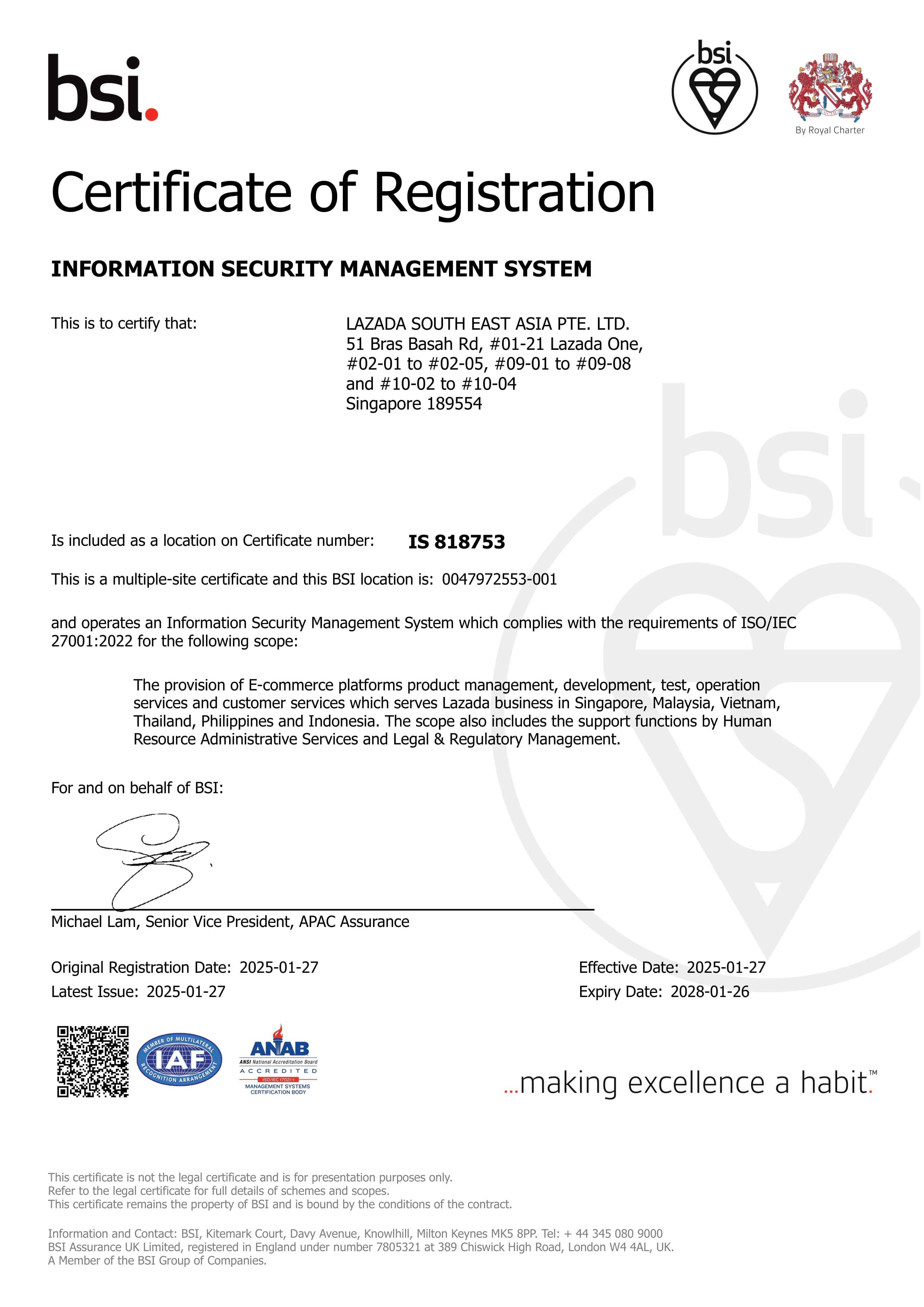


DIY Project Starter Kit For Arduino UNO R3 Kit Electronic DIY Kit Electronic Component Set With Box 830 Tie-points Breadboard

DIY Project Starter Kit For Arduino UNO R3 Kit Electronic DIY Kit Electronic Component Set With Box 830 Tie-points Breadboard
readFileBrokerError:file_is_deleted, msg:file is already deleted in filebroker,fileName=S2c81681a446a4ed0b62e3b8c7420457as.txt

WeLucky Shop
Seller ratings 97%
You May Also Like
00:10
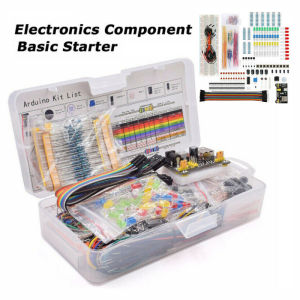
INTEL CORE I3 10105 I 3.7GHZ LGA1200 I 6MB CACHE I 4CORES 8THREADS
00:58
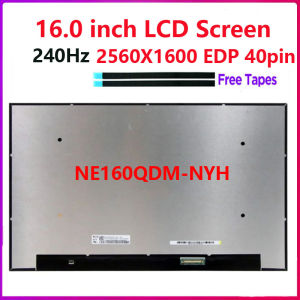
16.0"inch Laptop LCD Screen NE160QDM-NYH NE160QDM NYH 240Hz 2560X1600 WQXGA eDP 40 Pins Replacement Display Panel
00:12
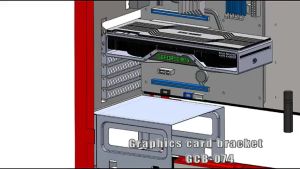
Aluminum Alloy Graphics Card Holder 28-120mm Adjustable GPU Stand Bracket With Magnetic Base
00:09
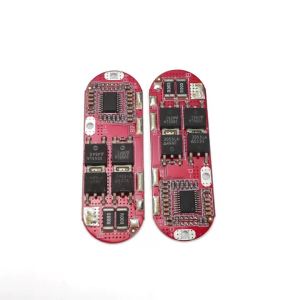
1S 2S 10A 3S 4S 5S 25A BMS 18650 Li-ion Lipo Battery Pack Protection Circuit Board PCMCharger Overcurrent Temperature Protection

00:29
Titan Army P2418C 23.8 IPS Flat 144Hz Gaming Office Monitor FHD 1920X1080 99%sRGB HDR400 Adaptive-Sync Hardware Low Blue Light
00:16
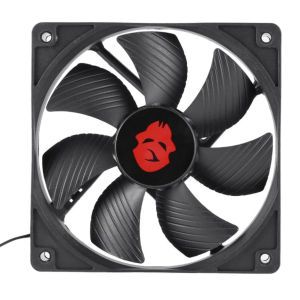
12cm Big 4 Pin High Speed Desktop Chassis Fan 12V Computer Case Radiator Cooler Classic PC Desktop Laptop Accessaries Supplies
00:30
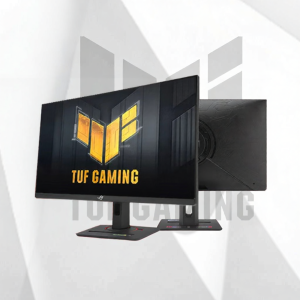
ASUS | 27-Inch 2K 180Hz Computer Monitor
00:37
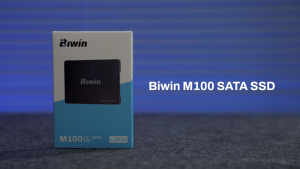
BIWIN M100 SATA SSD 256GB 2.5" Internal SSD Up to 560MB/s Internal Solid State Drives 2.5 Inches SSD SATA III 6Gb/s Laptop and PC Compatible Office Work School

00:59
NEW PRODUCT! ACER 14 CB3-431-C0AK LAPTOP I 3 MONTHS WARRANTY I REFURBISHED laptop
00:10
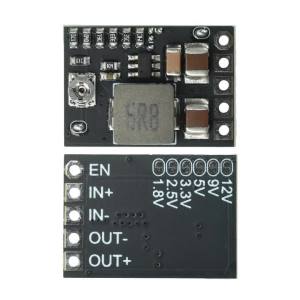
diymore | DC-DC 4.5V-20V To 1-16V/1.8/2.5/3.3/5/9/12V Mini Voltage Adjustable DC Buck Converter Power Module 2A 10W With Enable
00:32
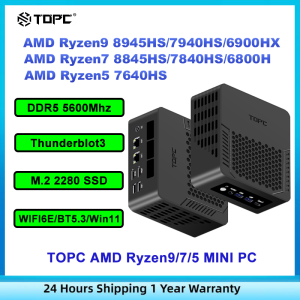
TOPC AMD Ryzen9 8945HS/7940HS/6900HX/R7-8845HS/R7-7840HS/6800H/ R5-7640HS Extra GPU DDR5 5600Mhz Thunderbolt3.0 WIFI6 BT5.2 WINDOWS11 Gaming MINI PC

00:42
REFURBISHED system unit hp core i3 2nd/3rdgen/8gb ddr3/500gb/casingpsu
Hot Search
ARTEES FOOD ART SUBLIMATION T-SHIRT UNISEXanytek dashcamcasio fx 991wcomet 3 cutting torch fitingsMONSTER MOTORCYCLE THROTTLE CLAMP HANDLE CLIPradiator fan for avanza 1.512v 18w led poolwater pump heavy duty 0.75hpmazda bt 50 fenderuratex gentle bounce pillow buy 1 take 1huawei micropump liquid cooling caserear sprocket for sniper 135kids bike 16 inchcamel air circulator ccf 6yellow bridesmaid dress