


100 Patola Seeds for Planting: A Comprehensive Guide
100 Patola Seeds for Planting: A Comprehensive Guide
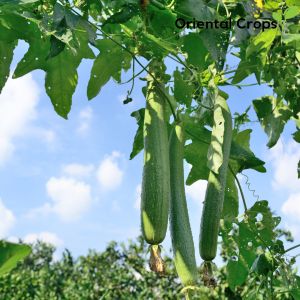
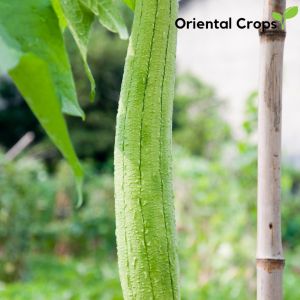
Patola, also known as luffa or sponge gourd, is a popular vegetable in many parts of the world, particularly in Southeast Asia. In this guide, we will provide you with a comprehensive understanding of patola seeds, their benefits, and how to plant them successfully. We will also cover essential factors to consider when buying patola seeds, step-by-step planting techniques, and tips for harvesting and storing the seeds.
Understanding Patola Seeds & Their Benefits
The Importance of Patola Seeds in Gardening
Patola seeds are a valuable addition to any vegetable garden, offering numerous benefits. These include their ability to grow quickly, adapt to various climates, and produce a bountiful harvest. Patola plants are also relatively low-maintenance, making them an excellent choice for both novice and experienced gardeners.
Key Benefits of Planting Patola Seeds
Planting patola seeds can bring several advantages to your garden:
- Versatility: Patola plants can be grown in various climates and soil types.
- Nutritional value: Patola fruits are rich in vitamins, minerals, and dietary fiber.
- Medicinal properties: Patola has been used in traditional medicine to treat various ailments.
- Economic benefits: Patola plants can provide a valuable source of income through selling the fruits or seeds.
Common Uses of Patola Seeds
Patola seeds can be used for various purposes, including:
- Food: Patola fruits can be cooked and eaten as a vegetable.
- Medicine: Patola has been used in traditional medicine to treat various ailments.
- Cosmetics: Patola fibers can be used in the production of natural sponges and exfoliating scrubs.
How to Choose the Best Patola Seeds for Planting
Identifying High-Quality Patola Seeds
When selecting patola seeds for planting, look for the following characteristics:
- Size: Choose large, plump seeds that are free from cracks or blemishes.
- Color: Opt for seeds with a uniform color, typically dark brown or black.
- Shape: Select seeds with a consistent shape, avoiding those with irregularities.
Essential Factors to Consider When Buying Patola Seeds
To ensure successful planting, consider the following factors:
- Seed source: Purchase seeds from reputable suppliers or local farmers.
- Seed variety: Choose a variety suitable for your climate and soil conditions.
- Certification: Look for certified organic or non-GMO seeds if desired.
Where to Buy Patola Seeds for Planting
Patola seeds can be purchased from various sources, including:
- Local nurseries: Visit your nearest nursery to find patola seeds.
- Online retailers: Purchase patola seeds from reputable online stores.
- Seed exchanges: Join seed exchange groups to trade patola seeds with other gardeners.
Step-by-Step Guide to Planting Patola Seeds
Preparing the Soil for Patola Seeds
Before planting patola seeds, prepare the soil by following these steps:
- Choose a sunny location: Patola plants require at least six hours of direct sunlight per day.
- Test the soil: Ensure the soil has a pH level between 6.0 and 7.0.
- Improve drainage: Add organic matter to improve soil drainage and fertility.
Planting Patola Seeds: Techniques & Tips
To plant patola seeds successfully, follow these steps:
- Soak the seeds: Soak patola seeds in water for 24 hours before planting.
- Plant the seeds: Sow the seeds about 1 inch deep and 2 feet apart.
- Water regularly: Keep the soil moist but not waterlogged.
Caring for Patola Plants After Planting
After planting patola seeds, provide proper care by:
- Watering: Water the plants regularly, especially during dry spells.
- Fertilizing: Apply a balanced fertilizer every two weeks.
- Supporting: Provide support for the plants using stakes or trellises.
Harvesting & Storing Patola Seeds
When & How to Harvest Patola Seeds
Patola seeds can be harvested when the fruits have fully matured and dried out. To harvest the seeds:
- Cut open the fruit and remove the seeds.
- Rinse the seeds under running water to remove any pulp.
- Spread the seeds on a clean surface to dry.
Proper Storage Techniques for Patola Seeds
To ensure the longevity of patola seeds, store them properly by:
- Drying: Allow the seeds to dry completely before storing.
- Labeling: Label the storage container with the seed variety and date.
- Cool, dark location: Store the seeds in a cool, dark location away from direct sunlight.
Long-Term Storage Tips for Patola Seeds
For long-term storage, consider the following tips:
- Moisture-proof container: Store the seeds in a moisture-proof container.
- Desiccant: Add a desiccant packet to absorb excess moisture.
- Check regularly: Inspect the seeds periodically for signs of mold or spoilage.
By following this comprehensive guide, you can successfully plant and care for patola seeds, ensuring a bountiful harvest and a valuable addition to your garden.

Oriental Crops
Review

You May Also Like
Two-Stroke & Four-Stroke Lawn Mower Pumps: A Comprehensive Guide
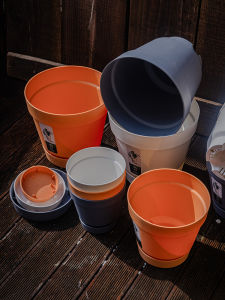
Thick Plastic Flower Pot Durable Resin Planter Large Size Simple Nordic Style Root Control Gallon Pot for Green Ivy And Snake Plant
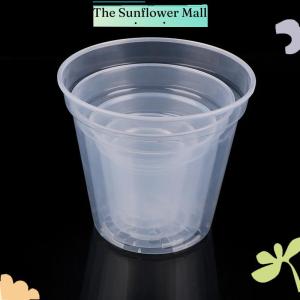
Sunflower Round Planter Pot Orchid Nursery Container Planter Container Transparent Orchid Container Round Starting Pots

Canaan Organic All-Purpose Liquid Fertilizer: Enhancing Plant Growth & Health
KETHE Electric Mosquito Killer Racket: A Comprehensive Guide
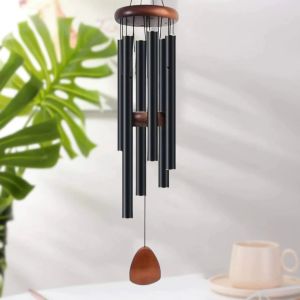
Retro aluminum tube wind chime metal home decoration pendant outdoor condolence bell
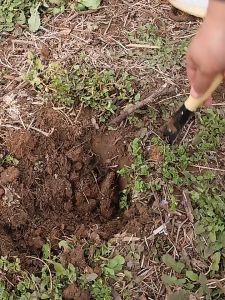
Top Picks for Garden Planting Accessories: Digging Wild Vegetables Shovels & Garlic Planting Tools
![[Buytra] Reusable Non-stick BBQ Grill Mat Barbecue Baking Liners Kitchen Tool](https://img.lazcdn.com/g/p/20f06aa7f1c3443e3da5884241535d63.jpg_300x300q80.jpg)
[Buytra] Reusable Non-stick BBQ Grill Mat Barbecue Baking Liners Kitchen Tool
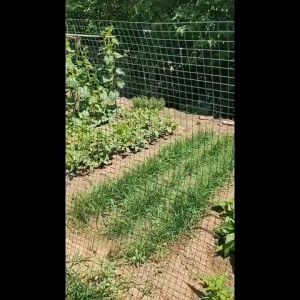
【COD】30Meter Length thick coating wire fence1.2 Meter 1.5 Meter Height Wire Fence Mesh Fence
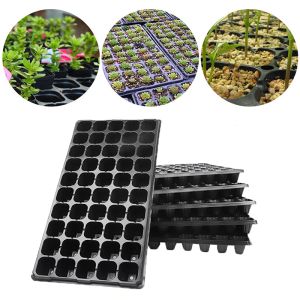
Seedling Tray 32/50/72/105/128 Holes Strength Seed Germination Plant Flower Pot Garden Starter Trays
【Global Motos Part 】 Alloy Recoil Starter Pawl For Husqvarna 128C 128CD 128L 128LD 323R 326RX 327RJX String Trimmer Brush Cutter Models Replace Part Number 503873305 【New Arrival High Quality Goods 】