


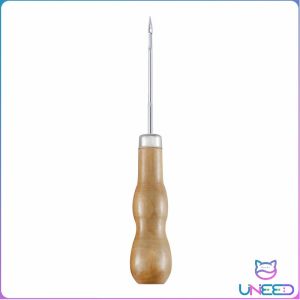
Need Wooden Handle Awl Sewing Stitching Tool Shoes Repair Crochet Hook Threader Stitch Needle for Scribing Punching Aligning
Need Wooden Handle Awl Sewing Stitching Tool Shoes Repair Crochet Hook Threader Stitch Needle for Scribing Punching Aligning
What is a Wooden Handle Awl?
A wooden handle awl is a hand tool with a sharp metal point attached to a wooden handle. It is used for various purposes, such as making holes in leather, fabric, or wood, as well as aligning stitches in sewing and stitching projects.
Understanding Its Purpose & Benefits
The primary purpose of a wooden handle awl is to create precise holes or guide stitches accurately. The benefits of using a wooden handle awl include:
- Improved grip and control due to the ergonomic design of the wooden handle.
- Reduced risk of injury, as the wooden handle provides a safer alternative to metal handles.
- Increased precision and accuracy in creating holes or guiding stitches.
How to Choose the Right Awl
When selecting a wooden handle awl, consider the following factors:
- Size and weight: Choose an awl that fits comfortably in your hand and is easy to maneuver.
- Material: Opt for an awl with a durable metal point and a sturdy wooden handle.
- Purpose: Select an awl that is designed for the specific task you plan to perform.
Top Brands & Models
Some popular brands and models of wooden handle awls include:
- Fiskars Wood Handle Awl
- Leatherman Wave Plus Multi-tool (includes an awl)
- Leathercrafters Supply Company Wood Handle Awl
Sewing Stitching Tool: An Overview
A sewing stitching tool is a hand tool used for creating stitches in various materials, such as fabric, leather, and wood. These tools come in various shapes and sizes, depending on the specific application.
How to Use Sewing Stitching Tools
To use a sewing stitching tool effectively, follow these steps:
- Choose the appropriate tool for the material you are working with.
- Hold the tool securely in your dominant hand.
- Position the needle or awl at the desired location.
- Insert the needle or awl through the material.
- Pull the thread through the material, creating a stitch.
Common Applications & Techniques
Sewing stitching tools are commonly used for:
- Hand-sewing fabric or leather projects.
- Creating decorative stitches on clothing or accessories.
- Repairing damaged materials.
Tips for Maintaining & Storing
To ensure the longevity of your sewing stitching tools, follow these maintenance tips:
- Clean the tools after each use to remove any dirt or debris.
- Store the tools in a dry, cool place to prevent rust or corrosion.
- Replace any worn or damaged parts promptly.
Shoes Repair Tool: Key Features & Functions
A shoes repair tool is a hand tool used for repairing damaged footwear. These tools typically include components such as needles, awls, and threaders.
How to Use Shoes Repair Tools
To repair shoes effectively, follow these steps:
- Identify the area of damage on the shoe.
- Choose the appropriate tool for the repair.
- Follow the manufacturer's instructions for using the tool.
- Test the repaired area to ensure it is secure and functional.
Troubleshooting Common Issues
Common issues that may arise during shoe repair include:
- Inadequate adhesion of patches or glue.
- Misalignment of stitches or seams.
- Improper tension on threads.
Essential Accessories & Add-ons
To enhance your shoe repair experience, consider investing in the following accessories:
- Replacement needles and awls.
- Adhesive patches and glue.
- Threaders and bobbin winders.
Crochet Hook Threader: A Comprehensive Guide
A crochet hook threader is a small tool used for threading yarn onto a crochet hook. These tools come in various sizes and designs, depending on the thickness of the yarn and the size of the crochet hook.
How to Use Crochet Hook Threader
To use a crochet hook threader effectively, follow these steps:
- Choose the appropriate threader for the thickness of your yarn.
- Insert the threader through the eye of the crochet hook.
- Thread the yarn onto the threader.
- Pull the threader through the eye of the crochet hook, bringing the yarn with it.
Best Practices & Techniques
To get the most out of your crochet hook threader, follow these tips:
- Keep the threader clean and free of debris.
- Store the threader in a safe place to prevent loss or damage.
- Practice using the threader regularly to improve your speed and accuracy.
Common Mistakes & Solutions
Common mistakes when using a crochet hook threader include:
- Using a threader that is too large or too small for the yarn and crochet hook.
- Failing to insert the threader properly into the eye of the crochet hook.
- Not threading the yarn correctly onto the threader.
Stitch Needle for Scribing: An In-depth Look
A stitch needle for scribing is a specialized needle used for creating precise stitches in various materials, such as leather, fabric, and wood. These needles come in various sizes and shapes, depending on the specific application.
How to Use Stitch Needles
To use a stitch needle for scribing effectively, follow these steps:
- Choose the appropriate needle for the material you are working with.
- Hold the needle securely in your dominant hand.
- Position the needle at the desired location.
- Insert the needle through the material, creating a stitch.
Applications & Techniques
Stitch needles for scribing are commonly used for:
- Creating decorative stitches on clothing or accessories.
- Repairing damaged materials.
- Scribing precise lines or patterns.
Maintaining & Storing Stitch Needles
To ensure the longevity of your stitch needles, follow these maintenance tips:
- Clean the needles after each use to remove any dirt or debris.
- Store the needles in a dry, cool place to prevent rust or corrosion.
- Replace any worn or damaged needles promptly.

UNeedShop
Review

You May Also Like
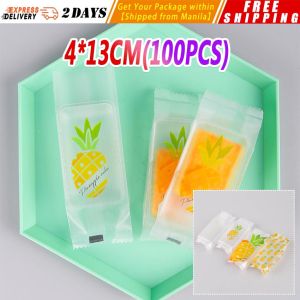
【100pcs 4*13CM】Pineapple Crisp Packaging Bag Food Baking Machine Sealing Bag Moon Cake Biscuit Candy Packaging Bag Christmas Decoration Pineapple-Cake-Pouch
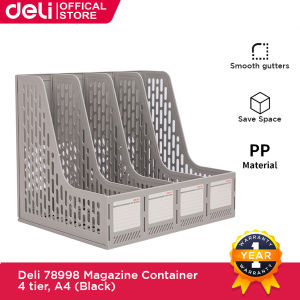
Deli A4 Magazine Container Storage Box 4 Tier 78998
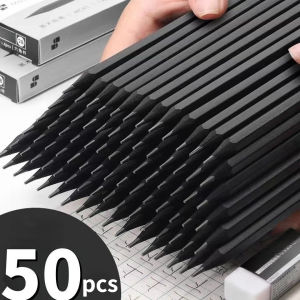
10/30/50pcs/set 2B HB Wooden Lead Pencils Black Wood Graphite Pencil Set Wood-Cased Pencils for Office School Writing Supplies
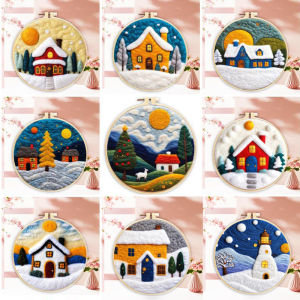
Handmade Wool Felt Painting Deer Forest Snow Scene Yarn Art Birthday Gift for Girls DIY Material Kit Home Sewing Crafts
Fruit Shop Sticky Notes Cute Fruit Theme Memo Paper Notebook Material Removable Reminder Post-Its Multi-Purpose Stationery
Whiteboard Wall Sticker With tools 45cm/60cm*200cm Electrostatic Reusable Easy Clean Kids
Chinese Style Large Button & National Style Pearl Coat: A Guide to DIY Home Fabric Accessories

50pcs Sticker Alien Planet Astronaut Cartoon Decal Decorative Stationery Scrapbooking Stickers Kid Toy

540pcs Star Origami Paper Strips DIY Hand Crafts Colorful Lucky Fold Star for Wedding Birthday Gift
Silicone Crafting Molds Resin Bear and Rabbit Keychain Charm Moulds Silicone Texture Hanging Pendant Moulds for Pendant
Sealer Machine Metal Bag Neck Sealer Tape Dispenser Supermarket Store Bag Packaging Poly Bag