


Baby Walker Toddler Walking Assistant: A Guide to Push Walkers for Babies Learning to Walk
Baby Walker Toddler Walking Assistant: A Guide to Push Walkers for Babies Learning to Walk
Baby walkers, also known as push walkers, have been widely used by parents to help their little ones learn to walk. This guide will provide you with a comprehensive understanding of baby walkers, including their types, benefits, and how to choose the right one for your child. Additionally, we will discuss the safe and effective use of baby walkers to ensure your toddler has a positive experience while learning to walk.
What Are Baby Walkers?
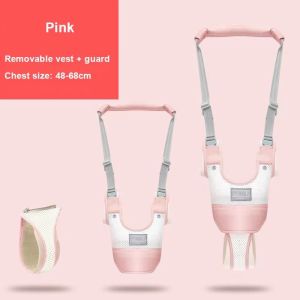
A baby walker, or push walker, is a walking aid designed to assist infants and toddlers in learning to walk. These devices typically consist of a seat or frame attached to wheels, allowing babies to move around while supporting themselves. Baby walkers come in various types, including stationary, wheeled, and activity center models.
Types of Baby Walkers
Baby walkers can be categorized into three main types:
-
Stationary Baby Walkers: These walkers do not have wheels and are designed to stay in one place. They usually feature a bar or handle for babies to hold onto while practicing standing and walking.
-
Wheeled Baby Walkers: These walkers have wheels attached to the frame, allowing babies to move around while supported. They often include safety features such as brakes or locks to prevent accidents.
-
Activity Center Walkers: These walkers combine the functionality of a baby walker with an activity center, providing babies with various toys and interactive elements to engage with while learning to walk.
Benefits of Baby Walkers
Baby walkers offer several benefits for infants and toddlers learning to walk:
-
Encourages Independent Movement: By using a baby walker, children can practice standing and walking independently, helping them develop their motor skills and confidence.
-
Promotes Muscle Development: Walking with the support of a baby walker helps strengthen leg muscles, which is essential for proper physical development.
-
Enhances Cognitive Skills: Many baby walkers feature interactive toys and activities that stimulate cognitive development, helping babies learn about cause and effect, problem-solving, and more.
Choosing the Right Baby Walker
When selecting a baby walker, consider the following factors to ensure you choose the right one for your child:
Key Features to Consider
-
Adjustability: Look for a baby walker that can adjust to accommodate your child's growth and changing needs.
-
Safety Features: Ensure the baby walker has safety features such as brakes, locks, and secure straps to prevent accidents.
-
Durability: Choose a baby walker made from high-quality materials that can withstand regular use and potential rough handling.
-
Ease of Cleaning: Opt for a baby walker that is easy to clean and maintain, as this will help keep the device hygienic and free from germs.
Age Range & Safety Standards
Baby walkers are generally suitable for children aged 6 to 36 months. Always check the manufacturer's age recommendations before purchasing a baby walker. Additionally, ensure the baby walker meets safety standards set by organizations such as the American Society for Testing and Materials (ASTM) and the Consumer Product Safety Commission (CPSC).
How to Use a Baby Walker
Using a baby walker safely and effectively requires proper setup and supervision. Follow these steps to get started:
Setting Up Your Baby Walker
- Assemble the baby walker according to the manufacturer's instructions.
- Adjust the height of the walker to fit your child comfortably.
- Secure any straps or fasteners to ensure your child is safely supported.
Teaching Your Toddler to Walk with a Baby Walker
- Encourage your child to stand and hold onto the walker's handles or bars.
- Guide your child as they begin to move forward, providing support and reassurance.
- Gradually increase the distance your child walks using the baby walker.
Tips for Safe & Effective Use
To ensure your toddler has a positive experience while learning to walk with a baby walker, follow these tips:
Supervision & Monitoring
- Always supervise your child while they are using a baby walker.
- Monitor your child's progress and adjust the baby walker as needed.
- Keep the baby walker away from stairs, sharp objects, and other potential hazards.
Cleaning & Maintenance
- Regularly clean the baby walker according to the manufacturer's instructions.
- Inspect the baby walker for any signs of wear or damage before each use.
- Store the baby walker in a safe, dry location when not in use.
Conclusion
Baby walkers are a valuable tool for helping infants and toddlers learn to walk. By choosing the right baby walker and using it safely and effectively, parents can support their child's physical and cognitive development while providing a fun and engaging learning experience. Remember to always supervise your child while they are using a baby walker and follow the manufacturer's guidelines for safe and effective use.

Mamobabe Store
Review
You May Also Like

400ml 2-In-1 Papaya Baby Shampoo Deep Moisturizing Gentle And Non-Irritating Protect Babys Hair Health Highly Effective Cleansing Shower Gel Reduce Bacteria Protect Babys Skin 0 Added Ingredients Refreshing Non-Greasy And Easy To Clean
High Chair Baby Straps Adjustable 5 Point Harness Baby Safety Strap Belt for Stroller Pushchair, Pram Buggy Safe Protection

Portable Neutral Stallion Baby Bed Cotton Baby Nest with Baby Pillow Removable Newborn until 12 months
Elixia Nursing Cover Set

Bebeta Pop up straw training cup
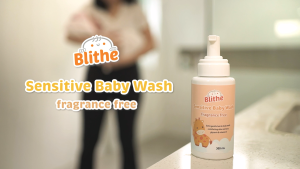
Blithe Newborn Sensitive Skin Baby Body Wash: 300ml Fragrance Free Eczema Prone Irritated Skin Foaming Soap
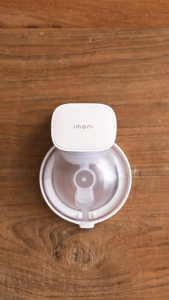
IMANI i2 PRO Double Wearable Breast Pump with Dock
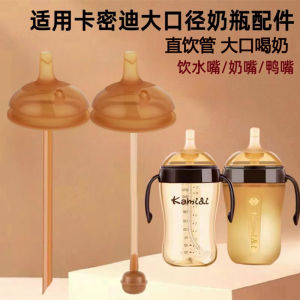
Direct Drink Straw Sippy Cup Adapter & Large Diameter Duckbill Nipple: A Complete Guide
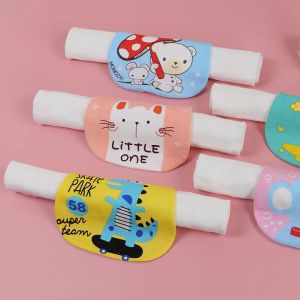
5PCS Baby Back Towel Cotton Sweat Absorber with Cartoon Design 4 Layers for Children Toddler Kids different patterns Set
Universal Strollers Cup Holder Secure Clamp for Water Cup Baby Bottles Drinks Fit Most Strollers Easy Installation
MONLEYTA | Child Safety Lock For Windows And Doors Anti-Cat Jumping Out Windproof Sliding Window Screen Plastic Fixator Limit Device