


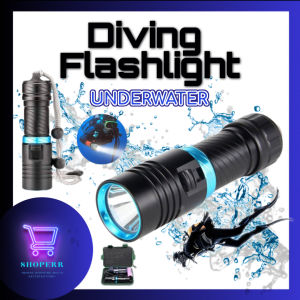
Ultimate Guide to Diving Flashlight 100M & Underwater Waterproof Scuba Rechargeable LED
Ultimate Guide to Diving Flashlight 100M & Underwater Waterproof Scuba Rechargeable LED
Introduction to Diving Flashlights
Diving flashlight is an essential piece of equipment for any scuba diver, whether you're exploring the depths of the ocean or just enjoying a night dive in a freshwater lake. Rechargeable LED flashlights are becoming increasingly popular due to their energy efficiency, durability, and eco-friendliness. Underwater waterproof scuba flashlights provide divers with the necessary illumination to navigate and explore underwater environments safely.
What Are Rechargeable LED Flashlights?
Rechargeable LED flashlights are portable lighting devices that use rechargeable batteries to power light-emitting diodes (LEDs). These flashlights offer several advantages over traditional incandescent bulbs, including longer battery life, brighter light output, and reduced heat generation. Rechargeable LED flashlights are perfect for scuba diving because they can be easily recharged before each dive, eliminating the need for disposable batteries.
Why Choose Underwater Waterproof Scuba Flashlights?
Underwater waterproof scuba flashlights are designed specifically for use in aquatic environments. They feature waterproof seals and rugged construction to withstand the harsh conditions of underwater exploration. Additionally, these flashlights often have adjustable beam angles and brightness settings to help divers adapt to different diving conditions. Underwater waterproof scuba flashlights are a must-have accessory for any serious diver.
Choosing the Right Diving Flashlight
Selecting the right diving flashlight is crucial for ensuring a safe and enjoyable underwater experience. Here are some key features to consider when choosing a rechargeable LED flashlight for scuba diving:
- Waterproof rating: Look for a flashlight with a waterproof rating of at least 100 meters (330 feet) to ensure it can withstand the pressure of deep dives.
- Battery life: Choose a flashlight with a long battery life to minimize the need for frequent recharging.
- Brightness: A bright light is essential for navigating and exploring underwater environments. Look for a flashlight with at least 100 lumens of light output.
- Beam angle: Adjustable beam angles allow divers to adapt their lighting to different diving conditions.
- Durability: A rugged construction is important for withstanding the wear and tear of underwater exploration.
Comparing Top Brands
Several brands offer high-quality rechargeable LED flashlights for scuba diving. Some popular options include:
- Dive Rite: Known for their durable and reliable lighting solutions, Dive Rite offers a range of rechargeable LED flashlights suitable for various diving needs.
- Sea & Sea: A trusted name in underwater photography and lighting, Sea & Sea produces rechargeable LED flashlights with adjustable beam angles and brightness settings.
- Light & Motion: This brand specializes in high-performance lighting solutions for a variety of outdoor activities, including scuba diving. Light & Motion offers rechargeable LED flashlights with long battery life and bright light output.
How to Select the Best Dive Light for Your Needs
When choosing a diving flashlight, consider your specific diving needs and preferences. Factors to consider include the depth of your dives, the type of underwater environment you'll be exploring, and your budget. It's also important to read reviews and compare features before making a purchase.
Using Your Diving Flashlight
Once you've chosen the right diving flashlight, it's important to know how to use it properly to ensure a safe and enjoyable underwater experience.
Proper Maintenance & Storage Tips
To keep your diving flashlight in good condition, follow these maintenance and storage tips:
- Clean and dry the flashlight after each use: This will help prevent corrosion and prolong the life of your flashlight.
- Store the flashlight in a cool, dry place: Avoid storing the flashlight in extreme temperatures or humid environments.
- Charge the flashlight regularly: To maintain optimal battery life, charge the flashlight at least once a month, even if it hasn't been used.
Techniques for Maximizing Battery Life
To get the most out of your diving flashlight's battery life, try these tips:
- Use the lowest brightness setting possible: This will help conserve battery power during long dives.
- Turn off the flashlight when not in use: This will prevent unnecessary battery drain.
- Avoid exposing the flashlight to extreme temperatures: Extreme temperatures can affect battery performance.
Safety Precautions While Diving With a Flashlight
When using a diving flashlight, it's important to take safety precautions to prevent accidents and injuries. Follow these guidelines:
- Always keep the flashlight within reach: This will help prevent accidental loss or damage.
- Avoid shining the flashlight directly into other divers' eyes: This can cause temporary blindness and disorientation.
- Be aware of your surroundings: Keep an eye out for other divers, marine life, and underwater hazards.
Advanced Diving Flashlight Techniques
Once you've mastered the basics of using a diving flashlight, you can take your underwater exploration to the next level with these advanced techniques:
Enhancing Visibility During Night Dives
Night dives offer a unique opportunity to explore the underwater world after dark. To enhance visibility during night dives, try these techniques:
- Use multiple flashlights: Multiple lights can help illuminate different areas of the dive site.
- Adjust the beam angle: A wider beam angle can help cover more area.
- Use a red light: Red light is less disruptive to marine life and can help preserve night vision.
Utilizing Multiple Lights for Optimal Illumination
Using multiple lights can help divers achieve optimal illumination during underwater exploration. Consider these tips:
- Position lights strategically: Place lights at different angles to avoid shadows and blind spots.
- Use different brightness levels: Varying brightness levels can help highlight different features of the dive site.
- Coordinate with other divers: Work together with other divers to create a coordinated lighting plan.
Integrating Dive Lights With Other Scuba Gear
Integrating dive lights with other scuba gear can help divers streamline their equipment and improve underwater efficiency. Here are some ideas:
- Attach lights to dive masks: Attaching lights to dive masks can help divers see clearly without holding a separate flashlight.
- Mount lights on scuba tanks: Mounting lights on scuba tanks can free up hands for other tasks.
- Use dive light accessories: Accessories like lanyards and clips can help divers keep their lights within reach.
In conclusion, choosing the right diving flashlight is essential for a safe and enjoyable underwater experience. By considering key features, comparing top brands, and following proper maintenance and storage tips, divers can get the most out of their rechargeable LED flashlights. With these advanced techniques, divers can take their underwater exploration to the next level and make the most of their scuba diving adventures.

Shoperr
Review
You May Also Like
![[COD] Laogeliang 1Pc Small Mini 12MM To 23MM 316 Stainless Steel Spring Snap Hook Quick Release Carabiner Clasp Outdoor FOB Tool Key Ring](https://img.lazcdn.com/g/p/07a7a277ae7d87e86a229f2934df88d8.jpg_300x300q80.jpg)
[COD] Laogeliang 1Pc Small Mini 12MM To 23MM 316 Stainless Steel Spring Snap Hook Quick Release Carabiner Clasp Outdoor FOB Tool Key Ring
Boundless Voyage Titanium Spoon with Carry Bag Outdoor Flatware Cooking Utensils for Camping Travel Home Ti1067T
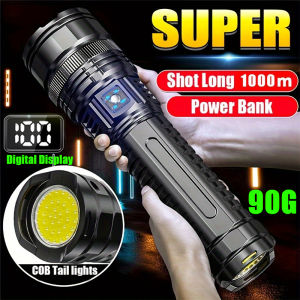
Ultimate Tactical LED Super Bright Zoom Flashlight: A Must-Have Camping Companion
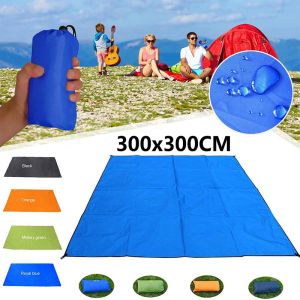
300X300CM Portable Pocket Picnic Mat Waterproof Sand Beach Mat Camping Folding Tent
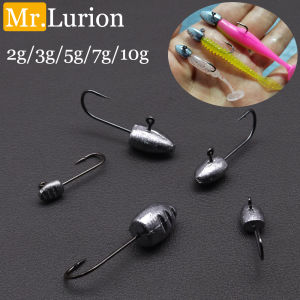
MrLurion 10PCS 2g 3g 5g 7g 10g small jig head fishing hooks for mini soft lure grub baits micro-object drop shot fishing hooks
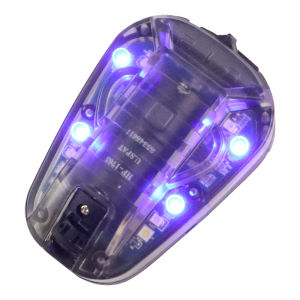
BOOIU Tactical Helmet Light Signal Light with LED IR/Strobe IFF Helmet Light Flashlight Survival Signal Light for Outdoor Sports

Irradiation 5000M waterproof LED flashlight rechargeable heavy duty flashlight original searchlight super bright flashlight long range flashlight plus light rechargeable powerful torch light Waterproof Torch For Home Camping Fishing Hiking Nightwalk
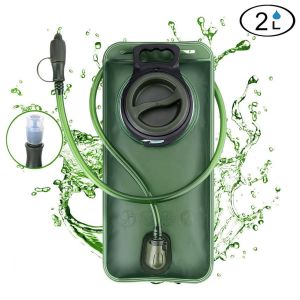
Water Bladder Hydration Backpack 2L Large Capacity EVA Water Bags Reservoir For Running Cycling Hydration Water Storage Bag
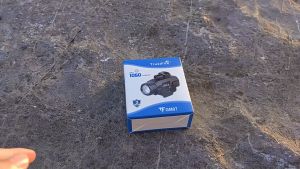
TrustFire GM07 Laser Torch: A Comprehensive Guide
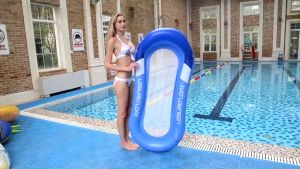
Outdoor Water Floating Bed Swimming Float Inflatable Mesh Water Hammock
Tire 20x1.75/bmx tire gulong