



How to Seal Wall Holes & Fill Gaps: A Comprehensive Guide
How to Seal Wall Holes & Fill Gaps: A Comprehensive Guide
Wall holes and gaps can detract from the aesthetic appeal of your home, as well as compromise its structural integrity. Fortunately, there are several products available on the market to help you seal wall holes and fill gaps effectively. In this guide, we will cover everything you need to know about wall hole sealants, crack filler pastes, gap filler creams, nail hole repair patches, and white paintable plasters.
What is Wall Hole Sealant?
Wall hole sealant is a type of adhesive compound used to fill holes and gaps in walls. It is typically made from synthetic materials such as silicone, polyurethane, or epoxy, and can be applied using a caulk gun or spatula.
Key Features & Benefits
Wall hole sealants offer several benefits, including:
- Easy application: Most sealants can be applied using a caulk gun or spatula, making them easy to use even for beginners.
- Quick drying time: Many sealants dry quickly, allowing you to paint over them within a few hours.
- Durable finish: Once cured, wall hole sealants provide a strong, durable finish that can withstand wear and tear.
- Water-resistant: Some sealants are water-resistant, making them ideal for use in bathrooms, kitchens, and other areas prone to moisture.
Common Wall Hole Sealant Types
There are several types of wall hole sealants available on the market, including:
- Silicone sealant: A popular choice for sealing gaps and holes in walls, silicone sealant is flexible, water-resistant, and easy to apply.
- Polyurethane sealant: This type of sealant is known for its strong adhesion and durability, making it ideal for sealing large gaps and cracks.
- Epoxy sealant: Epoxy sealant is a two-part adhesive that hardens when mixed, providing a strong, durable finish that can withstand heavy loads.
How to Choose the Right Crack Filler Paste
When choosing a crack filler paste, consider the size and depth of the crack, as well as the surface material. Here are some tips to help you select the right product:
Assessing Your Repair Needs
Before selecting a crack filler paste, assess the size and depth of the crack. For small cracks, a thin, flexible paste may be sufficient. For larger cracks, a thicker paste with stronger adhesion may be necessary.
Selecting the Appropriate Product
Once you have assessed your repair needs, choose a crack filler paste that is compatible with the surface material. For example, if you are repairing a concrete wall, choose a paste specifically designed for concrete surfaces.
Gap Filler Cream: Application Techniques
Gap filler cream is a versatile product that can be used to fill gaps and holes in walls, as well as to smooth out uneven surfaces. Here are some tips for applying gap filler cream:
Preparing the Surface
Before applying gap filler cream, clean the surface thoroughly to remove any dirt, dust, or debris. If the surface is rough or uneven, sand it down to create a smooth surface.
Applying the Gap Filler Cream
Using a putty knife or spatula, apply the gap filler cream to the surface, filling in any gaps or holes. Smooth the surface with a damp sponge or cloth, and allow the cream to dry according to the manufacturer's instructions.
Nail Hole Repair Patch: A Step-by-Step Guide
Nail holes can be unsightly and may compromise the structural integrity of your walls. Fortunately, there are several products available on the market to help you repair nail holes effectively. Here is a step-by-step guide to repairing nail holes using a nail hole repair patch:
Tools & Materials Needed
- Nail hole repair patch
- Putty knife
- Sandpaper
- Primer
- Paint
Sealing & Painting the Repaired Area
- Clean the area around the nail hole with a damp cloth to remove any dirt or debris.
- Apply the nail hole repair patch to the hole using a putty knife.
- Allow the patch to dry according to the manufacturer's instructions.
- Sand the repaired area with sandpaper to create a smooth surface.
- Apply primer to the repaired area to ensure proper paint adhesion.
- Paint the repaired area to match the surrounding wall.
White Paintable Plaster: Tips & Tricks
White paintable plaster is a versatile product that can be used to fill gaps and holes in walls, as well as to smooth out uneven surfaces. Here are some tips for using white paintable plaster:
Choosing the Right Plaster
When choosing a white paintable plaster, consider the size and depth of the gap or hole, as well as the surface material. For small gaps and holes, a thin, flexible plaster may be sufficient. For larger gaps and holes, a thicker plaster with stronger adhesion may be necessary.
Finishing Techniques
To achieve a smooth, professional-looking finish, use a putty knife or spatula to apply the plaster to the surface, filling in any gaps or holes. Smooth the surface with a damp sponge or cloth, and allow the plaster to dry according to the manufacturer's instructions.
By following these tips and techniques, you can effectively seal wall holes and fill gaps using wall hole sealants, crack filler pastes, gap filler creams, nail hole repair patches, and white paintable plasters.

PandaMart

You May Also Like

SMATRUL Door and Window Sensor Light Sensor Lighting 2 in 1 Tuya Smart Zigbee Level Detector Window Drawer Wireless Open/Close Alexa Home
![[COD] 36x36x15mm High Quality Small Plastic Electronics Enclosure For PCB Design Electrical Plastic Case DIY Wall Mounted Junction Box](https://img.lazcdn.com/g/p/669f18bc728ea73eb628dff8488c8ad2.jpg_300x300q80.jpg)
[COD] 36x36x15mm High Quality Small Plastic Electronics Enclosure For PCB Design Electrical Plastic Case DIY Wall Mounted Junction Box

ODILO Brass Bathroom Rose Gold Toilet Bidet Spray & Shattaf Set: A Complete Guide
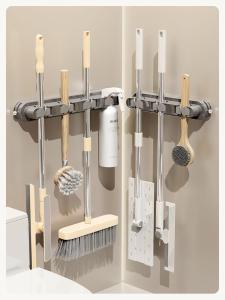
Vacuum Suction Cup Mop Wall Hanging Clip Punch-Free Strong Load-Bearing Mop Rack Hook Bathroom Hanging Sticky Hook Holder
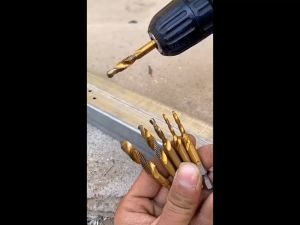
6Pcs Hex Shank Titanium Plated HSS Screw Thread Metric Tap Drill Bits Screw Machine Compound tap M3 M4 M5 M6 M8 M10 Hand Tools
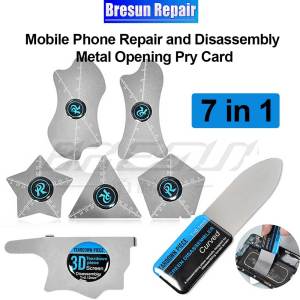
Mobile Phone Repair and Disassembly Metal Opening Pry Card Tools Ultra Thin Flexible Mobile Phone Disassemble Steel Metal Tools
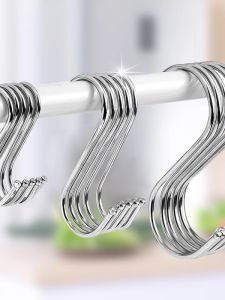
Stainless Steel S-Shaped Iron Hook Metal Shelf Hanging Strip Display Rack Snack Hook Lightweight No Drilling Required Kitchen Storage
![[COD] dfhws 3D Round Double Sided Adhesive Foam Tape Dot Disc Circle Multipurpose DIY Craft](https://img.lazcdn.com/g/p/21cca08c7aa7f33491e611afe5025283.jpg_300x300q80.jpg)
[COD] dfhws 3D Round Double Sided Adhesive Foam Tape Dot Disc Circle Multipurpose DIY Craft

OMNI SWING TYPE PLUG 10A 250V WSP-003
![[Buy 1 Take 3] 100% Real Wood Door 70/80/90 cm width Suitable for bedroom/ office/ living room](https://img.lazcdn.com/g/ff/kf/S96227cae977f4f9583b2d461a0196e648.png_300x300q80.png)
[Buy 1 Take 3] 100% Real Wood Door 70/80/90 cm width Suitable for bedroom/ office/ living room
4pcs 3/4 inches Hinges For Door Welding Hinge Super Heavy Duty Welding Hinge For Big Gate Truck Tank Flag Hinges