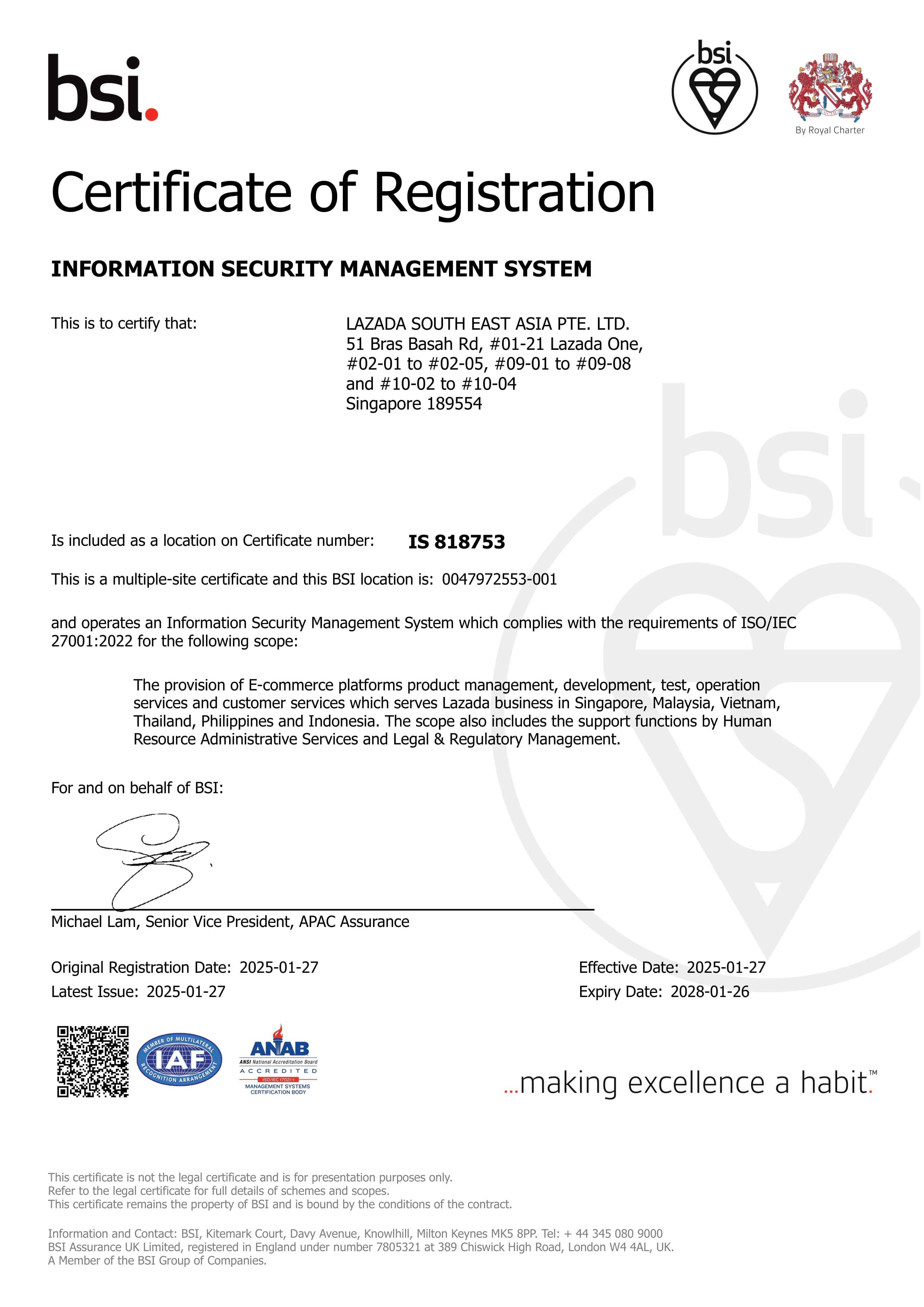



4\" 100mm Exhaust Duct Thickening Aluminum Flexible Dryer Vent Hose Air Ducting Non-Insulated 2m/4m
4" 100mm Exhaust Duct Thickening Aluminum Flexible Dryer Vent Hose Air Ducting Non-Insulated 2m/4m
Understanding the Basics of Non-Insulated Air Ducting
Non-insulated air ducting is a type of ventilation system that is designed to efficiently move air from one location to another without the use of insulation. These ducts are commonly used in various applications, including dryer vents, exhaust systems, and more. Non-insulated air ducting is made from materials like aluminum, which provide durability and resistance to corrosion.
What is Non-Insulated Air Ducting?
Non-insulated air ducting refers to ventilation systems that do not have any insulation material added to their design. Instead, they rely on the natural properties of the material used, such as aluminum, to provide strength and resistance to environmental factors. This type of ducting is ideal for applications where insulation is not necessary, such as dryer vents and exhaust systems.
Key Features & Benefits of Non-Insulated Air Ducting
- Durability: Non-insulated air ducting is built to last, with materials like aluminum providing excellent resistance to corrosion and wear.
- Efficiency: Without the added weight of insulation, non-insulated air ducting can provide efficient airflow, making it ideal for dryer vents and exhaust systems.
- Cost-effective: Non-insulated air ducting is often less expensive than insulated alternatives, making it a cost-effective choice for many applications.
Choosing the Right Size: 100mm Flexible Dryer Vent
When selecting a non-insulated air ducting system, it is essential to choose the right size for your needs. The 100mm flexible dryer vent is a popular choice for many applications due to its flexibility and ease of installation.
How to Measure Your Space for Optimal Ventilation
To determine the appropriate size of non-insulated air ducting for your space, start by measuring the dimensions of the area you want to ventilate. Consider the size of your dryer, exhaust system, or other equipment, and choose a ducting size that will provide adequate airflow without causing any obstructions.
Selecting the Right Length: 2m & 4m Hose Options
When choosing a non-insulated air ducting system, it is essential to select the right length for your application. The 2m and 4m hose options are ideal for various applications, providing flexibility and ease of installation.
- 2m Hose: Ideal for shorter distances, such as connecting a dryer to a wall vent or exhaust system.
- 4m Hose: Suitable for longer distances, such as connecting a dryer to an outdoor vent or exhaust system.
Enhancing Performance with Thickened Aluminum Ducting
Thickened aluminum ducting is a popular choice for non-insulated air ducting systems due to its durability and resistance to corrosion. This type of ducting provides excellent performance, making it ideal for dryer vents and exhaust systems.
Why Choose Thickened Aluminum Ducting?
- Durability: Thickened aluminum ducting is built to last, providing excellent resistance to corrosion and wear.
- Performance: Thickened aluminum ducting provides efficient airflow, making it ideal for dryer vents and exhaust systems.
- Cost-effective: Thickened aluminum ducting is often less expensive than insulated alternatives, making it a cost-effective choice for many applications.
Installation Tips for Thickened Aluminum Ducting
- Measure the distance between the dryer and the vent or exhaust system before purchasing the ducting.
- Ensure that the ducting is securely attached to both the dryer and the vent or exhaust system.
- Check the ducting for any kinks or obstructions that could impede airflow.
Maintaining Optimal Airflow with 4 Inch Exhaust Duct
Regular maintenance is essential to ensure optimal airflow in non-insulated air ducting systems. The 4 inch exhaust duct is a popular choice for many applications due to its efficiency and ease of installation.
Regular Maintenance Tips for 4 Inch Exhaust Duct
- Clean the ducting regularly to remove any lint, dust, or other debris that could impede airflow.
- Inspect the ducting for any signs of wear or damage, and repair or replace as necessary.
- Check the ducting for any kinks or obstructions that could impede airflow.
Troubleshooting Common Issues with 4 Inch Exhaust Duct
- If the dryer is taking longer than usual to dry clothes, check the ducting for any obstructions or kinks that could be impeding airflow.
- If the dryer is producing a strong odor, check the ducting for any signs of wear or damage that could be causing the odor.
- If the dryer is making unusual noises, check the ducting for any loose connections or obstructions that could be causing the noise.

OKKey
Review
You May Also Like

Metar Fingerprint Lock: A Waterproof & USB Rechargeable Mini Lock for Luggage Case Security
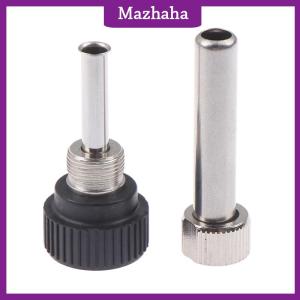
Mazhaha Soldering Station Iron Handle Accessories for Iron Head Cannula Iron Tip Bushing
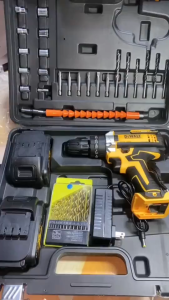
DeWalt High-Power Impact Wrench – 48V Compact and Strong for Heavy Duty Work

diymore DC 6-18V 2*20W BT Decoder Board with Amplifier MP3 FM Decoder with Recording Call Lossless Motherboard
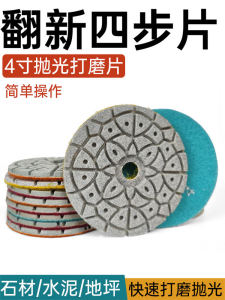
Four-Step Dry Grinding Disc: A Comprehensive Guide

2024 New Dreamy Starry Super Fantasical Furry Ear Muffs Warm High Head Top Face Slimming Windproof Ear Protection
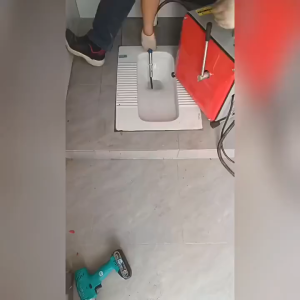
Unicorn High Quality GQ-150 Electric Pipe Dredge Machine Professional Household Sewer Tool Automatic Toilet Toilet unclogging device

Full Set Host Screws Set Kit Replacement Metal Screws for NS OLED Gamepad Accessories Game Console Repairing Parts 44Pcs
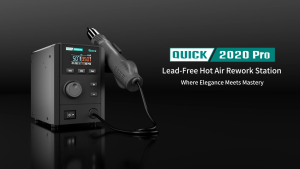
Industrial Soldering Brushless Fan Rework Station Quick 2020Pro Hot Air Welding Station for PCB Desoldering Repair

Thickened Space Aluminum Adhesive Hooks Kitchen Bathroom Wall Mount No Trace Sticky Hooks Strong Load Bearing No Drilling Needed

Super Strong X2000 Aluminum Foil Tape: Durable Waterproofing Solution