


Titebond Woodworking Glue: A Comprehensive Guide
Titebond Woodworking Glue: A Comprehensive Guide
What is Titebond Woodworking Glue?
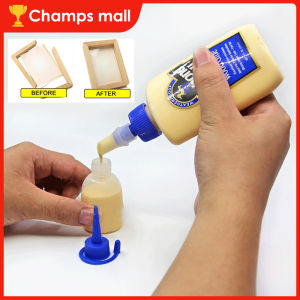
Titebond Woodworking Glue is a strong woodworking adhesive designed specifically for furniture repair and woodworking projects. It is known for its high-quality performance, reliability, and eco-friendliness. This comprehensive guide will help you understand the different types of Titebond glue, how to choose the right one for your project, and tips for using it effectively.
Key Features & Benefits
- Strong bonding: Titebond glue creates a strong bond between wood pieces, making it ideal for furniture repair and woodworking projects.
- Eco-friendly: Many Titebond glues are made with environmentally friendly ingredients, reducing waste and saving money.
- Versatile: Titebond glue can be used for various woodworking applications, including indoor and outdoor projects.
Types of Titebond Glue
Titebond offers several types of glue, including Titebond Original, Titebond III, Titebond II, and Titebond Polyurethane Glue. Each type has its unique properties and applications, making it essential to choose the right one for your project.
How to Choose the Right Titebond Glue for Your Project
Choosing the right Titebond glue depends on the type of project you're working on, the wood species, and the environmental conditions. Here are some factors to consider:
Factors to Consider
- Type of wood: Different wood species require different types of glue. Some glues work better with softwoods, while others are ideal for hardwoods.
- Environmental conditions: If you're working on outdoor projects, consider using Titebond III, which is resistant to moisture and temperature changes.
- Project requirements: Consider the strength and durability required for your project. Titebond Original is great for indoor projects, while Titebond Polyurethane Glue is ideal for outdoor applications.
Comparing Different Titebond Glues
| Type | Strength | Drying Time | Moisture Resistance | | --- | --- | --- | --- | | Titebond Original | High | 2-3 hours | Low | | Titebond II | High | 2-3 hours | Medium | | Titebond III | High | 2-3 hours | High | | Titebond Polyurethane Glue | Very High | 2-3 hours | Very High |
Using Titebond Woodworking Glue: Tips & Techniques
Using Titebond glue effectively requires proper preparation, application, and curing. Here are some tips and techniques to help you get the best results:
Preparing the Wood Surface
- Clean the wood surface thoroughly before applying the glue.
- Sand the wood surface to create a smooth, even surface.
- Wipe off any dust or debris with a clean cloth.
Applying the Glue
- Apply a thin, even layer of glue to both surfaces.
- Press the pieces together firmly, ensuring they are aligned correctly.
- Wipe off any excess glue with a clean cloth.
Curing Time & Conditions
- Allow the glue to cure according to the manufacturer's instructions.
- Store the project in a cool, dry place until the glue has fully cured.
- Avoid exposing the project to moisture or extreme temperatures during the curing process.
Environmental Protection Glue: A Greener Alternative
Using eco-friendly glues like Titebond can help reduce waste and save money. Here are some benefits of using environmental protection glue:
Eco-Friendly Ingredients
- Many Titebond glues are made with non-toxic, biodegradable ingredients.
- They are free from harmful chemicals and solvents.
Reducing Waste & Saving Money
- Using eco-friendly glues can help reduce waste by minimizing the amount of glue needed for a project.
- They are often more cost-effective in the long run, as they require less glue and produce fewer fumes.
Troubleshooting Common Issues with Titebond Glue
Even with proper preparation and application, issues may arise when using Titebond glue. Here are some common problems and solutions:
Drying Too Quickly
- If the glue dries too quickly, try applying a thin layer of water to the wood surface before applying the glue.
- Work in a cool, humid environment to slow down the drying process.
Uneven Adhesion
- Ensure the wood surfaces are clean, smooth, and free from dust or debris.
- Apply a thin, even layer of glue to both surfaces.
Cleaning Up Excess Glue
- Wipe off excess glue with a clean cloth immediately after applying.
- Use a damp cloth to remove any remaining glue.
In conclusion, Titebond Woodworking Glue is a reliable and eco-friendly adhesive for furniture repair and woodworking projects. By choosing the right type of glue for your project and following these tips and techniques, you can achieve strong, durable results while reducing waste and saving money.

Champs Mall
Review

You May Also Like

ETC-512B Digital Temperature Controller Thermostat Thermoregulator Incubator Relay LED 16A Heating Cooling 12-24V 110V 220V
1pair Strong Magnetic Door Catch Latch Handle Closer Cabinet Drawer Ultra Thin Anti-Rust With Screw

ZEO 20/30cm Stainless Steel Wire Brush Head Moss Brush Heavy Duty Floor Brush

Spindle Motor of Carving Machine: 3450 DC & 500 Tile Spindle
【Free 120 Nails】Nail Gun Ceiling Artifact Manual Mini Steel Nail Gun For Wood Wall Anchor Wire Fastening Pipe Clamp Round Cap Household Fastener
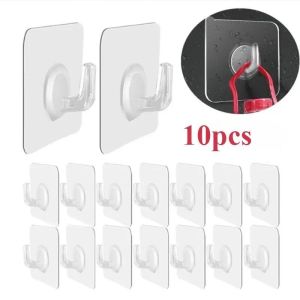
10Pcs Transparent Strong Adhesive Wall Hooks: Self Adhesive Wall Hooks Door Hangers Hooks Kitchen Bathroom Organizer Holder
![[COD] REMAI0 10pcs Soldering Sponge For BGA Soldering Iron Tip Cleaning Welding Head Cleaner Tools](https://img.lazcdn.com/g/p/f8cd56635b6d0da3d64421705bb538b9.jpg_300x300q80.jpg)
[COD] REMAI0 10pcs Soldering Sponge For BGA Soldering Iron Tip Cleaning Welding Head Cleaner Tools

Heavy-Duty Roll-Up Tool Bag - Oxford Fabric Multi-Tool Organizer All-in-One Garage Storage for Mechanics/Electricians/Carpenters
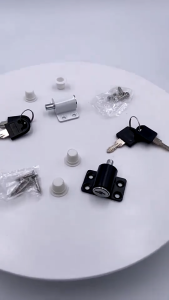
2Pcs Window Lock Sliding Patio Door Catches Set Glass Door Patio Window Bolt Catch Push Security Lock with 2 Keys
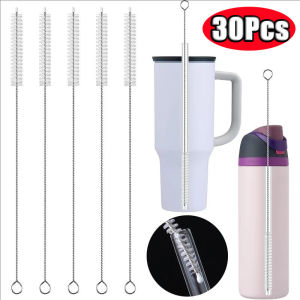
10/30pcs Straw Cleaning Brush Nylon Long HandleTube Brush Stainless Steel Straw Cleaner Reusable Household Cleaning brush for Sippy Cup Water Bottle and Tubes
LINGMIAO | Shock Absorbing Sweat-Absorbing Anti-Odor Aromatic Grass Insoles for Military Training