



Mulberry Tree: An Environmentally Friendly & Easy Care Tree
Mulberry Tree: An Environmentally Friendly & Easy Care Tree
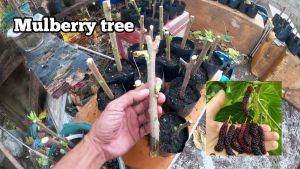
Mulberry trees have been cultivated for centuries due to their versatility, natural beauty, and numerous benefits. In this article, we will explore the mulberry tree as an environmentally friendly and easy care tree, discussing its benefits, planting techniques, and care tips.
What is a Mulberry Tree?
A mulberry tree is a deciduous tree that belongs to the Moraceae family. It is known for its fruit, which comes in various colors such as white, red, and black. Mulberry trees can grow up to 30 feet tall and provide both natural material and decorative plant value.
Natural Material & Decorative Plant
Mulberry trees offer an array of benefits beyond their delicious fruit. Their leaves can be used as a natural material for mulching, composting, and animal feed. Additionally, mulberry trees are attractive ornamental plants that can enhance the aesthetics of any landscape.
Benefits of Growing a Mulberry Tree
Growing a mulberry tree offers numerous advantages, including:
- Environmentally friendly: Mulberry trees are drought-tolerant and require minimal water once established. They also attract beneficial insects and birds, promoting biodiversity.
- Easy care: Mulberry trees are low-maintenance and require little pruning or fertilization.
- Versatile: Mulberries can be eaten fresh, dried, or used in various culinary applications.
How to Plant a Mulberry Tree
Planting a mulberry tree is a straightforward process. Follow these steps to ensure successful growth:
Choosing the Right Location
Select a sunny location with well-draining soil for optimal growth. Mulberry trees thrive in USDA hardiness zones 5-9. Consider planting your tree away from sidewalks, driveways, or other structures, as mulberry fruits can stain surfaces.
Soil Preparation & Planting Techniques
Prepare the soil by loosening it and removing any weeds or debris. Dig a hole twice as wide and just as deep as the root ball. Place the tree in the hole, ensuring the root collar is level with the ground. Fill the hole with soil, gently tamping it down around the roots.
Caring for Your Mulberry Tree
Caring for your mulberry tree is essential to maintain its health and productivity. Follow these tips:
Watering & Fertilization
Water your mulberry tree deeply once a week during the growing season. Mulch around the base of the tree to retain moisture and suppress weeds. Fertilize your tree in early spring using a balanced fertilizer.
Pruning & Shaping
Prune your mulberry tree during its dormant period to remove dead, damaged, or crossing branches. Thin out the canopy to promote air circulation and sunlight penetration. Shape your tree according to your desired form.
Harvesting Mulberries
Harvesting mulberries is a delightful experience. Follow these guidelines:
When to Harvest
Mulberries are ready to harvest when they turn their mature color and easily detach from the tree. Harvest your berries by hand or using a gentle shake method.
Proper Storage & Usage
Store harvested mulberries in the refrigerator for up to one week. Rinse them before consumption. Enjoy fresh mulberries in various culinary applications, such as jams, pies, and smoothies.
In conclusion, mulberry trees are environmentally friendly, easy care trees that offer numerous benefits. By following the planting techniques and care tips outlined in this article, you can enjoy a bountiful harvest of delicious mulberries.

Mulberries Store atbp
Review

You May Also Like

【 Free Ship 】Emauxi Swimming Pool Light Transformer 220V to AC12V IP68 Waterproof Underwater Power Adapter 105W 200W

CHUANGCHAO Shredder Machine: A Comprehensive Guide to Small Household Forage Choppers

HONDA Recoil Starter Assembly Assy GX160 GP160 6.5HP 7HP 7.5HP Gasoline Engine Nittoo Ichiban

3 seconds to remove big trees grass killer chemical Contain up to 5% hexazione can effectively kill trees/bamboo/weeds

MOKETA ½INCH 40M Hose Organizer for Gardening and Car Wash - Efficient Coil Rack for Watering Hoses

Premium Coconut Charcoal Briquettes in Cube size.
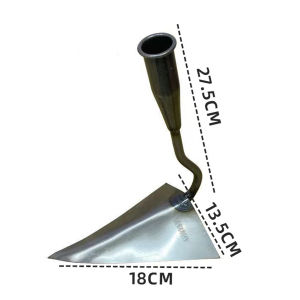
YoPo Agricultural Triangle Hoe: A Durable & Multifunctional Weeding Tool

14pcs Anti Bird Spikes Strip Stainless Steel Repeller Bird And Pigeon Spikes Deterrent Bird Scarer Repeller For Pigeon

Butterfly Miniatures Figurines Cute White Duck Animal Micro Landscape Ornaments For Home Desk Decoration Gardening Accessories

5/7/8-Tooth ing Rake - Double Reinforced Garden Tool for Soil Loosening Farm & Yard Work
![3 pcs. /Set - High-Quality Plastic Hard Orange Pot (Ht. 7 Inches Opening 8 inches)[Stock Code: Pot #7]Plus [FREE 1 Pack Cocopeat or Ipa or 1 Pc Philodendron cutting randomly picked by Seller]](https://img.lazcdn.com/g/ff/kf/Sd53aef67d6894b468379476e31f32a8ai.jpg_300x300q80.jpg)
3 pcs. /Set - High-Quality Plastic Hard Orange Pot (Ht. 7 Inches Opening 8 inches)[Stock Code: Pot #7]Plus [FREE 1 Pack Cocopeat or Ipa or 1 Pc Philodendron cutting randomly picked by Seller]