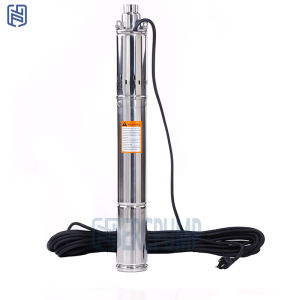

220V 60Hz Submersible Pump Single Phase Stainless Steel High Pressure Large Flow Deep Well Screw Irrigation Water Pump

220V 60Hz Submersible Pump Single Phase Stainless Steel High Pressure Large Flow Deep Well Screw Irrigation Water Pump

Introduction to 220V Submersible Pumps

Submersible pumps are a versatile solution for various applications, from irrigation to water supply systems. This article focuses on the 220V single-phase stainless steel submersible pump, which is specifically designed for large flow deep well applications and high-pressure irrigation systems.

Key Features of 220V Submersible Pumps

  • High Pressure: Capable of delivering water at high pressure, making it ideal for irrigation and other demanding applications.
  • Large Flow: Designed to handle large volumes of water, ensuring efficient operation even in deep wells.
  • Deep Well Capability: Built to withstand the rigors of deep well installations, providing reliable performance.
  • Single Phase Operation: Operates on a single-phase power supply, making it easier to install and maintain.
  • Stainless Steel Construction: Made from durable stainless steel, ensuring long-lasting performance and corrosion resistance.

Applications of 220V Submersible Pumps

The 220V single-phase stainless steel submersible pump is suitable for a wide range of applications, including:

  • Irrigation Systems: Provides a steady supply of water for agricultural purposes, ensuring optimal crop growth.
  • Water Supply: Delivers clean, fresh water to residential and commercial properties, ensuring a reliable water source.
  • Industrial Use: Meets the demands of industrial processes, such as cooling and cleaning, by providing a consistent water supply.

Choosing the Right Single Phase Stainless Steel Water Pump

Selecting the right submersible pump is crucial for optimal performance and efficiency. Consider the following factors when choosing a single-phase stainless steel water pump:

Understanding Single Phase Screw Pumps

Single phase screw pumps operate on a single-phase power supply, which simplifies installation and maintenance. They are suitable for applications requiring high pressure and large flow rates.

Selecting the Right Size and Capacity

When selecting a submersible pump, consider the following factors:

  • Water Source: Determine the depth and volume of the water source to ensure the pump can handle the required flow rate.
  • Pressure Requirements: Evaluate the pressure requirements of the application to ensure the pump can deliver sufficient pressure.
  • Flow Rate: Calculate the required flow rate based on the application's needs to select the appropriate pump size.

Installation and Maintenance of 220V Submersible Pumps

Proper installation and regular maintenance are essential for the efficient operation of submersible pumps.

Proper Installation Techniques

Follow these steps for proper installation:

  1. Check the Water Source: Ensure the water source is clean and free of debris that could damage the pump.
  2. Install the Pump: Carefully lower the pump into the well, making sure it is securely attached to the power supply.
  3. Test the Pump: Once installed, test the pump to ensure it is operating correctly.

Regular Maintenance Tips

To maintain optimal performance, follow these tips:

  • Clean the Pump: Regularly clean the pump to remove any accumulated debris.
  • Inspect the Connections: Check the connections for wear and tear, and replace any damaged parts.
  • Monitor Performance: Keep track of the pump's performance, and address any issues promptly.

High Pressure Irrigation Pump: Maximizing Efficiency

High-pressure irrigation pumps play a crucial role in ensuring optimal crop growth by delivering water at the required pressure and flow rate.

Benefits of High Pressure Irrigation Pumps

  • Efficient Water Distribution: High-pressure irrigation pumps deliver water evenly, ensuring optimal crop growth.
  • Reduced Water Waste: By delivering water at the right pressure and flow rate, high-pressure irrigation pumps minimize water waste.
  • Increased Crop Yields: High-pressure irrigation pumps help increase crop yields by providing the necessary water for optimal growth.

Optimizing Water Distribution

To optimize water distribution, consider the following factors:

  • Irrigation System Design: Design the irrigation system to ensure even water distribution across the field.
  • Water Pressure: Adjust the water pressure to match the requirements of the crops being grown.
  • Flow Rate: Calculate the required flow rate based on the size of the field and the type of crops being grown.
SUNTEAM

SUNTEAM

Seller ratings 100%