


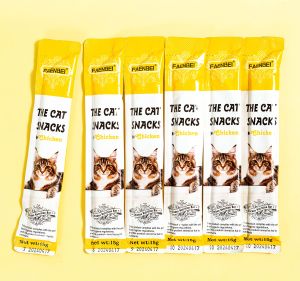
15G Cat Treats Stick Nutrition & Wet Food for Cats
15G Cat Treats Stick Nutrition & Wet Food for Cats
Understanding Cat Treats: A Quick Overview
Cat treats are an essential part of pet care, providing both nutrition and bonding opportunities for owners and their feline companions. However, it's crucial to understand the differences between cat treats and regular food, as well as the nutritional value of cat treats.
Cat Treats vs. Regular Food: Key Differences
Cat treats are generally smaller, more concentrated, and often more palatable than regular food. They are designed to be given in small quantities, whereas regular food forms the foundation of a cat's diet. Treats can be used for training, bonding, and rewarding good behavior, while regular food provides the necessary nutrients for growth, maintenance, and overall health.
Nutritional Value of Cat Treats
Cat treats should complement, rather than replace, regular food. While some treats may offer nutritional benefits, it's important to choose treats that don't compromise your cat's overall diet. Look for treats that contain high-quality ingredients, such as real meat, fish, or poultry, and avoid treats that contain fillers, artificial preservatives, or excessive sugar.
Types of Cat Treats Available
There are numerous types of cat treats available, including wet food sticks, dry food sticks, and freeze-dried treats. Wet food sticks, like our 15G cat treat sticks, offer a convenient and nutritious option for cats that enjoy wet food.
Choosing the Right Cat Treats: Tips & Tricks
Selecting the right cat treats can be challenging, but by following these tips, you can make informed choices that benefit both you and your feline friend.
How to Read Cat Treat Labels
When choosing cat treats, always read the label carefully. Look for treats that contain real meat, fish, or poultry as the first ingredient, and avoid treats that contain fillers, artificial preservatives, or excessive sugar. Additionally, check the calorie content and feeding guidelines to ensure you're providing the right amount of treats for your cat's diet.
Comparing Wet & Dry Cat Treats
Wet food sticks, like our 15G cat treat sticks, offer a convenient and nutritious option for cats that enjoy wet food. They provide moisture, which can be beneficial for cats that don't drink enough water. On the other hand, dry food sticks are more convenient for storage and can help maintain dental health by reducing plaque buildup.
Selecting Treats Based on Your Cat's Diet
Consider your cat's dietary needs when choosing treats. If your cat has specific health concerns, such as obesity or allergies, choose treats that are low in calories or free from common allergens. Additionally, consider your cat's preferences and feeding habits when selecting treats.
Maximizing the Benefits of Cat Treats
Cat treats can offer numerous benefits beyond just rewarding good behavior. Here are some ways to maximize the benefits of cat treats:
Using Treats for Training & Bonding
Cat treats can be used for training and bonding with your feline friend. Reward your cat for good behavior, such as using the litter box or coming when called, with a small treat. Additionally, use treats to encourage playtime and bonding with your cat.
Incorporating Treats into Your Cat's Diet
While cat treats should not replace regular food, they can be incorporated into your cat's diet in moderation. Consider using treats as a reward for good behavior, or as a supplement to your cat's regular food. However, it's important to monitor your cat's calorie intake and avoid overfeeding.
Alternatives to Commercial Cat Treats
If you prefer to avoid commercial cat treats, there are numerous alternatives available. Consider making homemade treats using ingredients like cooked chicken, tuna, or salmon. Additionally, consider offering small pieces of fresh fruits or vegetables, such as cooked carrots or green beans, as a healthy alternative to commercial treats.
Common Concerns About Cat Treats
While cat treats can offer numerous benefits, there are some common concerns associated with feeding treats to cats. Here are some safety precautions to keep in mind:
Overfeeding & Weight Gain
Overfeeding treats can lead to weight gain and obesity in cats. It's important to monitor your cat's calorie intake and avoid overfeeding. Additionally, consider using treats as a reward for good behavior, rather than offering treats freely.
Allergies & Sensitivities
Some cats may have allergies or sensitivities to certain ingredients in commercial cat treats. If your cat experiences digestive issues or allergic reactions after consuming treats, consider switching to a different brand or type of treat.
Safety Precautions When Feeding Treats
Always supervise your cat when feeding treats, especially if they are new to a particular type of treat. Additionally, avoid offering treats that are too large or hard for your cat to chew, as they may pose a choking hazard.
Conclusion: Making Informed Choices About Cat Treats
Cat treats can offer numerous benefits for both owners and their feline companions. By understanding the differences between cat treats and regular food, choosing the right cat treats, and maximizing the benefits of cat treats, you can make informed choices that benefit both you and your cat.

CCMP Enterprises.1602
Review

You May Also Like
Dog Diaper with Poop Bag for Female Pants Panties Shorts Reusable Doggies Period Diaper Incontinence Poop Bag
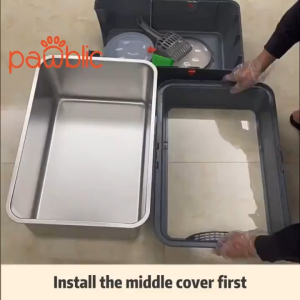
【Ready Stock】Stainless steel cat litter box with pedal fully enclosed removable cat litter box deodorizing bag to remove odor free mat and cat shovel
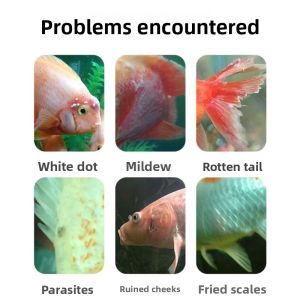
MONLEYTA | Methylene Blue Fish Medicine For Aquarium Fish Special White Spot Clean Treatment Against Water Mold Disease Fish Tank Disinfection

【Whisker Wonders】 Whisker MOLAMGO Large Dog Clothes Costume Christmas 5XL
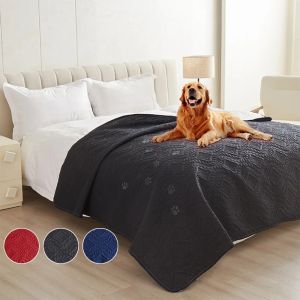
New Water Repellent Mattress Protector Kid Pet Dog Urine Pad Reuseable King Size Bed Sheet Cover Washable Bed Bedspread Mat
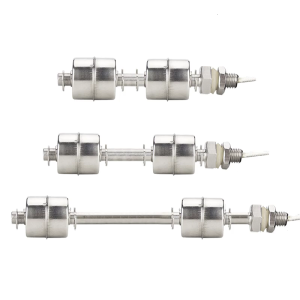
Automatic Water Tank Level Float Control Switcher Double Ball Float Sensors Steel Design for Aquaculture Enthusiasts
135g Vet Core Vetcore Plus Active Soap All Stages Adult Puppy Kitten Cat Dog Pet Grooming Supplements Essentials Deltamethrin Cats Dogs
Gold King USA Growth Booster Feed for Pigs Cattle Poultry Fast Weight Gain and Health Support(BUY1GET1)

Dog Herding Ball Interactive Inflatable Toy for Dogs Encouraging Exercise and Outdoor Game Fun Bouncy Toy
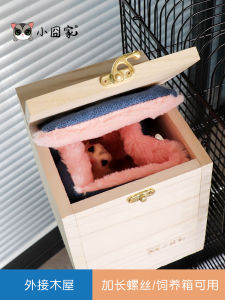
Warmth Providing Hedgehog Shelter House Cotton Nest Mouse Rabbit Cage Pet Toy Winter Survival Small Animal Wooden House
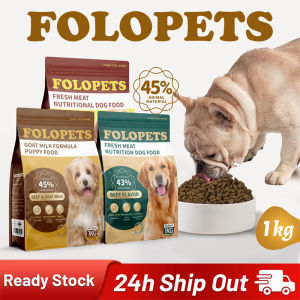
COD FOLOPETS 1kg Puppy / Adult Dog Dry Food Goat Milk Chicken Fish Flavor All Breeds And Stages