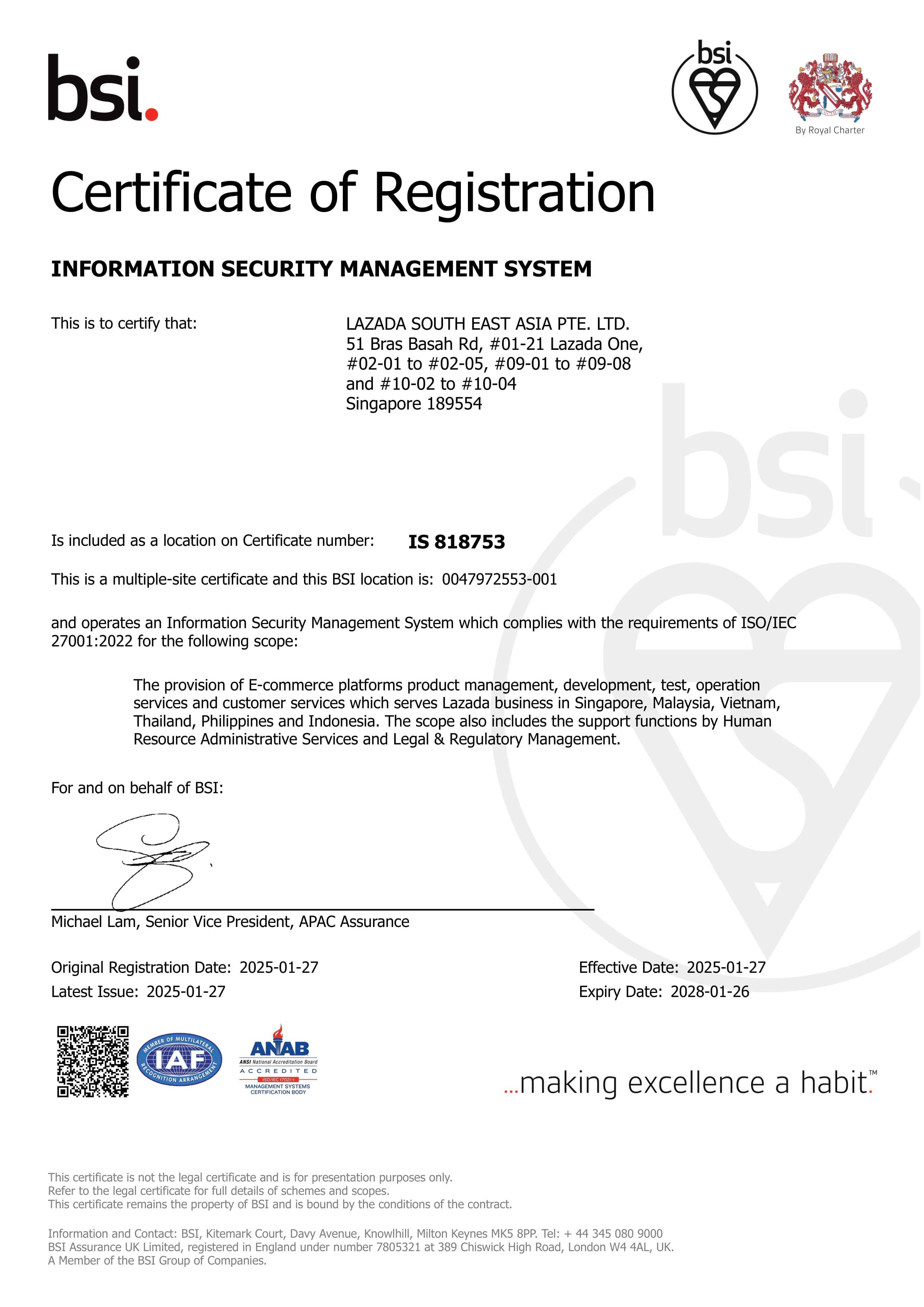



A-FFF 10 lbs BLUE Wet Foam Chem Fire EXTINGUISHER
A-FFF 10 lbs BLUE Wet Foam Chem Fire EXTINGUISHER
Understanding A-FFF & Its Applications
A-FFF, short for Aqueous Film Forming Foam, is a specialized firefighting agent designed to combat Class B fires caused by flammable liquids. This chemical fire extinguisher is widely used due to its effectiveness in quickly suppressing fires caused by substances like alcohol, ether, oil, gasoline, and grease. It is essential to understand the applications and benefits of A-FFF fire extinguishers to ensure proper use and maintenance.
Class B Fires & Flammable Liquids
Class B fires involve flammable liquids such as oil, paints, solvents, lacquers, alcohols, petroleum greases, tars, lighter fluid, propane, natural gas, gasoline, kerosene, butane, lubricants, fuels, diesel, and paraffin. These fires pose significant risks due to their rapid spread and intense heat. A-FFF fire extinguishers play a crucial role in controlling and extinguishing these fires by forming a foam blanket that isolates the fuel from oxygen.
Military Uses: Jet Fuel & Petroleum Fires
In addition to civilian applications, A-FFF fire extinguishers are widely used in military settings. They are particularly effective in combating jet fuel and petroleum fires stemming mostly from aircraft. The unique properties of A-FFF allow it to quickly form a foam layer that smothers the flames and prevents re-ignition, making it an invaluable tool for military firefighters.
Key Substances & Chemicals Causing Class B Fires
Class B fires can be caused by a wide range of flammable liquids and chemicals. Here are some of the most common substances:
- Oils: Various types of oils, including vegetable, mineral, and synthetic oils, can ignite and cause Class B fires.
- Paints: Paints, varnishes, and other coating materials containing flammable solvents can pose fire hazards.
- Solvents: Solvents like acetone, benzene, and xylene are highly flammable and can quickly ignite under certain conditions.
- Lacquers: Lacquers and similar finishes often contain flammable solvents that can cause Class B fires if mishandled.
- Alcohols: Alcohols, such as ethanol and methanol, are highly flammable and can ignite easily under certain conditions.
- Petroleum Greases: Petroleum-based greases used in machinery and equipment can cause Class B fires if exposed to heat or sparks.
- Tars: Tars and asphalt-based products can ignite and cause Class B fires if exposed to heat or flames.
- Lighter Fluid: Lighter fluid, commonly used in cigarette lighters and camping stoves, is highly flammable and can cause Class B fires.
- Propane: Propane, a popular fuel for grills and portable heaters, is highly flammable and can cause Class B fires if mishandled.
- Natural Gas: Natural gas, used in homes and businesses for heating and cooking, can cause Class B fires if a leak occurs.
- Gasoline: Gasoline, used in vehicles and other equipment, is highly flammable and can cause Class B fires if mishandled.
- Kerosene: Kerosene, used in lamps and heaters, is highly flammable and can cause Class B fires if mishandled.
- Butane: Butane, used in camping stoves and portable heaters, is highly flammable and can cause Class B fires if mishandled.
- Diesel: Diesel fuel, used in trucks and other heavy equipment, is highly flammable and can cause Class B fires if mishandled.
- Paraffin: Paraffin wax, used in candles and other products, can ignite and cause Class B fires if exposed to heat or flames.
How to Use A-FFF Fire Extinguisher
Proper use of an A-FFF fire extinguisher is essential to effectively combat Class B fires. Here are some guidelines:
Identifying & Assessing Class B Fires
Before using an A-FFF fire extinguisher, it is crucial to identify and assess the fire. Look for signs of flammable liquids, such as oil, gasoline, or solvents, and determine the size and intensity of the fire. If the fire is too large or spreading rapidly, evacuate the area immediately and call emergency services.
Proper Handling & Discharge Techniques
When using an A-FFF fire extinguisher, follow these steps:
- Pull the pin: Remove the safety pin from the fire extinguisher.
- Aim the nozzle: Point the nozzle at the base of the fire.
- Squeeze the handle: Squeeze the handle to release the foam.
- Sweep the nozzle: Sweep the nozzle back and forth, covering the entire area of the fire.
Post-Fire Safety Measures & Maintenance
After extinguishing a Class B fire with an A-FFF fire extinguisher, it is crucial to take appropriate safety measures and maintain the equipment. Ensure the fire is completely out, and the area is safe before resuming normal activities. Regularly inspect and maintain the A-FFF fire extinguisher according to manufacturer guidelines to ensure its proper functioning.
By understanding the applications, benefits, and proper use of A-FFF fire extinguishers, you can effectively combat Class B fires and protect yourself and others from potential hazards.

Eleazar Gen Merchandise
Review
You May Also Like

Anti-theft lock catch card buckle fixed anti-lock indoor room door security plug bolt door buckle device anti-theft door inside
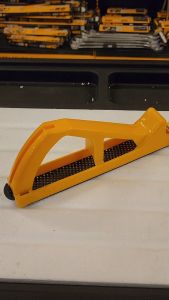
Tolsen Multi Rasp Blade Wood Block Planer (250x40mm) ABS Body 42003: A Comprehensive Guide

Mini Windshield Wiper Bathroom Mirror Fog Removal Brush Board Kitchen Storage Rack Plastic No Drilling Required Installation
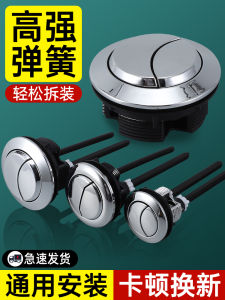
Vintage Toilet Tank Accessories: Water Flush Button Cover, Lever Cover, and Universal Key Switch
1pcs Aluminum Foil Tape/ Smoke Exhaust Pipe Adhesive Sealing Tape Sticker P8006
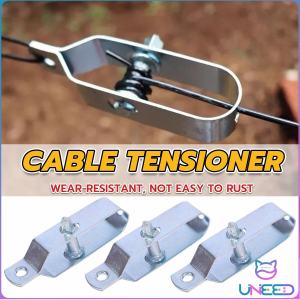
Cable Tightener for Greenhouse: A Must-Have Agricultural Tensioning Equipment

SINK STRAINER PVC WHITE SIZE 1 1/4
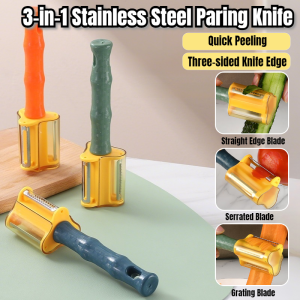
💕Three in One💕Stainless Steel Peeling Knife Kitchen Utensils Dual-Purpose Grater Peeling Melon and Fruit Peeler
Glass Door Lock Stainless Steel Glass Gate Floor Latch Fit For 8-12mm Thickness Durable And Anti-Corrosion
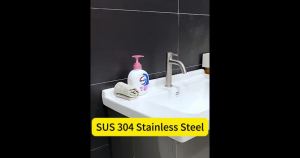
304 Stainless Steel Platform Water Large Single Single Cold and High toilet Hand Washing Washed Basin cold tablet faucet
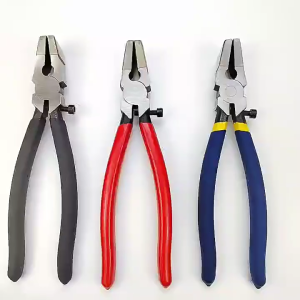
PHYHOO blue handle wire drawing pliers for clamping steel wires during metal wire drawing process