


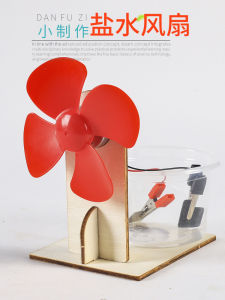
Student Scientific Experiment Brine Power Generation Kids Technology Small Production DIY Assemble New Energy Fan Physical Model
Student Scientific Experiment Brine Power Generation Kids Technology Small Production DIY Assemble New Energy Fan Physical Model
Introduction to Brine Power Generation
What is Brine Power Generation?
Brine power generation is a method of producing electricity using the energy difference between saltwater (brine) and freshwater. This innovative technology harnesses the potential energy stored in the salinity gradient, converting it into electrical energy through osmotic pressure.
How Does Brine Power Generation Work?
Brine power generation works by utilizing the difference in salt concentration between freshwater and brine. When freshwater and brine are separated by a semi-permeable membrane, water molecules move from the freshwater side to the brine side through osmosis. This movement generates pressure, which can then be used to drive a turbine and produce electricity.
Benefits of Using Brine Power Generation
Brine power generation offers several benefits, including:
- Renewable energy source: Brine power generation is a clean, renewable energy technology that does not emit greenhouse gases or produce harmful waste.
- Abundant resource: Saltwater is readily available in large quantities, making brine power generation a sustainable solution for future energy needs.
- Educational value: Brine power generation provides an excellent opportunity for students to learn about renewable energy technologies and environmental sustainability.
Assembling the Physical Model
Tools and Materials Needed
To assemble the student brine power generation kit, you will need the following tools and materials:
- Plastic container
- Semi-permeable membrane
- Freshwater and brine solutions
- Small turbine
- Connecting wires
- Battery
Step-by-Step Assembly Guide
- Fill the plastic container with freshwater and brine solutions, separated by the semi-permeable membrane.
- Connect the turbine to the semi-permeable membrane and secure it in place.
- Connect the wires to the turbine and battery, ensuring a proper connection.
- Observe the turbine spinning as it converts the osmotic pressure into electrical energy.
Troubleshooting Common Issues
If you encounter any issues during assembly, refer to the troubleshooting guide below:
-
Issue: Turbine not spinning Solution: Check connections, ensure proper placement of semi-permeable membrane, and verify water levels.
-
Issue: No electricity generation Solution: Check battery connection and ensure proper turbine rotation.
Enhancing Learning with the Student Brine Power Generation Kit
Incorporating STEM Education
The student brine power generation kit provides an excellent opportunity to incorporate STEM education into the classroom. Students can learn about renewable energy technologies, environmental sustainability, and the principles of osmosis and pressure.
Encouraging Hands-On Learning
Hands-on learning is essential for developing critical thinking and problem-solving skills. By assembling and experimenting with the student brine power generation kit, students can gain practical experience in science and engineering.
Promoting Environmental Awareness
Brine power generation is a clean, renewable energy technology that does not emit greenhouse gases or produce harmful waste. By learning about brine power generation, students can develop a deeper understanding of environmental sustainability and the importance of renewable energy.
Exploring New Energy Fan Experiments
Setting Up the Experiment
To set up the new energy fan experiment, follow these steps:
- Assemble the student brine power generation kit as described above.
- Connect the fan to the battery using the connecting wires.
- Observe the fan spinning as it converts the electrical energy into mechanical energy.
Analyzing Results
Analyze the results of the experiment by observing the speed and direction of the fan. Record any changes in performance and discuss potential improvements or modifications to the system.
Further Experimentation Ideas
Consider the following ideas for further experimentation with the student brine power generation kit:
- Experiment with different salt concentrations to determine the optimal conditions for maximum energy production.
- Test the effects of temperature on the system's performance.
- Investigate the potential for scaling up the technology for larger-scale applications.
By exploring these ideas and conducting further experiments, students can deepen their understanding of brine power generation and its potential applications in the future.

TB FMCG SHOP
Review

You May Also Like
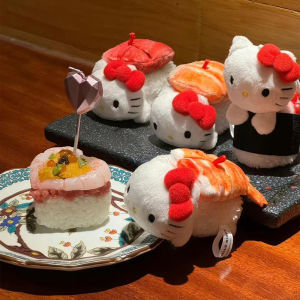
Kawaii Hello Kitty Sanrio Sushi Series Pendant Anime Figure Keychain Itabag Backpack Pendant Accessory Toy Limit Doll Girl Gift
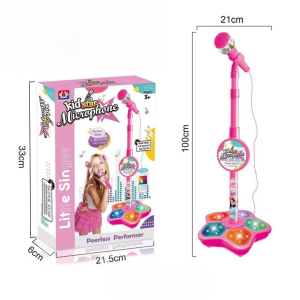
Audio Cool Lights Microphone Toys Portable Sing High Performance Home Users Multifunction Boys Girls

Halloween Little Red Riding Hood Dress: A Comprehensive Guide
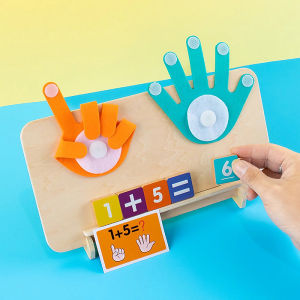
VREN Baby Felt Finger Numbers Math Toy: A Fun & Educational Game for Age 3+ Boys & Girls
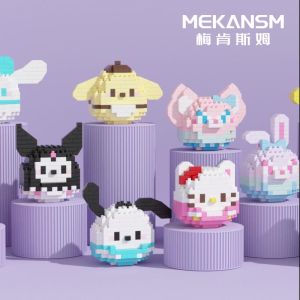
【Ready Stock】3D Mini Building Block Cute Character Model Nano Block Cartoon block Toys 微颗粒/积木/摆件/玩具礼物/模型
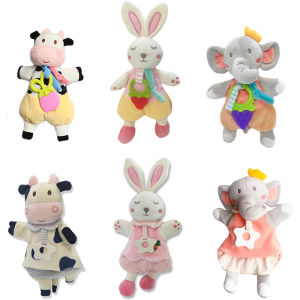
Infant Baby Cute Bunny Elephant Lion Playmate Plush Doll Toys Kids Cartoon Animals Hand Finger Puppets Toy Newborn Blankie

GENDER REVEAL CONFETTI POPPERS COLOR SMOKE HIGH QUALITY PARTY SUPPLIES
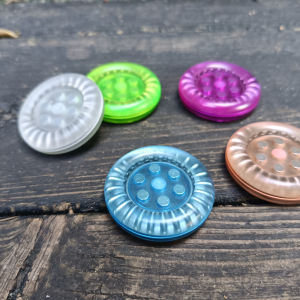
Colorful PEI material fidget spinner adult EDC sensory toys autism anti-stress toys ADHD hand crank gyroscope to relieve anxiety

MONLEYTA | Inflatable Bell Toy For Babies Rolling Crawler Walking Guiding Suitable For 6 Months And Above 0 To 1 Year Old Children
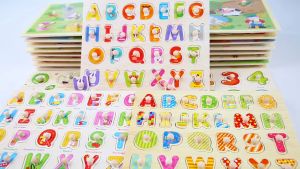
Educational Toys For Kids Wooden Early Development Toy #MTF
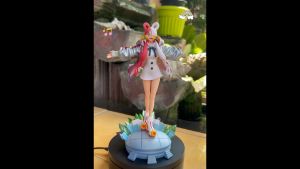
One Piece Uta Action Figure: Eco-friendly PVC Material, Perfect Design for Hobby Collections Toy Statue (22 cm)