


12V & 24V Quick Disconnect Car Battery Cable: A Comprehensive Guide
12V & 24V Quick Disconnect Car Battery Cable: A Comprehensive Guide
What Are Quick Disconnect Car Battery Cables?
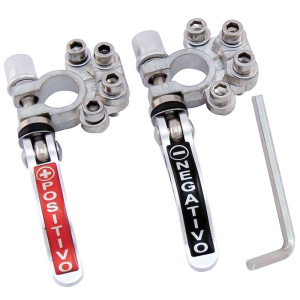
Quick disconnect car battery cables are essential components used in vehicles, boats, tractors, and other equipment that rely on a stable power supply from a battery. These cables are designed to provide a reliable and secure connection between the battery and the vehicle's electrical system. They feature quick disconnect terminal connectors that allow for easy installation and removal without the need for tools.
Key Features of Quick Disconnect Car Battery Cables
- Compatibility: Our 12V & 24V quick disconnect car battery cables are compatible with a wide range of vehicles, including cars, trucks, boats, and tractors.
- Durability: Made from high-quality materials, these cables can withstand harsh weather conditions and vibrations, ensuring long-lasting performance.
- Ease of use: The quick disconnect terminal connectors make it simple to install and remove the cables, even for those who lack extensive mechanical knowledge.
Applications of Quick Disconnect Car Battery Cables
Quick disconnect car battery cables have numerous applications, including:
- Vehicle maintenance: Easily remove the battery for cleaning, testing, or replacement without disconnecting the entire electrical system.
- Boat and RV use: Securely connect the battery to the boat or RV's electrical system while allowing for easy access during maintenance.
- Tractor and agricultural equipment: Connect the battery to the tractor's electrical system, providing power to essential components such as headlights, instruments, and accessories.
How to Install Quick Disconnect Car Battery Cables
Installing quick disconnect car battery cables is a straightforward process that can be completed in just a few steps.
Preparing for Installation
Before installing the cables, ensure you have the following:
- Safety gear: Wear gloves and safety glasses to protect yourself during installation.
- Battery terminal cleaner: Clean the battery terminals before installation to ensure a secure connection.
Installing the Main Cable
- Identify the positive (+) and negative (-) terminals on the battery.
- Slide the appropriate cable onto the corresponding terminal, ensuring a snug fit.
- Secure the cable by tightening the included nut or bolt.
Connecting the Terminal Connectors
- Attach the positive (+) and negative (-) terminal connectors to the vehicle's electrical system.
- Ensure the connections are secure and free from any debris or corrosion.
Troubleshooting Common Issues
If you encounter issues with your quick disconnect car battery cables, try the following solutions:
Incorrect Installation
- Double-check the polarity of the connections.
- Verify that the cables are securely attached to both the battery and the vehicle's electrical system.
Loose Connections
- Tighten the nuts or bolts securing the cables to the battery terminals.
- Clean the battery terminals and reattach the cables if necessary.
Compatibility Issues
- Check the specifications of your vehicle's electrical system to ensure the cables are compatible.
- Consult the manufacturer's guidelines for proper installation and usage.
Conclusion
Quick disconnect car battery cables are an essential component for maintaining a reliable power supply in vehicles, boats, tractors, and other equipment. By following the installation instructions and troubleshooting tips provided in this guide, you can ensure a secure and efficient connection between your battery and electrical system. Remember to always prioritize safety during installation and maintenance.

Silver River
You May Also Like

GECA HILUX REVO 2015+ BODY CLADDING RBC05 BLACK (11709)
Aluminum Lifting Handle Mould Bar Motorcycle Lifting Lever Assist Bar for R 1200 GS LC/Adventure Replacement Accessories
SEAMETAL Car Windshield Cover Summer Sunshade Protector Waterproof Dust-proof Window Tint with 9pcs Magnetic Sun Shade
PRO Rechargeable Wireless Car Washer 24VF/48VF Lithium Battery Portable High Pressure Washer
Carbon Canister Electromagnetic Control Valve Suitable for Buick GL8 2011-2018 Electrical System Car Parts And Accessories
High-End Car Decorative Stickers: Metal Dashboard & Personalized Steering Wheel Decals
Toyota Corolla Cross 2020-2023 & 2024 Door Handle Cover: Exterior Decoration Accessories
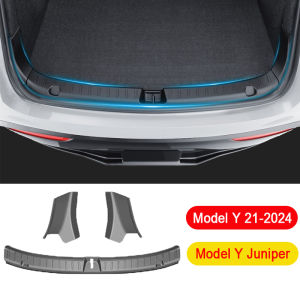
Rear Trunk Sill Cover For Tesla Model Y Juniper Launch 2025 2026 Trunk Sill Protector Mats TPE Loading Guard Side Insert Trims

Yadea DE8 Electric Vehicle Seat Cover Retro Color Battery Car Seat Cushion Scratch Resistant Waterproof Thickened Non-Slip Leather
Car Air Outlet Dust Removal Brush Car Cleaning Brush PC Keyboard Cleaning Brush
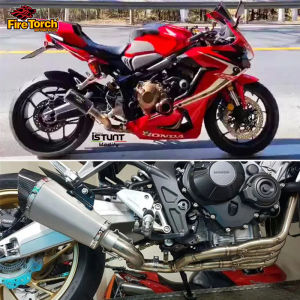
Full Systems Motorcycle Exhaust Muffler Front Mid Pipe 50.8mm Modified Motorcross Slip on for HONDA CBR650 CB650R CB650F CBR660R 2014-2021