

Traction Neck Guard: A Comprehensive Guide to Lightweight Neck Support

Traction Neck Guard: A Comprehensive Guide to Lightweight Neck Support

What is a Neck Brace Cervical Collar?

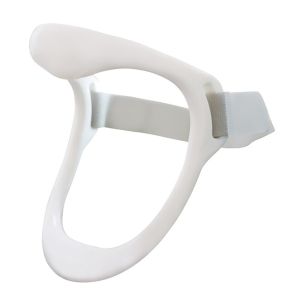
A neck brace cervical collar, also known as a traction neck guard, is a medical device designed to provide support and stabilization to the neck. It can help alleviate pain and discomfort caused by neck injuries, strains, or conditions such as whiplash, herniated discs, or cervical spondylosis. These devices come in various types, each designed to cater to different needs and preferences.

Types of Neck Braces Available

There are several types of neck braces available in the market, including:

  • Soft cervical collars: These are made of foam or gel and provide gentle support to the neck.
  • Rigid cervical collars: These are made of hard plastic and offer more rigid support to the neck.
  • Sterno-occipital mandibular immobilization device (SOMI): This type of collar is designed to immobilize the head and neck in cases of severe injuries.
  • Philadelphia collars: These are soft collars that provide moderate support to the neck.

Benefits of Using a Neck Brace

Using a neck brace can provide several benefits, such as:

  • Pain relief: Neck braces can help alleviate pain caused by injuries or conditions affecting the neck.
  • Stabilization: They can help stabilize the neck and prevent further damage.
  • Support: Neck braces can provide support to the neck, allowing it to heal properly.

How to Choose the Right Neck Brace

Choosing the right neck brace depends on several factors, including the severity of the injury, the condition being treated, and personal preferences. Here are some factors to consider when selecting a neck brace:

  • Severity of the injury: A more severe injury may require a more rigid neck brace, while a less severe injury may benefit from a softer collar.
  • Condition being treated: Different conditions may require different types of neck braces. For example, whiplash may benefit from a soft collar, while a herniated disc may require a more rigid brace.
  • Personal preferences: Some people may prefer a soft collar for comfort, while others may prefer a rigid brace for stability.

Comparing Different Types of Neck Braces

It's important to compare different types of neck braces before making a decision. Here's a comparison of some common types of neck braces:

| Type of Neck Brace | Description | Benefits | | --- | --- | --- | | Soft cervical collar | Made of foam or gel | Gentle support, comfortable | | Rigid cervical collar | Made of hard plastic | More rigid support, stabilizes neck | | SOMI | Immobilizes head and neck | Severe injuries, provides maximum stability | | Philadelphia collar | Soft collar | Moderate support, comfortable |

How to Use a Traction Neck Guard

Using a traction neck guard correctly is essential to ensure maximum effectiveness. Here are some tips on how to use a traction neck guard:

Correct Placement of the Traction Neck Guard

To place the traction neck guard correctly, follow these steps:

  1. Sit or lie down in a comfortable position.
  2. Place the traction neck guard around your neck, making sure it's centered and snug.
  3. Adjust the straps to ensure a secure fit.
  4. Check that the traction neck guard is positioned correctly and isn't causing discomfort.

Duration and Frequency of Use

The duration and frequency of use depend on the severity of the injury or condition being treated. It's important to follow the instructions provided by your healthcare provider. Generally, it's recommended to wear the traction neck guard for short periods throughout the day, gradually increasing the duration as needed.

Repairing and Maintaining Your Neck Brace

Maintaining your neck brace is essential to ensure it continues to provide effective support. Here are some tips on how to repair and maintain your neck brace:

Cleaning and Disinfecting Your Neck Brace

It's important to clean and disinfect your neck brace regularly to prevent the buildup of bacteria and other contaminants. Here's how to clean and disinfect your neck brace:

  1. Remove any removable parts, such as straps or covers.
  2. Wash the neck brace with mild soap and water.
  3. Rinse thoroughly and air dry.
  4. Disinfect the neck brace using a disinfectant solution.

Troubleshooting Common Issues

Here are some common issues that may arise when using a neck brace and how to troubleshoot them:

  • Discomfort: If you experience discomfort while wearing the neck brace, adjust the straps or try a different type of collar.
  • Allergic reaction: If you experience an allergic reaction, discontinue use and consult your healthcare provider.
  • Loose fit: If the neck brace is loose, adjust the straps or try a smaller size.

Conclusion

A traction neck guard can provide effective support and stabilization to the neck, helping alleviate pain and discomfort caused by injuries or conditions affecting the neck. By choosing the right type of neck brace, using it correctly, and maintaining it properly, you can ensure maximum effectiveness and comfort.

susan1188

susan1188

Seller ratings 96%

Review

Oops
This video has no reviews.

You May Also Like