



Crimp Terminals for Electrical Wiring: A Comprehensive Guide
Crimp Terminals for Electrical Wiring: A Comprehensive Guide
Introduction to Crimp Terminals & Connectors
What Are Crimp Terminals?
Crimp terminals are small metal components used to connect wires together or to connect wires to electrical components. They play a crucial role in ensuring a secure and reliable connection in electrical wiring. Crimp terminals come in various sizes and types, making them suitable for different applications.
Insulated Male & Female Connectors
Insulated male and female connectors are types of crimp terminals that provide a secure connection between two wires or between a wire and an electrical component. They feature a male end and a female end, allowing for easy insertion and removal. Insulation protects the terminal from external factors such as moisture and corrosion, ensuring a long-lasting connection.
Various Sizes of Crimp Terminals Explained
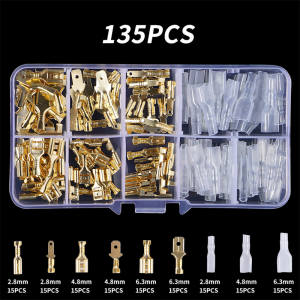
Crimp terminals come in various sizes, measured in millimeters, to accommodate different wire gauges. Common sizes include 2.8mm, 4.8mm, and 6.3mm. It is essential to choose the correct size of crimp terminal based on the wire gauge to ensure a secure connection.
How to Choose the Right Crimp Terminal
Understanding Wire Harnesses & Crimp Rings
Wire harnesses are bundles of wires used to connect multiple electrical components. Crimp rings are used to secure the wires within the harness, ensuring they remain organized and protected. When choosing crimp terminals for wire harnesses, consider the number of wires and their gauge to determine the appropriate size and type of crimp terminal.
Crimping Tools for Wire Connections
Crimping tools are essential for creating secure connections using crimp terminals. They come in various types, including manual and hydraulic crimpers. Manual crimpers are ideal for smaller projects, while hydraulic crimpers offer greater force and precision for larger projects. When selecting a crimping tool, consider the size and type of crimp terminals being used.
Selecting the Correct Size & Type
Choosing the correct size and type of crimp terminal is crucial for creating a secure connection. Factors to consider include wire gauge, application, and environmental conditions. Refer to the manufacturer's guidelines for specific recommendations.
How to Use Crimp Terminals & Connectors
Preparing Your Tools & Materials
Before beginning a project involving crimp terminals, gather all necessary tools and materials, including crimp terminals, wire strippers, crimping tools, and wire cutters. Ensure all tools are clean and in good working condition.
Proper Techniques for Crimping & Connecting
To create a secure connection using crimp terminals, follow these steps:
- Strip the insulation from the wire, exposing the desired length of bare wire.
- Insert the exposed wire into the crimp terminal, ensuring it is fully seated.
- Use the appropriate crimping tool to apply even pressure to the crimp terminal, securing the wire in place.
- Inspect the crimped connection to ensure it is secure and properly formed.
Troubleshooting Common Issues
Common issues when using crimp terminals include loose connections, damaged wires, and improper crimping techniques. To troubleshoot these issues, refer to the manufacturer's guidelines and consult online resources for troubleshooting tips.
Conclusion & Final Thoughts
Crimp terminals play a vital role in electrical wiring, providing secure and reliable connections between wires and electrical components. By understanding the different types and sizes of crimp terminals, selecting the appropriate tools, and using proper techniques, you can create high-quality connections that will last for years.

TOOLIX
Review
You May Also Like
48V Brushless Cordless Electric Impact Wrench&Drilling 2IN1 Power Tools Ratchet Wrench Drill Screwdriver
Strong Bearing Capacity No Drilling Table Edge Bookbag Hook Student Bag Special Stand Iron Material No Trace Dormitory Hanging Hooks
Quick Seal Flexible Rubber Original Coating Waterproof Spray Sealant Leak Sealer (450ml)
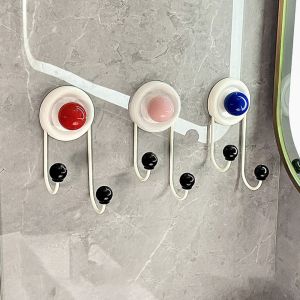
RIN9353 3Pcs Household Hang Hooks Wall Hanging Traceless Shower Hooks Multifunctional Self-adhesive Punch Free Wall Hooks Door Entrance
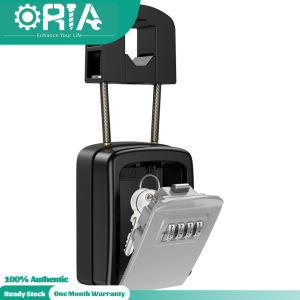
ORIA Key Lock Box: A Sturdy Storage Solution for House, Office & Gym
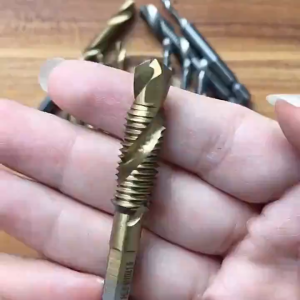
ZC 6pc M3-M10 HSS Drill and Tap Bits Titanium Coated 1/4" Hex Shank for Metal Working Metric Thread
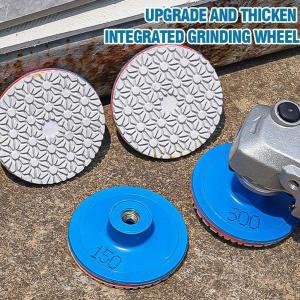
50/150/300/500 mesh Diamond Disc for Trimming and Polishing Marble Granite Stone - Wet or Dry Use
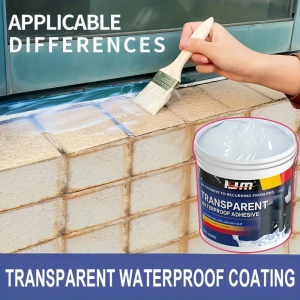
Upgraded Transparent Waterproof Liquid Rubber Coating - Fast-Drying 1K Sealant for RV and Indoor Leak Repair Durable Plastic
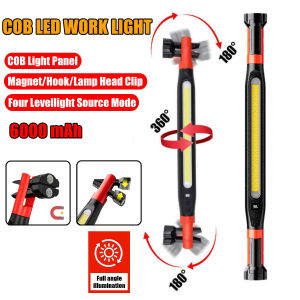
COB Work Light Strong LED Portable Work Lamp Automotive Repair Work Lights Work Light Magnetic Flashlight Rechargeable Waterproof Work Light For Car
10M 1 Roll Teflon Tape 300℃ High Temperature Resistance Non-Stick 0.13MM PTFE Tape Practical
Rc-203 Chemical Mask Filter RefillApplied To Np 306 Np 305