


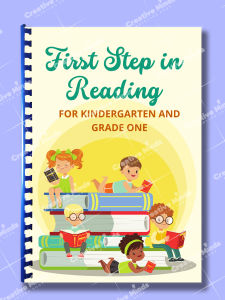
First Step in Reading for Kindergarten and Grade One
First Step in Reading for Kindergarten and Grade One
Reading is an essential skill that opens doors to learning, creativity, and personal growth. This guide aims to provide parents, educators, and caregivers with valuable insights and practical tips to support children in their early reading journey, specifically focusing on kindergarten and grade one.
Early Childhood Literacy: Building a Strong Foundation
What is Early Childhood Literacy?
Early childhood literacy refers to the foundational skills and knowledge that children acquire before they enter formal schooling. These skills include recognizing letters, understanding sounds, and developing an interest in books and stories. By fostering these abilities, we lay the groundwork for future academic success and lifelong learning.
Why is Early Childhood Literacy Important?
Investing in early childhood literacy has far-reaching benefits. Research shows that children who develop strong literacy skills at a young age tend to perform better academically, have higher self-esteem, and enjoy a richer social life. Moreover, early literacy lays the foundation for critical thinking, problem-solving, and creativity.
How to Support Early Childhood Literacy at Home
Parents and caregivers play a crucial role in nurturing early childhood literacy. Here are some practical tips:
- Read aloud daily to your child
- Create a cozy reading nook with comfortable seating and a variety of books
- Encourage your child to retell stories in their own words
- Ask open-ended questions about the story
- Make connections between the story and real-life experiences
Beginning Reader Books: Choosing the Right Materials
What Are Beginning Reader Books?
Beginning reader books, also known as early readers, are specially designed to help young children transition from picture books to more complex texts. These books typically feature simple sentences, repetitive patterns, and familiar themes that cater to the interests and abilities of kindergarten and grade one students.
How to Select Age-Appropriate Reading Materials
When choosing reading materials for your child, consider the following factors:
- Interest level: Does the book appeal to your child's interests and experiences?
- Readability: Is the text appropriate for your child's reading level?
- Illustrations: Do the illustrations support comprehension and engagement?
Recommended Reading Lists for Kindergarten & Grade One
Here are some popular beginning reader books that are perfect for kindergarten and grade one students:
- The Cat in the Hat by Dr. Seuss
- Green Eggs and Ham by Dr. Seuss
- Brown Bear, Brown Bear, What Do You See? by Bill Martin Jr.
- Curious George series by H.A. Rey
- Frog and Toad series by Arnold Lobel
Grade One Reading Guide: Navigating the Next Steps
What Skills Should Children Have by the End of Kindergarten?
By the end of kindergarten, children should be able to:
- Recognize and write letters and numbers
- Identify common sight words
- Understand basic phonics rules
- Retell stories and make predictions
- Read simple sentences with fluency and accuracy
How to Support Reading Progression in Grade One
As children progress to grade one, they will continue to develop their reading skills. Here are some strategies to support their growth:
- Encourage independent reading at home
- Provide opportunities for children to read aloud
- Teach strategies for decoding unfamiliar words
- Discuss the story's plot, characters, and themes
- Connect reading to other subjects, such as math and science
Tips for Encouraging Independent Reading
Independent reading is essential for developing strong reading habits and fostering a love for literature. Here are some tips to encourage independent reading:
- Set aside dedicated time for reading each day
- Create a comfortable reading space
- Offer a variety of genres and formats, including picture books, chapter books, and graphic novels
- Celebrate reading milestones and accomplishments
- Be a role model by reading yourself
By following these guidelines, you can help your child take their first steps in reading and set them on a path toward lifelong learning and success.

CREATIVEMINDS LEARNING HUB
You May Also Like

KW-TRIO 3in1 Mini Corner Puncher Round Corner Trimmer Cutter Puncher for Paper Photo Card DIY Scrapbooking Craft Tools Kw Trio Corner Rounder Punch Three Corners - Lazada
Large Roll Child Embroidery Thread: A Comprehensive Guide
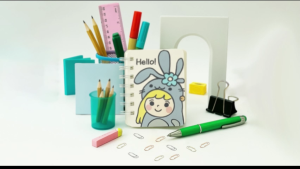
iPrintph Metal Paper Clips Photo Letter Binder Clip Bookmarks School Supplies Stationery Office Accessories
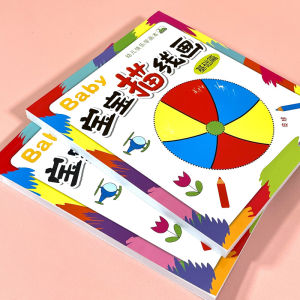
Childrens Coloring Book Tracing Dotting Drawing Enlightenment Toy for Toddler Kids Learning to Draw Focus Training
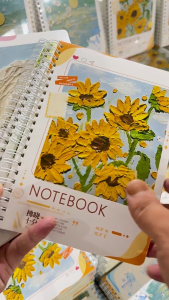
【NEW STOCK】1PCS-A5 Spiral Notebook Coil Landscape Aesthetic Classroom Student School Office Supplies
MGK MPE-7 Mesh Envelope Long
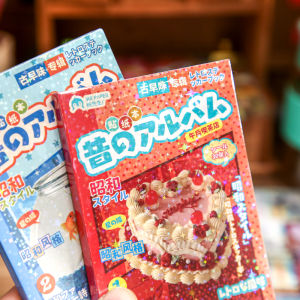
30sheets Showa Fantasy Series Kawaii Flash Die Cut Sticker Book DIY Junk Journal Diary Scrapbooking Material Stationery Stickers
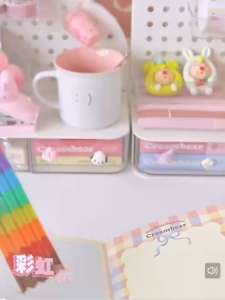
Detachable pencil-4PCS set magic pencil school supplies Stationery pencil for kids cute
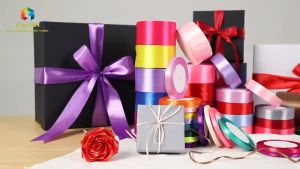
Fly.PH | 25Yards/22m/Roll 5cm Ribbon Satin Ribbon Decorative Ribbon Gift Packaging Ribbon Roll
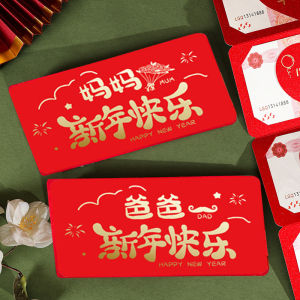
Creative Foldable Snake Year Red Envelope: A Personalized New Year Gift for Mom & Dad
Long Double-Head Marking Pen No-Cap Dry Oil Quick-Drying Waterproof for Woodworking Bathroom Tiles Deep Hole Marking Pen