



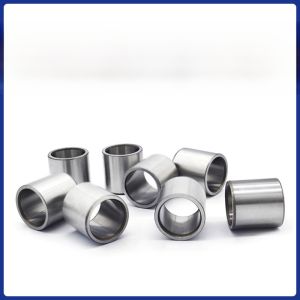
Wear Resistant Bearing Steel Sleeve Bushing for Hardware Tools with Outer Diameter of 14 15 16 18 20mm And Inner Diameter of 12 14 15mm
Wear Resistant Bearing Steel Sleeve Bushing for Hardware Tools with Outer Diameter of 14 15 16 18 20mm And Inner Diameter of 12 14 15mm
Introduction to High Performance Sleeve Bushings
Sleeve bushings are essential components used in hardware tools and machinery to provide wear resistance, reduce friction, and enhance overall performance. High-performance sleeve bushings, such as wear-resistant bearing steel sleeve bushings, are designed to withstand harsh operating conditions and prolong the lifespan of your equipment.
Understanding Wear Resistant Materials
Wear-resistant materials are crucial for sleeve bushings to maintain their functionality and durability. High-performance sleeve bushings are typically made from high-quality bearing steel, which offers excellent wear resistance, strength, and corrosion resistance. This ensures that the bushing can endure heavy loads and high-speed operations without compromising its performance.
Key Features of High Performance Sleeve Bushings
High-performance sleeve bushings offer several key features that make them ideal for hardware tools and machinery applications:
- Wear Resistance: The wear-resistant bearing steel material ensures that the bushing can withstand heavy loads and high-speed operations without wearing out quickly.
- Strength: The high-strength bearing steel provides excellent load-carrying capacity, making it suitable for demanding applications.
- Corrosion Resistance: The corrosion-resistant properties of the material protect the bushing from rust and corrosion, ensuring long-lasting performance.
- Ease of Installation: Sleeve bushings are easy to install and maintain, making them a popular choice among hardware tool users.
Applications & Benefits of Sleeve Bushings
Sleeve bushings have a wide range of applications in hardware tools and machinery, including:
- Power Tools: Sleeve bushings are used in power tools such as drills, saws, and grinders to reduce friction and wear.
- Hand Tools: Sleeve bushings are also used in hand tools such as wrenches, pliers, and screwdrivers to enhance their performance and longevity.
- Machinery: Sleeve bushings are used in various types of machinery, including pumps, compressors, and conveyors, to reduce wear and improve efficiency.
How to Choose the Right Size for Your Tool
Choosing the right size sleeve bushing is crucial for optimal performance and longevity. It is essential to consider the outer diameter (OD) and inner diameter (ID) of the bushing to ensure compatibility with your hardware tool. In this article, we will focus on sleeve bushings with outer diameters of 14mm, 15mm, 16mm, 18mm, and 20mm, and inner diameters of 12mm, 14mm, and 15mm.
Improving Efficiency & Longevity with Sleeve Bushings
Sleeve bushings play a vital role in improving the efficiency and longevity of hardware tools and machinery. By reducing friction and wear, sleeve bushings help maintain optimal performance levels, extend the lifespan of your equipment, and ultimately save you money on maintenance and replacement costs.
Installation & Maintenance Tips
Proper installation and regular maintenance are crucial for ensuring the optimal performance of sleeve bushings.
Proper Installation Techniques for Sleeve Bushings
To ensure proper installation of sleeve bushings, follow these steps:
- Clean the mating surfaces thoroughly before installation.
- Apply a thin layer of lubricant to the inner surface of the bushing.
- Insert the bushing into the housing, making sure it is properly aligned.
- Secure the bushing in place using appropriate fasteners.
Regular Maintenance to Ensure Optimal Performance
Regular maintenance is essential for keeping sleeve bushings in top condition. Follow these tips to ensure optimal performance:
- Clean the mating surfaces regularly: This helps prevent debris buildup and reduces wear.
- Inspect the bushing periodically: Check for signs of wear or damage, and replace the bushing if necessary.
- Lubricate the bushing: Apply a thin layer of lubricant to the inner surface of the bushing to reduce friction and wear.
Troubleshooting Common Issues
Sleeve bushings may experience issues such as excessive wear, noise, or vibration. Identifying these problems early on can help prevent further damage and extend the lifespan of your equipment.
Identifying Problems with Sleeve Bushings
Some common issues with sleeve bushings include:
- Excessive Wear: If the bushing shows signs of excessive wear, it may need to be replaced.
- Noise or Vibration: Noise or vibration during operation may indicate misalignment or damage to the bushing.
Solutions for Common Issues & Warnings
To address these issues, follow these steps:
- Replace the Bushing: If the bushing shows signs of excessive wear, replace it with a new one to prevent further damage.
- Check Alignment: If noise or vibration is present, check the alignment of the bushing and adjust if necessary.
- Lubricate the Bushing: Applying a thin layer of lubricant can help reduce noise and vibration caused by friction.
By following these guidelines, you can ensure the optimal performance and longevity of your sleeve bushings, ultimately saving you time and money on maintenance and replacement costs." }

TAO Hardware
You May Also Like
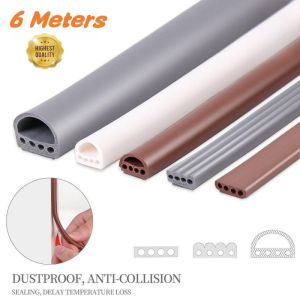
New 6M Silicone Rubber Weather Strip: A Comprehensive Guide

HOTBAO Garage Light Hexagon Lights Lamp 220V LED Tube Honeycomb Ceiling Lighting For Auto Car Body Repair LED Workshop
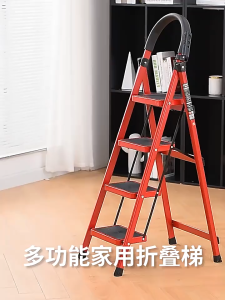
Household Aluminum Folding Step Ladder: A Comprehensive Guide

PHILIPS EasyKey DDL702-FVP-7HWS - Push-Pull Type Smart Door Lock
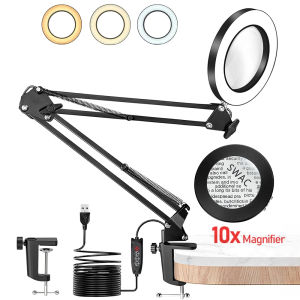
10X Magnifying Glass with Light and Stand with 72 LED Light and 3 Color Modes Lamp Illuminated Magnifying for Close Work
Maklta Original Nail gun Manual Steel Nails Gun For Concrete Rivet Tool Steel Rivet Gun Nail Punch
Ingco 16oz-48Oz Heavy Duty Ball Pein Hammer w/ Fiberglass Handle Drop-Forged Ball Peen For Metal IHT
60mm 80mm Universal Cast Steel Adjustable 2 Jaw Oil Filter Wrench Fuel Remover Removal Tool Two Claw Filter Wrenches

High Pressure Toilet Pump Plunger: Your Ultimate Bathroom & Kitchen Drain Solution
USB Cordless Rotary Tool Kit: A Comprehensive Guide
![[TOP]Universal Flexible Shaft Electric Screwdriver Batch Drill Bit Extension Rod](https://img.lazcdn.com/g/p/06846baf4fe833e9c06d2ce5216beb17.jpg_300x300q80.jpg)
[TOP]Universal Flexible Shaft Electric Screwdriver Batch Drill Bit Extension Rod