


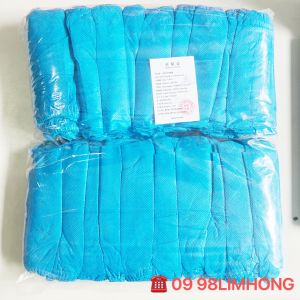
Disposable Shoe Cover (100pcs 50pairs)
Disposable Shoe Cover (100pcs 50pairs)
Disposable shoe covers, also known as foot protection covers, are essential items used in various industries to maintain hygiene and safety standards. This article will provide comprehensive information on disposable shoe covers, including their key features, applications, how to choose the right ones, proper usage, and maintaining hygiene and safety standards.
What Are Disposable Shoe Covers?
Disposable shoe covers are single-use, lightweight, and easy-to-wear footwear coverings designed to protect both the wearer and the environment they enter. They come in various sizes, materials, and designs, making them suitable for different applications and industries.
Key Features & Benefits
Some key features and benefits of disposable shoe covers include:
-
Easy to Wear: Shoe covers can be quickly and easily slipped onto any type of footwear, making them convenient for users.
-
Affordable: Being single-use, disposable shoe covers are cost-effective compared to reusable alternatives.
-
Hygienic: These covers help prevent cross-contamination by providing a barrier between the wearer's shoes and the environment.
-
Durable: Depending on the material used, some disposable shoe covers can withstand various environments and conditions.
-
Customizable: Shoe covers can be customized with logos, colors, and designs to meet specific brand requirements.
Applications & Industries
Disposable shoe covers are widely used in various industries, including healthcare, food processing, pharmaceuticals, manufacturing, and construction. They are essential in maintaining hygiene and safety standards in these environments.
How to Choose the Right Shoe Covers
When selecting disposable shoe covers, it is crucial to consider several factors to ensure the best fit and protection for your needs.
Size & Fit Considerations
Shoe covers come in different sizes to accommodate various footwear types. It is essential to choose the right size to ensure a snug fit that does not hinder movement or cause discomfort. Additionally, consider the type of shoes being worn, as some shoe covers may be better suited for certain footwear styles.
Material & Quality Factors
The material used in disposable shoe covers plays a significant role in their effectiveness and durability. Common materials include polyethylene, polypropylene, and vinyl. Each material has its advantages and disadvantages, so it is essential to choose the right one based on your specific requirements.
How to Properly Use Shoe Covers
Proper usage of disposable shoe covers is crucial to maximize protection and maintain hygiene standards. Follow these steps to ensure optimal performance:
Step-by-Step Guide
-
Prepare: Ensure the shoe covers are clean and free from any debris or contaminants.
-
Slip On: Carefully slip the shoe cover onto your footwear, ensuring it is securely fastened.
-
Inspect: Check the shoe cover for any tears or damage that may compromise its effectiveness.
-
Dispose: After use, dispose of the shoe cover properly according to industry regulations.
Tips for Maximizing Protection
-
Avoid Overuse: Do not reuse disposable shoe covers, as this may lead to contamination and reduced effectiveness.
-
Change Regularly: Depending on the environment and conditions, change shoe covers frequently to maintain hygiene standards.
-
Proper Storage: Store shoe covers in a clean, dry place to prevent contamination and maintain their quality.
Maintaining Hygiene & Safety Standards
Maintaining hygiene and safety standards is crucial in various industries, and disposable shoe covers play a vital role in achieving this goal.
Compliance with Industry Regulations
It is essential to comply with industry regulations and guidelines when using disposable shoe covers. This includes proper usage, disposal, and storage of the covers to ensure they meet the required standards.
Best Practices for Disposal
Proper disposal of disposable shoe covers is crucial to prevent contamination and maintain hygiene standards. Follow these best practices:
-
Segregate: Dispose of shoe covers separately from other waste materials to prevent cross-contamination.
-
Recycle: If possible, recycle shoe covers made from recyclable materials to reduce environmental impact.
-
Incinerate: Incinerate shoe covers that cannot be recycled to ensure proper disposal and minimize contamination risks.

ronghua.ph
Review

You May Also Like
INGCO LASER DISTANCE DETECTOR | HLDD0708 | TOOLS R TOYS | ING-POWERTOOLS
![[MERVIN]💖[HOT SALE]🎈🎈 2pcs/set New RF-SS-112DMF 12VDC WRG Relay](https://img.lazcdn.com/g/p/de533d7651b3dfd18c26fed0e01401af.jpg_300x300q80.jpg)
[MERVIN]💖[HOT SALE]🎈🎈 2pcs/set New RF-SS-112DMF 12VDC WRG Relay
10Pcs Cabinet Latch Door Drawer Push To Open System Damper Buffer Push Catch Kits Enhanced Style Soft Close Buffer

80CM Luxury Digital Depository Cash Fireproof Safe Box Brand New Safe Electronic Digital Safety Vaule

foldable table leg hinges metal leg hinges
MECHANIC GDR2 Multifunctional Polishing Pen: A Comprehensive Guide
Original Hualian Sealing Machine Parts Thermocouple for Continuous Sealing Machine Temperature Sensor 770I/810I/980I
REAIM Water Pump Heavy Duty Power Water Pumps For Flood Submersible Pump Submersible Water Pump 2hp 220V Motor Pump For Sprayer
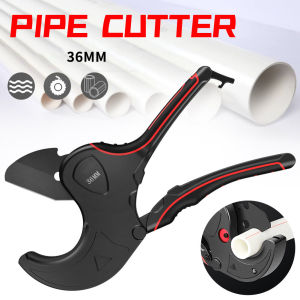
36MM Pipe Cutter: A Comprehensive Guide
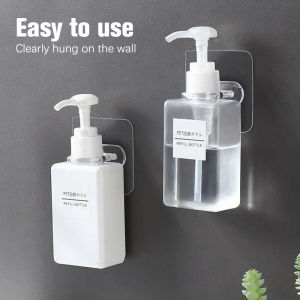
4/8Pcs Free Punching Seamless Paste Storage RackWallMounted Multifunctional Round Hooks Kitchen Bathroom Household Ring Hangers
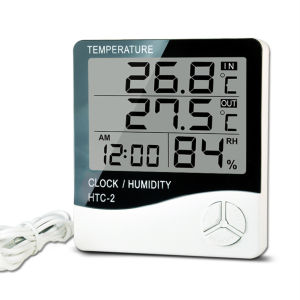
【Fast delivery】 Professional Digital Hygrometer for Accurate Indoor Climate Measurement with Large Screen Display