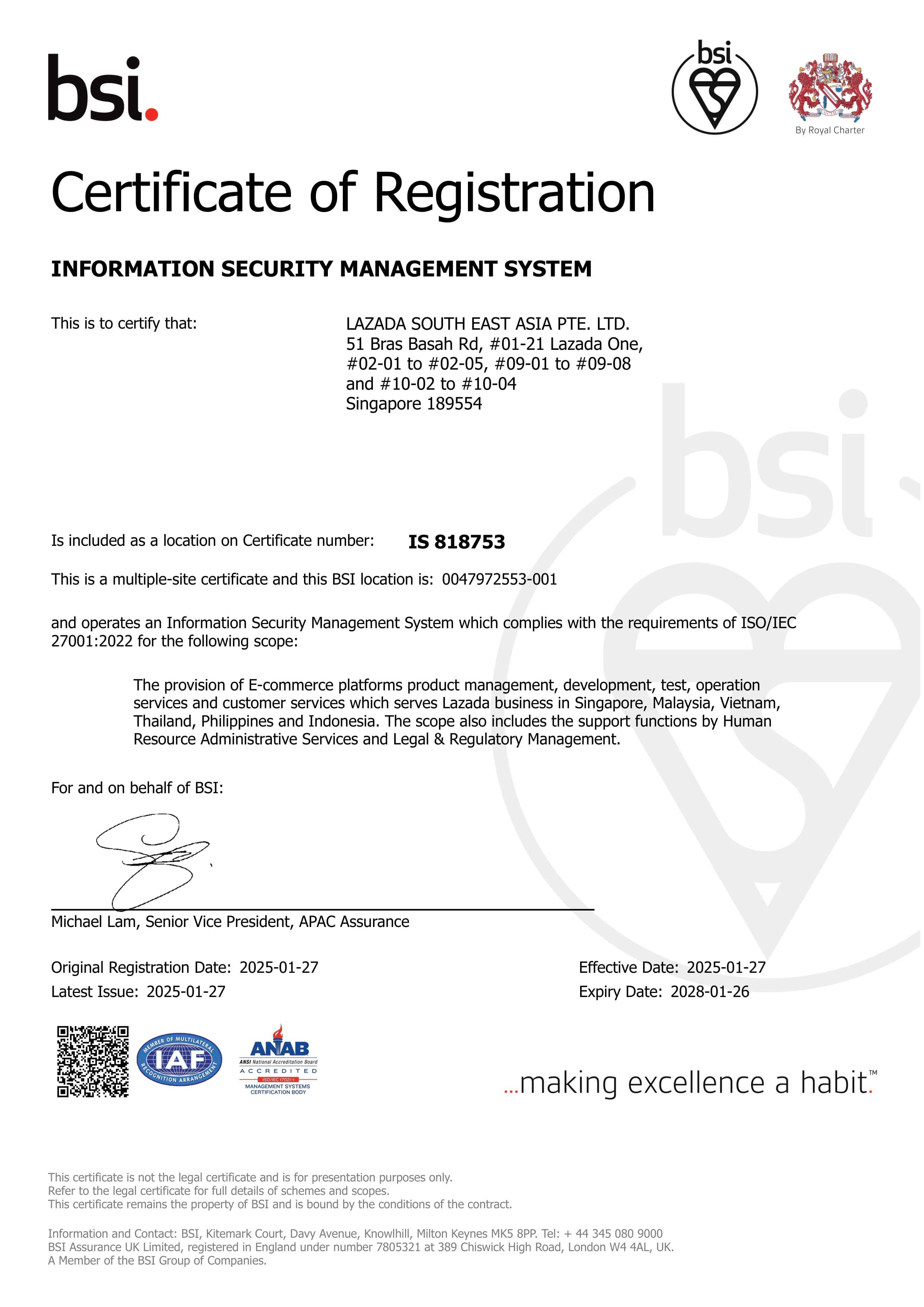



Tracheal Intubation Training Model: Enhancing Nursing Skills & Medical Teaching
Tracheal Intubation Training Model: Enhancing Nursing Skills & Medical Teaching
Understanding Tracheal Intubation Training Models
Key Features of Tracheal Intubation Training Models
Tracheal intubation training models are essential tools designed to simulate real-life scenarios and provide hands-on experience for medical professionals. These models feature realistic anatomical structures, allowing students to practice endotracheal tube placement, airway management, and other critical skills necessary for effective patient care.
Benefits of Using Tracheal Intubation Training Models
Using tracheal intubation training models offers numerous benefits for both nursing students and medical educators. By providing a safe environment to practice and refine their skills, these models help build confidence and competence among healthcare providers. Additionally, they enable instructors to assess student performance and identify areas for improvement, ultimately enhancing overall patient safety and outcomes.
Types of Tracheal Intubation Training Models
There are various types of tracheal intubation training models available, catering to different learning styles and educational needs. Some popular options include:
- Manikins with adjustable neck positions
- Simulators with interchangeable airways
- Virtual reality-based training platforms
How to Choose the Right Tracheal Intubation Training Model
Factors to Consider When Selecting a Training Model
When choosing a tracheal intubation training model, consider the following factors:
- Realism: Does the model accurately represent human anatomy?
- Interactivity: Can users manipulate the model to simulate different scenarios?
- Customizability: Are there options for adjusting difficulty levels or incorporating specific medical conditions?
Evaluating the Quality of Tracheal Intubation Training Models
To ensure you select a high-quality tracheal intubation training model, look for the following features:
- Detailed anatomical accuracy
- Durable construction materials
- Easy-to-use design
- Comprehensive instructional resources
Cost-Effectiveness of Tracheal Intubation Training Models
While investing in tracheal intubation training models may seem expensive at first, the long-term benefits often outweigh the initial costs. These models provide a valuable return on investment by improving patient outcomes, reducing medical errors, and fostering a skilled workforce.
Enhancing Nursing Skills with Tracheal Intubation Training Models
Improving Endotracheal Tube Placement Skills
Tracheal intubation training models allow nursing students to practice proper endotracheal tube placement techniques, including visualization of landmarks, manipulation of the laryngoscope, and securing the tube. This hands-on experience helps build muscle memory and enhances overall proficiency.
Developing Effective Communication Skills
Effective communication is crucial in healthcare settings, particularly during emergency situations. Tracheal intubation training models provide opportunities for students to practice verbal and nonverbal communication skills, fostering teamwork and collaboration among healthcare providers.
Fostering Critical Thinking and Problem-Solving Abilities
Simulation-based learning using tracheal intubation training models encourages students to think critically and solve problems creatively. By exposing them to various scenarios and challenges, these models help develop adaptive thinking and decision-making skills.
Integrating Tracheal Intubation Training Models into Medical Teaching
Incorporating Training Models into Curriculum
Integrating tracheal intubation training models into the curriculum ensures that students receive consistent exposure to these essential skills throughout their education. By embedding simulation-based learning activities into existing courses, educators can reinforce key concepts and promote skill retention.
Using Training Models for Simulation-Based Learning
Simulation-based learning using tracheal intubation training models provides a realistic and immersive learning experience for students. By simulating real-world scenarios, these models help bridge the gap between theory and practice, preparing students for success in their future careers.
Measuring the Impact of Training Models on Student Performance
Evaluating the effectiveness of tracheal intubation training models is essential for continuous improvement. By tracking student performance metrics, such as time to successful intubation or number of attempts required, educators can assess the impact of these models on learning outcomes and make informed decisions about future investments.

GBooster
Review
You May Also Like
5 Sizes of Pressure Ulcer Patches silicone Gel Dressings Adhesive Bandages for Bedsores Pressure Ulcer Stickers Acrococcygeal Buttock Wound Dressings Large Waterproof Patches

Disposable Wearable Self-Heating Hand Warmer Patch Portable Student Winter Warmth Essential Heat Therapy Foot Warmth Bag

(INS-J) Sterile Gauze Pad 4x4x8 (1 box-100 pcs)(Partners)

Painless Wart Removal Cream: A Comprehensive Guide
10pcs/ 20pcs Pediatric One-piece Drainable Colostomy Bagostomy bag for kids Odor-free Stoma Care Bags 15-40mm size

Natures Way High Strength IRON + Vitamin C & B12 (30Tablets)

Smart Electronic Rechargeable Weight Scale Health Fitness Body Fat Analyzer Home Use Slimming Tool Dormitory Use Weighting

Elgine Supergreens Coffee - 12x Organic Plant-Based Superfoods for Natural Energy & Lung Support
Series and Parallel Circuit Experiment Device Electronics Experiment Board For School Lab Classroom Physics Teaching Aid
AiQUE Finger Pulse Oximeter Medical Grade SpO2 Monitor TFT Portable Blood Oxygen Saturation Monitor for Adults Seniors
Portable IV Pole Drip Bag Stand Intravenous Foldable for Clinic Home Care Drink Dispenser Stand Water Dispenser With Stand - Lazada