


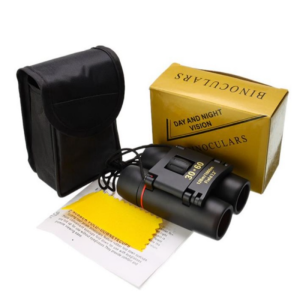
Telescope Binoculars Long Range 80X80 Night Vision HD Ultra-Clear Red Film Binocular Telescope with Coordinates Telescope Day And Night Vision Binoculars Telescope Night Vision Military
Telescope Binoculars Long Range 80X80 Night Vision HD Ultra-Clear Red Film Binocular Telescope with Coordinates Telescope Day And Night Vision Binoculars Telescope Night Vision Military
Understanding the Basics
What is a Long Range Telescope Binocular?
A long-range telescope binocular is a versatile optical instrument designed to provide a magnified view of distant objects, making it ideal for various applications such as wildlife observation, stargazing, and military surveillance. These binoculars typically feature high magnification and large objective lenses to gather ample light, ensuring clear and crisp images even in low-light conditions.
What are Day & Night Vision Binoculars?
Day and night vision binoculars are specialized optical devices that combine the advantages of both daytime and nighttime viewing capabilities. Equipped with advanced image intensifier technology, these binoculars amplify available light to produce clear, high-contrast images, allowing users to observe objects in low-light environments without compromising visibility during the day.
What is an Ultra-Clear Red Film Telescope?
An ultra-clear red film telescope is a type of optical device that utilizes a red film filter to enhance contrast and reduce glare while observing celestial bodies or other distant objects. This feature is particularly useful during nighttime observations, as it helps minimize eye strain and improve visibility.
Choosing the Right Telescope Binocular
How to Select Military Grade Binocular Telescopes
When choosing military-grade binocular telescopes, it's essential to consider factors such as durability, waterproofing, and image quality. Military-grade binoculars are designed to withstand harsh conditions and offer superior performance, making them ideal for professional use.
Comparing 80X80 Night Vision Binoculars
The 80X80 night vision binoculars are known for their impressive magnification capabilities and large objective lenses, which allow users to observe distant objects with exceptional clarity, even in low-light environments. However, it's crucial to note that higher magnification can sometimes result in reduced field of view and increased sensitivity to movement.
Key Features to Look For
When selecting a telescope binocular, pay attention to the following key features:
- Magnification power
- Objective lens diameter
- Eye relief
- Field of view
- Interpupillary distance adjustment
- Waterproof and fogproof construction
- Image stabilization
How to Use Your Telescope Binoculars
Setting Up Your Telescope Binoculars
Before using your telescope binoculars, ensure they are properly set up. Adjust the interpupillary distance to match the distance between your eyes, and fine-tune the focus and diopter settings to achieve a sharp image. Additionally, if your binoculars have a tripod mount, attach them securely to the tripod for added stability.
Maximizing Day & Night Vision
To maximize day and night vision, adjust the binoculars' settings according to the lighting conditions. During the day, use the binoculars' daylight filter to reduce glare and improve contrast. At night, switch to the night vision mode, and utilize the ultra-clear red film filter to enhance visibility and reduce eye strain.
Reading Coordinates With Your Telescope Binoculars
Many telescope binoculars come equipped with a coordinate system, allowing users to accurately locate celestial objects or other distant landmarks. Familiarize yourself with the coordinate system and practice reading coordinates to improve your observational skills.
Maintaining Your Telescope Binoculars
Cleaning Your Telescope Binoculars
Regularly clean your telescope binoculars to maintain optimal performance. Use a soft, lint-free cloth to gently wipe the lenses and exterior surfaces, being careful not to apply excessive pressure or use abrasive materials.
Storing Your Telescope Binoculars
Store your telescope binoculars in a dry, cool location, away from direct sunlight and extreme temperatures. Consider using a protective case to shield them from dust and accidental damage.
Troubleshooting Common Issues
If you encounter any issues with your telescope binoculars, refer to the manufacturer's troubleshooting guide or contact their customer support for assistance. Some common problems include misalignment, fogging, and image distortion, which can often be resolved through proper maintenance and calibration.

10-Brand shop
You May Also Like
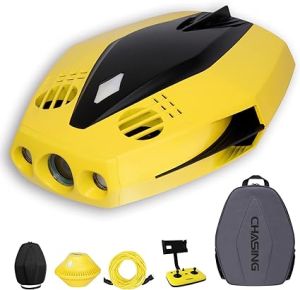
Chasing Dory Underwater Drone Set Smart Camcorders 1080P Full HD Underwater Photography ROV APP Remote Control Real-time Observation with Bluetooth Control Chasing Backpack
V380 Q16S: A Comprehensive Guide to Waterproof Night Vision & Rotatable 360° Security Camera
48 MP 4K HD Sport Action Camera with Dual Screens Battery 140 ° Wide Angle for Cycling Swimming Climbing and Outdoor Sports
SVBONY SA406 M42 Female to M42 Male Adapter for SA401/SV230/SV245/SC311/SC001 for Birdwatching moonwatching Scenery
Kids Instant Printing Camera 5 Color Printing Camera 1080P Thermal Print Toys Camera Print Photo Video Games Music Children Gift

tp-link Tapo C501GW Outdoor Pan/Tilt 4G LTE Camera | TP-Link Tapo by EJD
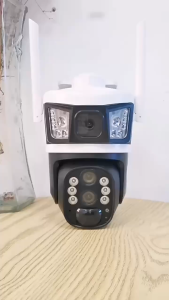
V380 Pro: A Comprehensive Guide to 10X Zoom 4G Sim Outdoor Wireless Camera
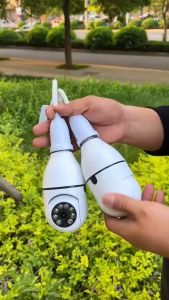
V380 PTZ cctv Bulb Camera wifi Connect To Cellphone Tracking Night Wireless CCTV IP Security Camera
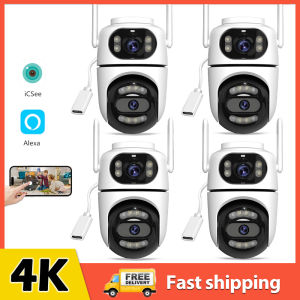
2pcs 4pcs Quantity Suite WiFi Camera 4K 8MP HD Security Protection PTZ IP Camera Dual Lens AI Tracking Video Surveillance iCsee
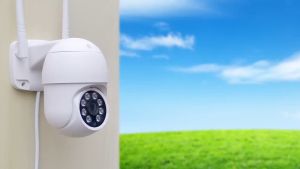
Outdoor IP Security Cameras: A Comprehensive Guide to CCTV Camera Connect Cellphone v380 Pro
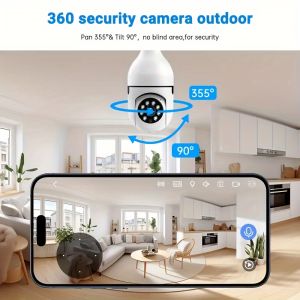
WiFi E27 Bulb Surveillance Camera: 360° Rotation & Night Vision Wireless Home Security