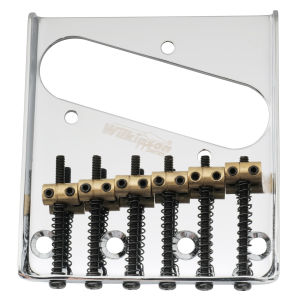



30-Watt Electric Guitar Amplifiers: A Comprehensive Guide
30-Watt Electric Guitar Amplifiers: A Comprehensive Guide
Electric guitar amplifiers are essential tools for guitarists, helping them produce a rich and powerful sound. In this guide, we'll explore the world of 30-watt electric guitar amplifiers, focusing on their types, key features, and how to choose the right one for your needs. We'll also cover setup, maintenance, and troubleshooting tips to help you get the most out of your amplifier.
What Are Electric Guitar Amplifiers?
Electric guitar amplifiers are electronic devices designed to amplify the sound produced by electric guitars. They come in various types, including solid-state, tube, and hybrid amplifiers. Each type has its unique characteristics, sound qualities, and benefits.
Types of Electric Guitar Amplifiers
-
Solid-State Amplifiers: These amplifiers use transistors to amplify the guitar signal. They're known for their reliability, durability, and low maintenance requirements.
-
Tube Amplifiers: Also called valve amplifiers, these devices use vacuum tubes to amplify the guitar signal. They're known for their warm, rich tone and are preferred by many guitarists for their vintage sound.
-
Hybrid Amplifiers: These amplifiers combine solid-state and tube technologies to offer the best of both worlds. They're often lighter, more portable, and easier to maintain than pure tube amplifiers.
Key Features of Electric Guitar Amplifiers
Electric guitar amplifiers come with various features, such as tone controls, effects loops, and built-in effects. Some common features include:
-
Volume and Tone Controls: These knobs allow you to adjust the volume and tone of your amplifier to suit your playing style and preferences.
-
Effects Loops: An effects loop allows you to connect external effects pedals, such as distortion, delay, and reverb, to your amplifier.
-
Built-in Effects: Many amplifiers come with built-in effects, such as reverb, delay, and chorus, to add variety to your sound.
How to Choose the Right 30-Watt Electric Guitar Amplifier
Choosing the right 30-watt electric guitar amplifier depends on your playing style, preferences, and budget. Here are some factors to consider:
Portable & Compact Guitar Amplifiers
If you're looking for a portable and compact guitar amplifier, consider solid-state or hybrid amplifiers. These amplifiers are lightweight, easy to carry, and provide enough power for small gigs, rehearsals, and home practice.
Acoustic Guitar Amplifiers
If you play both electric and acoustic guitars, consider an amplifier that can handle both types of instruments. Many amplifiers come with built-in acoustic guitar settings, which can help you achieve a natural and balanced sound.
Speaker Amplifiers for Electric Guitars
If you want a powerful and versatile amplifier, consider a speaker amplifier specifically designed for electric guitars. These amplifiers typically have higher wattage ratings and offer more features, such as multiple channels, built-in effects, and powerful speakers.
How to Set Up Your 30-Watt Electric Guitar Amplifier
Setting up your 30-watt electric guitar amplifier is straightforward. Follow these steps to get started:
Connecting Your Guitar to the Amplifier
Connect your guitar to the amplifier using a standard guitar cable. Make sure the cable is securely connected to both the guitar and the amplifier.
Adjusting the Volume & Tone Controls
Adjust the volume and tone controls to suit your playing style and preferences. Experiment with different settings to find the perfect sound.
Placing the Amplifier for Optimal Sound
Place the amplifier at the right height and angle to achieve optimal sound. Position the amplifier so that the speaker faces the audience or the room, and avoid placing it against walls or corners.
Tips for Maintaining Your 30-Watt Electric Guitar Amplifier
To keep your 30-watt electric guitar amplifier in top condition, follow these maintenance tips:
Cleaning & Storage
Clean your amplifier regularly using a soft, dry cloth. Store your amplifier in a cool, dry place away from direct sunlight, moisture, and extreme temperatures.
Troubleshooting Common Issues
If you encounter any issues with your amplifier, such as buzzing, distortion, or lack of volume, check the connections, settings, and power supply. Refer to the user manual or contact the manufacturer for further assistance.
Extending the Lifespan of Your Amplifier
To extend the lifespan of your amplifier, avoid overloading it with power, using it for extended periods, or exposing it to extreme temperatures. Regular maintenance and proper care can help your amplifier last for years.
In conclusion, choosing the right 30-watt electric guitar amplifier depends on your playing style, preferences, and budget. By considering the factors mentioned above and following the setup, maintenance, and troubleshooting tips, you can get the most out of your amplifier and enjoy a rich and powerful sound.

DTD store
You May Also Like

ALPHA OMEGA - ESOTERIC BOOK OF ALPHA OMEGA

The 7 Habits of Highly Effective Teens Paperback – Illustrated by Sean Covey Original English books
![[COD] CISWGE SPORTS Kids Percussion Drum Wood Toy Set With Carry Strap Music Instrument Teaching Aids For Toddlers Develop Childrens Rhythm Sense](https://img.lazcdn.com/g/p/b790def62d639b27023ba7942e78d139.jpg_300x300q80.jpg)
[COD] CISWGE SPORTS Kids Percussion Drum Wood Toy Set With Carry Strap Music Instrument Teaching Aids For Toddlers Develop Childrens Rhythm Sense

Chicken Soup for the Teenage Soul: Stories of Life Love and Learning (Chicken Soup for the Soul) - Paperback

Guzheng Nail Kids Special Adult Hawksbill Color Professional Performance Grade Double-Sided Arc Nail Shaped Piece Tape Guzheng Yi Jia

The Ultimate Guide to the S-3801 Portable Acoustic Guitar
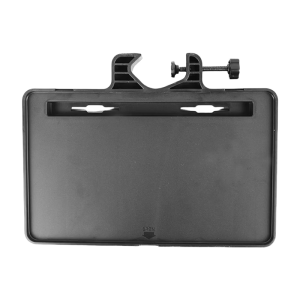
Microphone Stand Soundcard Tray Practical Multiuse for Mic Holder Live Tripod Bracket Recording Concert Stage Accessory

JLT Set 2 10in1 Classic Fairy Tales Big Size (No Audio)
LED Mini Par Light 6 LED (RGB 3in1) with Bluetooth Speaker

Jekels Epidemiology Biostatistics Preventive Medicine and Public Health - 9789814865913 - C&E Bookshop
Minsine Guitar Tuner Clip-on Chromatic Digital Tuner LCD Display Mini Size Tuner for Acoustic Guitar