


Umbilical Hernia Belt for Men and Women - Abdominal Support Binder with Compression Pad - Navel Ventral Epigastric Incisional and Belly Button Hernias Surgery Prevention Aid
Umbilical Hernia Belt for Men and Women - Abdominal Support Binder with Compression Pad - Navel Ventral Epigastric Incisional and Belly Button Hernias Surgery Prevention Aid
Understanding Umbilical Hernia Belts & Their Benefits
An umbilical hernia belt is a specialized garment designed to provide support and compression to the abdominal area, particularly around the navel. These belts are often recommended by healthcare professionals to help alleviate symptoms associated with umbilical hernias, such as discomfort, pain, and swelling.
What is an Umbilical Hernia Belt?
An umbilical hernia belt is a supportive garment worn around the abdomen, specifically targeting the navel region. It is made from elastic materials and features adjustable straps to ensure a snug fit. The belt helps to reduce pressure on the abdominal muscles, which can alleviate symptoms and improve overall comfort.
How Does an Umbilical Hernia Belt Work?
The primary function of an umbilical hernia belt is to apply gentle compression to the abdominal area, particularly around the navel. This compression helps to support the abdominal muscles and reduce pressure on the hernia site. By providing this support, the belt can help to alleviate symptoms and improve overall comfort.
Key Benefits of Using an Umbilical Hernia Belt
Using an umbilical hernia belt offers several benefits, including:
-
Pain relief: The belt helps to reduce pressure on the abdominal muscles, which can alleviate pain and discomfort associated with umbilical hernias.
-
Improved mobility: By providing support and reducing pressure on the abdominal muscles, the belt can help to improve mobility and make daily activities more comfortable.
-
Reduced risk of complications: Wearing an umbilical hernia belt can help to prevent the hernia from becoming larger or more severe, reducing the risk of complications.
Choosing the Right Umbilical Hernia Belt
When selecting an umbilical hernia belt, it is essential to consider several factors to ensure the best possible outcome.
Key Features to Look For
When choosing an umbilical hernia belt, look for the following features:
-
Adjustable straps: Adjustable straps allow for a customized fit, ensuring the belt provides optimal support and comfort.
-
Elastic material: Elastic materials provide flexibility and comfort, allowing for easy movement and daily activities.
-
Compression pad: A compression pad provides targeted support and compression to the navel area, helping to alleviate symptoms and improve comfort.
Men vs Women: Differences in Umbilical Hernia Belts
While the basic design of umbilical hernia belts is similar for both men and women, there are some differences to consider. Women may prefer belts with a wider waistband to accommodate their natural shape, while men may prefer a more streamlined design.
Top-Rated Umbilical Hernia Belts on the Market
Some of the top-rated umbilical hernia belts available on the market include:
-
Belts with adjustable straps and compression pads: These belts offer a customizable fit and targeted support, making them ideal for individuals with umbilical hernias.
-
Elastic materials for comfort and flexibility: Belts made from elastic materials provide comfort and flexibility, allowing for easy movement and daily activities.
How to Properly Use an Umbilical Hernia Belt
To get the most out of your umbilical hernia belt, it is essential to use it correctly.
Step-by-Step Guide to Using an Umbilical Hernia Belt
Follow these steps to properly use an umbilical hernia belt:
-
Measure your waist: Measure your waist at the level of your navel to determine the correct size.
-
Put on the belt: Place the belt around your waist, positioning the compression pad over the navel.
-
Adjust the straps: Adjust the straps to ensure a snug fit, making sure the belt does not slip or become too tight.
-
Wear the belt during the day: Wear the belt during the day, removing it before bed or during periods of rest.
Common Mistakes to Avoid When Wearing an Umbilical Hernia Belt
Avoid these common mistakes when wearing an umbilical hernia belt:
-
Not adjusting the straps: Failing to adjust the straps can result in a loose or tight fit, which can affect the belt's effectiveness.
-
Wearing the belt too tightly: Wearing the belt too tightly can cause discomfort and restrict movement.
-
Wearing the belt continuously: Wearing the belt continuously can lead to skin irritation and discomfort.
Maintaining Your Umbilical Hernia Belt
To keep your umbilical hernia belt in good condition, follow these maintenance tips:
-
Wash the belt regularly: Wash the belt according to the manufacturer's instructions to remove sweat, oils, and dirt.
-
Store the belt properly: Store the belt in a cool, dry place away from direct sunlight to prevent damage.
Preventing and Managing Navel Ventral Incisional & Belly Button Hernias
Understanding navel ventral incisional and belly button hernias is crucial for prevention and management.
Understanding Navel Ventral Incisional & Belly Button Hernias
Navel ventral incisional and belly button hernias occur when abdominal tissue protrudes through a weak area in the abdominal wall, creating a bulge around the navel. These hernias can cause pain, discomfort, and swelling, and may require medical intervention.
How Compression Pads Can Help Prevent Hernias
Compression pads, like those found in umbilical hernia belts, can help to prevent hernias by providing targeted support and compression to the abdominal area. This support helps to reduce pressure on the abdominal muscles, which can alleviate symptoms and improve comfort.
Long-Term Management Strategies for Hernia Prevention
Long-term management strategies for hernia prevention include:
-
Maintaining a healthy weight: Excess weight can increase pressure on the abdominal muscles, increasing the risk of hernias.
-
Avoiding heavy lifting: Heavy lifting can strain the abdominal muscles, increasing the risk of hernias.
-
Exercising regularly: Regular exercise can help to strengthen the abdominal muscles, reducing the risk of hernias.
Final Thoughts
An umbilical hernia belt is a valuable tool for managing and preventing umbilical hernias. By providing targeted support and compression, these belts can help to alleviate symptoms and improve comfort. It is essential to choose the right belt, use it correctly, and maintain it properly to get the most out of this valuable tool.
The Importance of Abdominal Support Binders
Abdominal support binders, like umbilical hernia belts, play a crucial role in managing and preventing hernias. These binders provide support and compression to the abdominal area, helping to reduce pressure on the muscles and alleviate symptoms.
The Future of Umbilical Hernia Treatment
The future of umbilical hernia treatment looks promising, with advancements in medical technology and research leading to new and improved treatment options. As our understanding of hernias continues to grow, we can expect to see more effective and less invasive treatments becoming available.

Healthy-J
You May Also Like
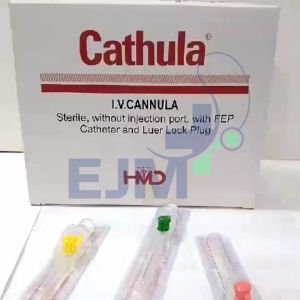
IV CATHULA CANULLA BRAND ( SOLD PER BOX
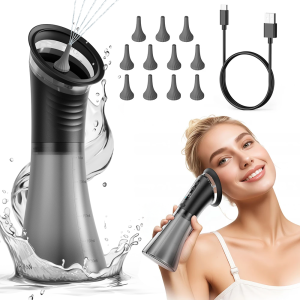
Electric Ear Wax Removal System Water Powered Ear Cleaning Tool with Irrigation Flusher 3 Pressure Settings Safe & Effective
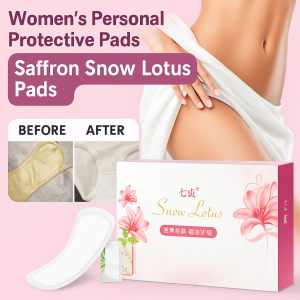
【Ready Stock】Snow Lotus Patch Pads Private Antibacterial Reduce itching Natural herbal Pads
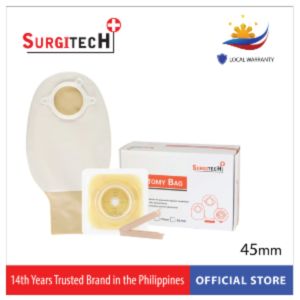
10 Pcs Surgitech Colostomy Bags: A Comprehensive Guide
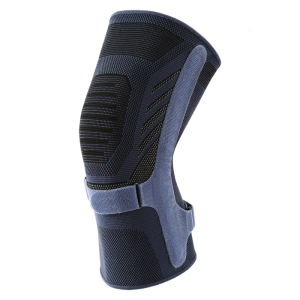
Adjustable Knee Brace with Side Stabilizers Breathable Patella Support for Men Women Basketball Running Cycling Fitness
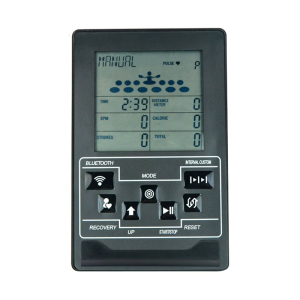
Adjustable Rowing Machine Monitor with Speedometer Odometer and Calorie Counter Suitable for Home Fitness
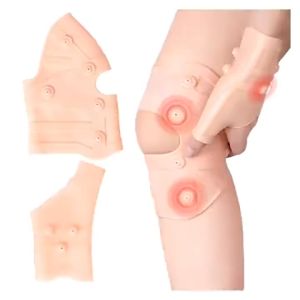
Silicone Gel Knee Pad Brace Waterproof Soft Kneepad Support Wrap Guard Joint Pain Patella Stabilizer Sport Protector 1PC Silicone Magnetic Therapy Knee Pad Knee Pain Relief Arthritis Knee Elastic Wrap Compression Massage Sleeves Compression Sleeve Support
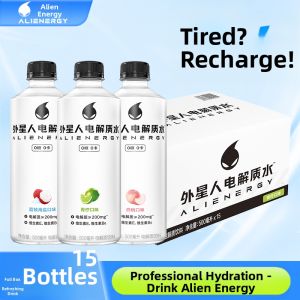
Professional Edition Alien Electrolyte Water 500ml Sea Salt Lychee Flavor Sugar Free Sports Drink Refreshing Beverage
2Pcs Patella Tendon Knee Silicone Strap Comfortable Patella Knee Support for Men Women Basketball Baseball Soccer Hiking
Wheelchair folding lightweight small airplane for elderly transportation ultra light and elderly travel handcart

Garlic Capsules for Cholesterol and Blood Pressure Support Cardiovascular Health Supplement Odorless