


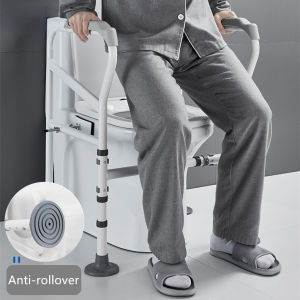
Safe Non-Slip Handrails for Elderly: A Comprehensive Guide
Safe Non-Slip Handrails for Elderly: A Comprehensive Guide
Non-slip handrails are essential fixtures that help provide support and stability for elderly individuals, especially in their homes. These handrails play a crucial role in enhancing safety and accessibility, particularly in areas like bathrooms and hallways.
What Are Non-Slip Handrails?
Understanding the Importance of Non-Slip Handrails
Non-slip handrails are specially designed support bars that offer a firm grip and prevent slipping. They are made from various materials like stainless steel, aluminum, and composite materials, ensuring durability and longevity. These handrails are particularly important for elderly individuals who may face mobility challenges, balance issues, or other health concerns.
Types of Non-Slip Handrails Available
Non-slip handrails come in different styles and designs, including wall-mounted, freestanding, and grab bars. Wall-mounted handrails are attached to walls, while freestanding handrails stand independently. Grab bars are typically installed in bathrooms and provide support during transfers or while using the toilet or shower.
Benefits of Installing Safe Handrails for Homes
Enhancing Bathroom Safety for the Elderly
Installing non-slip handrails in bathrooms can significantly improve safety for elderly individuals. These handrails offer support while getting in and out of the bathtub or shower, using the toilet, or simply moving around the bathroom.
Improving Accessibility in Bathrooms
Handrails can make bathrooms more accessible for elderly individuals by providing support and stability. This allows them to maintain their independence and continue living comfortably in their homes.
Choosing the Right Handrail for Your Home
Factors to Consider When Selecting Handrails
When choosing a handrail, consider factors such as the type of material, installation method, and the specific needs of the elderly individual. Wall-mounted handrails are ideal for bathrooms, while freestanding handrails may be better suited for hallways or staircases.
Installation Tips & Tricks
Proper installation is crucial to ensure the handrail provides adequate support and stability. Follow the manufacturer's instructions carefully and consider consulting a professional if necessary. For wall-mounted handrails, ensure they are securely attached to the wall studs.
How to Maintain and Inspect Handrails
Regular Maintenance to Ensure Safety
Regularly inspect handrails for signs of wear and tear, such as loose screws or cracks. Clean the handrails regularly to remove dirt and grime, which can affect their grip and appearance.
Identifying Signs of Wear & Tear
Signs of wear and tear include loose screws, cracks, or rust. Address these issues promptly to ensure the handrail continues to provide adequate support and stability.
Conclusion
Summarizing the Importance of Safe Handrails for Elderly
Non-slip handrails play a vital role in enhancing safety and accessibility for elderly individuals in their homes. By providing support and stability, these handrails help maintain independence and prevent accidents.
Encouraging Actionable Steps for Homeowners
Homeowners should consider installing non-slip handrails in areas like bathrooms and hallways to ensure their elderly loved ones have adequate support and stability. Regular maintenance and inspections will help keep these handrails safe and effective.

tyyyuan1704
Review

You May Also Like

Magnetic Stirrer Hot Plate & Vortex Stirrer: A Comprehensive Guide

Original Authentic ATPRO 50/100/200 PCS Hand Tear Sponge Wet Dual Purpose Car Paint Beauty Polishing Dry Sandpaper
Colorful Water closet / Pail flush Toilet and Corner wall hung lavatory / Bathroom fixtures for kids & Adults
Cordless Impact Wrench 1080N.M Brushless Wrench1/2"1/4" Impact Gun Heavy Duty Cordless Wrench
![[Heartsbat] GH-101A 50Kg Holding Capacity Quick Release Handle Vertical Toggle Clamp](https://img.lazcdn.com/g/p/9b694e295546266fb141722843055770.jpg_300x300q80.jpg)
[Heartsbat] GH-101A 50Kg Holding Capacity Quick Release Handle Vertical Toggle Clamp
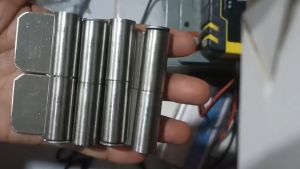
304 Stainless Steel Welding Door Flag Wrought Iron Metal Gate Hinge Heavy Duty for Steel Door Welding Hinge Hardware Tools
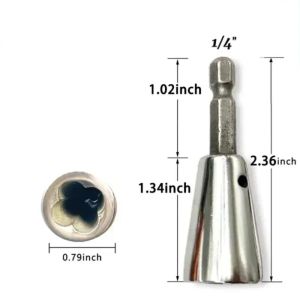
Wire Twisting Tools Quickly Twister Electrician Artifact for Power Drill Drivers Twisted Connector Cable Device Multi-tool -----
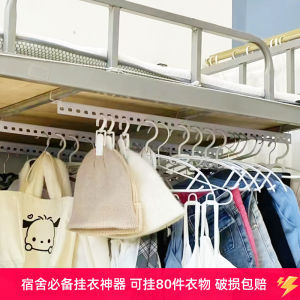
Dormitory Upper & Lower Bed Side Storage: A College Student's Ultimate Guide
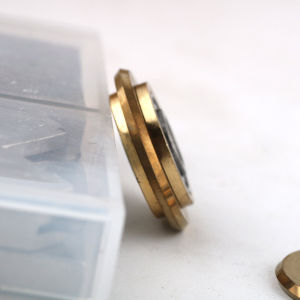
22x6x6mm Cutting Accessories: A Comprehensive Guide
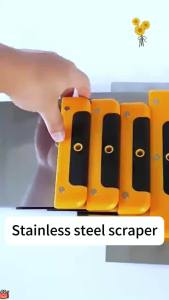
Putty Knife Spatula Paint Scraper Stainless Steel yellow handle 68 10 INCH Frank Hardware
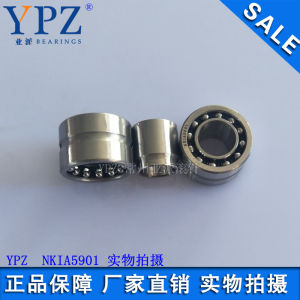
YPZ National Combination Needle Roller Bearings NKIA5901 5902 5903 5904 5905 5906 5907/22 Double Row Standard Parts Bearing Steel