



Engineering Vehicle Model: Heavy Construction Equipment & Flatbed Vehicle-Mounted Excavator
Engineering Vehicle Model: Heavy Construction Equipment & Flatbed Vehicle-Mounted Excavator
What Are Engineering Vehicles?
Engineering vehicles are specialized machines designed to perform various tasks in the construction, transportation, and industrial sectors. They include heavy construction equipment, flatbed vehicle-mounted excavators, tank trucks, bulldozers, timber trucks, and heavy trucks. These vehicles are essential for completing complex projects and ensuring the safety and efficiency of operations.
Heavy Construction Equipment
Heavy construction equipment refers to large machinery used in construction projects, such as cranes, excavators, bulldozers, and loaders. These machines are built to handle heavy loads and withstand harsh working conditions. They play a crucial role in shaping the landscape, building infrastructure, and supporting various industries.
Flatbed Vehicle-Mounted Excavator
A flatbed vehicle-mounted excavator is a versatile piece of equipment that combines the mobility of a truck with the digging capabilities of an excavator. This combination allows operators to quickly move the excavator from one job site to another, making it an efficient and cost-effective solution for construction projects.
Tank Truck & Bulldozer: Key Features & Applications
Tank trucks and bulldozers are two essential engineering vehicles used in various industries. They have unique features and applications that make them indispensable in their respective fields.
Tank Truck
Tank trucks are specialized vehicles designed to transport liquids, gases, or other hazardous materials. They feature a large tank mounted on a truck chassis, allowing for efficient transportation and storage of these substances. Tank trucks are commonly used in industries such as oil and gas, chemical manufacturing, and agriculture.
Bulldozer
A bulldozer is a heavy construction vehicle equipped with a large blade at the front, used for pushing earth, rocks, and debris. It is commonly used in land clearing, grading, and excavation projects. Bulldozers are known for their powerful engines and robust design, making them capable of handling challenging terrain and heavy loads.
Timber Truck & Heavy Truck: Design & Functionality
Timber trucks and heavy trucks are two types of engineering vehicles designed for transporting heavy loads over long distances. They have distinct designs and functionalities that cater to the specific needs of their respective industries.
Timber Truck
Timber trucks are specially designed to transport logs and other wood products. They feature a long, flatbed trailer with multiple axles to distribute the weight evenly and prevent damage to the cargo. Timber trucks are commonly used in the forestry industry and play a vital role in the supply chain of wood products.
Heavy Truck
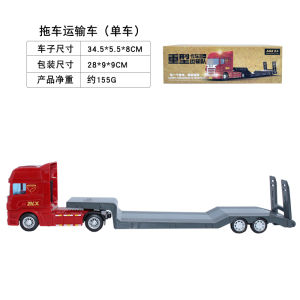
Heavy trucks, also known as tractor-trailers or semi-trucks, are designed to transport heavy loads over long distances. They consist of a powerful tractor unit connected to a trailer, which can be customized to carry various types of cargo. Heavy trucks are widely used in the transportation and logistics industry, playing a crucial role in the global economy.
How to Use Engineering Vehicles Efficiently
Using engineering vehicles efficiently is essential for maximizing productivity, reducing costs, and ensuring the safety of operators and workers. Here are some tips for using these vehicles effectively:
Safety Measures
Safety should always be the top priority when operating engineering vehicles. Operators must adhere to strict safety protocols, including wearing appropriate personal protective equipment (PPE), conducting regular inspections, and following manufacturer guidelines. Additionally, proper training and certification are crucial for ensuring operators are capable of handling these powerful machines safely.
Maintenance Tips
Regular maintenance is essential for keeping engineering vehicles in optimal condition. Operators should perform routine checks, such as inspecting tires, brakes, and fluid levels, to ensure the vehicle is functioning correctly. Additionally, following the manufacturer's recommended maintenance schedule will help prevent costly repairs and downtime.
Training & Certification
Training and certification are vital for ensuring operators are qualified to handle engineering vehicles safely and efficiently. Operators must undergo comprehensive training programs that cover topics such as vehicle operation, safety protocols, and emergency procedures. Obtaining certification from recognized organizations demonstrates an operator's competence and commitment to safety.

TB FMCG SHOP
Review

You May Also Like

10pcs Metallic Latex Balloons: High-End Wedding Party Decorations
![[COD] Undis Cartoon Bean Bear Plush Toy Lovely Bear Stuffed Doll Keychain Pendant Plush Doll Couple Bag Charms Children Gift](https://img.lazcdn.com/g/p/f171873c7d873ed7a9d3ab099ae649a1.jpg_300x300q80.jpg)
[COD] Undis Cartoon Bean Bear Plush Toy Lovely Bear Stuffed Doll Keychain Pendant Plush Doll Couple Bag Charms Children Gift

Japanese Anime Demon Slayer Kamado Nezuko Cosplay Wig For Women Black-brown Long Curly Hair Tanjirou Sister Wavy Wig Hair Free Bow Ribbon

POPMART CRYBABY SHINY SHINY New Release Dustproof Protective Cover Card Holder Collectible Toy Blind Box Authentic Packaging

4 in 1 Kids 3D Wooden Animal Puzzle Early Educational Toys Cognitive Game Toys For Kids Boys Girls

2025 Mcdonalds Happy Meal Pokemon Dragon Discovery Cards TCG M24EN

Fidget Decompression Keyboard Key Toy For Adults Antistress Toys Boys Girls Anti Stress Finger Keyboard Games Keychain

Makery【Ready in Stock】 Capybara Plush Doll Star Squeak Toy Cartoon Star Keychain Pendant Soft Siamese Cat Stuffed Doll 1Pc

Rainbow Stacking Ring Tower Stapelring Kids Montessoris Toys Teaching Aids Wood Baby Toys Gift Stack

Unleashing Your Creativity: Faceless Man & ToyStory Cosplay Costumes

Kids Music Telephone Toy: A Multi-purpose Educational Tool