


How to Use Horticultural Climbing Wire & Pergola Wrapping Techniques
How to Use Horticultural Climbing Wire & Pergola Wrapping Techniques
Understanding Horticultural Climbing Wire
What is Horticultural Climbing Wire?
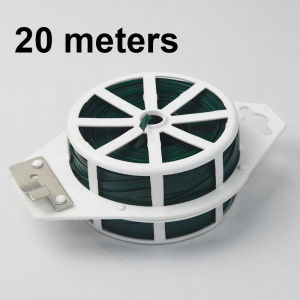
Horticultural climbing wire, also known as cable tie wire, is a versatile tool used in gardening and landscaping to support plants, such as vines, creepers, and climbers, as they grow upwards. This type of wire helps plants to climb and grow in the desired direction, providing structural support while allowing them to receive ample sunlight and air circulation.
Types of Horticultural Climbing Wire
There are various types of horticultural climbing wire available, including galvanized steel wire, coated wire, and plastic-coated wire. Each type has its own unique properties, benefits, and applications. For instance, galvanized steel wire is highly durable and resistant to rust, making it ideal for long-term use in outdoor settings. On the other hand, plastic-coated wire is softer and less likely to damage plant stems, making it suitable for delicate plants.
Benefits of Using Horticultural Climbing Wire
Using horticultural climbing wire offers numerous benefits for gardeners and landscapers. Some of these advantages include:
- Enhanced plant growth and development
- Improved structural support for plants
- Increased air circulation and sunlight exposure
- Easy installation and maintenance
- Cost-effective solution for supporting plants
Choosing the Right Plant Binding Tape
Importance of Plant Binding Tape
Plant binding tape plays a crucial role in securing horticultural climbing wire to plants, ensuring they grow in the desired direction. These tapes are typically made from biodegradable materials, such as jute or cotton, which break down over time, allowing the plant to continue growing without being restricted.
Different Types of Plant Binding Tape
There are various types of plant binding tape available, each with its own unique properties and benefits. Some popular options include jute tape, cotton tape, and biodegradable plastic tape. Jute tape is strong and durable, making it ideal for larger plants, while cotton tape is softer and less likely to damage delicate stems.
Tips for Selecting the Best Plant Binding Tape
When choosing plant binding tape, consider the following factors:
- Durability and strength
- Biodegradability
- Softness and flexibility
- Cost-effectiveness
Wire Wrapping Pergolas: A Step-by-Step Guide
Preparing Your Pergola for Wire Wrapping
Before wrapping your pergola with horticultural climbing wire, ensure it is clean and free from any debris or obstructions. This will make the installation process easier and help prevent damage to the plants or wire.
Tools & Materials Needed for Wire Wrapping Pergolas
To wrap your pergola with horticultural climbing wire, you will need the following tools and materials:
- Horticultural climbing wire
- Plant binding tape
- Wire cutters
- Measuring tape
- Gloves
Installing Horticultural Climbing Wire on Your Pergola
To install horticultural climbing wire on your pergola, follow these steps:
- Measure the distance between the pergola beams and cut the wire accordingly.
- Secure the wire to the pergola using plant binding tape, ensuring it is taut and evenly spaced.
- Repeat this process for each row of wire, spacing them approximately 6-8 inches apart.
Cutting Wire for Plants: Best Practices
When to Cut Wire for Plants
Cutting wire for plants is necessary when the wire becomes damaged, worn, or when the plant has grown beyond its support. Regularly inspecting the wire and plants will help you determine when it's time to make adjustments or replacements.
Tools & Techniques for Cutting Wire
To cut wire for plants, use wire cutters or pliers. Hold the wire firmly with one hand and use the other hand to carefully cut the wire, ensuring not to damage the plant stems or leaves.
Safety Precautions When Cutting Wire for Plants
When cutting wire for plants, always wear gloves to protect your hands from sharp edges. Additionally, take care not to damage the plant stems or leaves during the process. Finally, dispose of the old wire responsibly, following local waste disposal guidelines.

GardenDiary
Review
You May Also Like
COD 405/355mm Lengthened Mower Blade: A Comprehensive Guide
![[Ueb Flagship Mall]100Pcs Dual-Sided Sticky Traps Double Sided Sticky Trap for Gnats Bugs Sticky Traps for Flying Plant Insect Fungus Gnats(20x15cm)](https://img.lazcdn.com/g/ff/kf/S0019dfc23c9d45ba8b3439e66cda5804c.jpg_300x300q80.jpg)
[Ueb Flagship Mall]100Pcs Dual-Sided Sticky Traps Double Sided Sticky Trap for Gnats Bugs Sticky Traps for Flying Plant Insect Fungus Gnats(20x15cm)

BUY 10+3 Red Cardinal Grapes Cuttings with Rooting Powder – Madali Itanim Malaki at Matamis ang Bunga mura lang
Garden Weeder Weeding Sickle Japanese Stainless Steel Garden Tool Gardening Hand-held Weeder
Portable Electric Repellent LED Mosquito Killer Lamp Rechargeable Quiet Non-toxic Pest Killer
MAKITA Lawn Mower Grass Cutter Heavy Duty Rechargeable Japan Makita Sale Battery 12v 68v 168v Lithium Battery Wireless Electric Gardening Outdoor Power Tool Honda Telescoping Cordless Grass Cutter Trimmer Portable Original With Wheels
Garden scissors cutter Mitsushi gardening Scissor Thin branch scissors & Thick branch scissor Garden Tool flower fruit Tree Grafting Pruning Shear
12 16 20 Inch Electric Saw Chainsaw Guide Bar Chainsaw Guide Plate Electric Chainsaw Chains Electric Chainsaws Accessory Chainsaw Blade Mini Steel Chainsaw Chains
![[WYH Store] COD Double-layer Self Watering Plant Pot Transparent Plastic Flower Vase Automatic Lazy Potted Flower Pot Hydroponic Flowerpot Decor](https://img.lazcdn.com/g/p/1fe7ea8cee0708eab46050852c2673f5.jpg_300x300q80.jpg)
[WYH Store] COD Double-layer Self Watering Plant Pot Transparent Plastic Flower Vase Automatic Lazy Potted Flower Pot Hydroponic Flowerpot Decor

10Pcs Stainless Steel BBQ Skewers: Ultimate Reusable Grilling Tools
Telescopic Leaf Rake: The Ultimate Lightweight Cleaning Tool