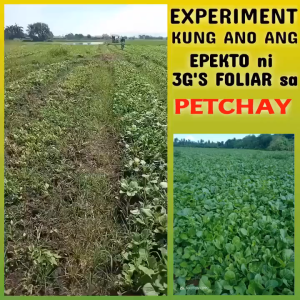



10 Sweet Papaya Seeds: A Guide to Growing Your Outdoor Garden
10 Sweet Papaya Seeds: A Guide to Growing Your Outdoor Garden
Introduction to Papaya Seeds
Papaya seeds, known as binhi in some cultures, are small, black seeds enclosed within the fruit's central cavity. These seeds are not only edible but also serve as the foundation for growing your very own sweet papaya plant. Papayas, a tropical fruit known for their sweet taste and numerous health benefits, are easy to grow and maintain. By planting these seeds, you can enjoy fresh papaya fruits straight from your garden, enhancing your outdoor space with a touch of tropical beauty.
Preparing for Planting
Selecting the Right Location
When planting papaya seeds, choose a location that receives ample sunlight, at least six hours per day. Papayas thrive in warm climates, so they are ideal for outdoor gardens in southern states like Florida, Texas, and California. Additionally, ensure the area has good drainage to prevent waterlogging, which can harm the plant's roots.
Soil Preparation
Papaya plants prefer well-draining soil rich in organic matter. Prepare the soil by mixing compost or aged manure with the existing soil to improve its fertility and texture. This will provide a healthy environment for the seeds to germinate and grow into strong, thriving plants.
Watering Requirements
Watering is crucial for papaya plants, especially during their early stages of growth. Keep the soil consistently moist, but avoid overwatering, as this can lead to root rot. As the plant matures, reduce watering frequency, allowing the top inch of soil to dry out before watering again.
Planting and Caring for Papaya Plants
Planting Papaya Seeds
To plant papaya seeds, sow them directly into the prepared soil or start them indoors in small pots. Plant the seeds about 1/4 inch deep, spacing them about 2 inches apart. Once the seedlings have grown to a few inches tall, transplant them outdoors, spacing them about 10 feet apart to allow for ample growth.
Fertilizing and Pruning
Papaya plants benefit from regular fertilization during their growing season. Apply a balanced fertilizer every few months to provide essential nutrients for healthy growth. Additionally, prune the plant to remove any dead or damaged leaves, promoting better air circulation and reducing the risk of disease.
Pest Control and Disease Prevention
Papaya plants may face challenges from pests like aphids, spider mites, and fruit flies. To prevent these issues, monitor your plants regularly and use organic pest control methods, such as neem oil or insecticidal soap. Additionally, maintain good garden hygiene by removing fallen leaves and fruit to reduce the risk of disease.
Harvesting and Enjoying Papaya Fruit
When to Harvest Papaya Fruit
Papayas are ready to harvest when they turn from green to yellow, usually within six to nine months after planting. To test if the fruit is ripe, gently press the skin; if it yields slightly, it's ready to pick. Be sure to leave some fruit on the plant to encourage continued growth and production.
Storing and Preserving Papaya Fruit
Store ripe papayas at room temperature for up to a week or refrigerate them for longer storage. To preserve papayas, consider freezing pureed fruit or making homemade preserves like jam or chutney.
Cooking and Eating Papaya Fruit
Papayas are versatile fruits that can be enjoyed in various ways. Add them to smoothies, salads, or desserts for a sweet, tropical twist. They can also be cooked into savory dishes like curries or salsas, providing a unique flavor profile.
Conclusion
Growing papaya plants from seeds is a rewarding experience that allows you to enjoy fresh, sweet papaya fruits straight from your garden. By following the guidelines outlined in this guide, you'll be well on your way to cultivating a thriving papaya plant. Remember to keep your garden healthy and pest-free, and don't hesitate to reach out to local gardening resources for additional support.
Additional Resources for Papaya Enthusiasts
For more information on growing papaya plants, consult local gardening resources, online forums, or reach out to local nurseries for expert advice.

Ykaira Shoppe
Review

You May Also Like
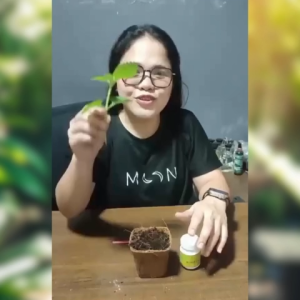
Premium Gold Edition Rooting Hormone Powder for Seedling Root Development - Garden Propagation Aid
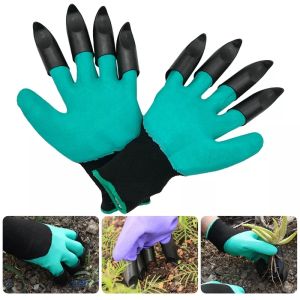
Garden Genie Gloves: The Ultimate Solution for Gardening
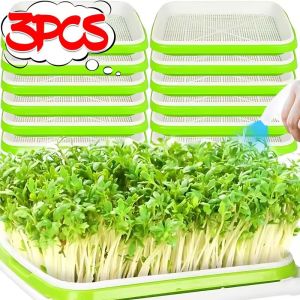
1/3Pcs Plastic Grow Nursery Pot Vegetable Soilless Nursery Tray Seed Germination Tray Seedling Sprout Plate Garden Supply

Galvanized Hog Wire Fence & Kambing Cattle Panels: A Comprehensive Guide

20X28cm Handheld US Flag USA Hand Waving Flag With Plastic/Wood Pole USA Activities Cheering Flag
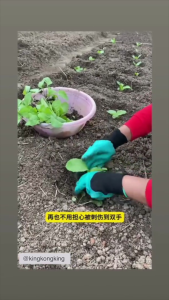
KKKing Garden Gloves Green/Purple/Brown Planting Claw Rubber Gloves Plant Safety Gloves
REAIM 3800W High Pressure Washer Portable Car High Washer Spray Pressure Washer Home Automatic Car Washer Cleaning Machine
【Original+24hours delivery】Portable Camping Electric Shower Outdoor USB Rechargeable Shower Head Bathing 3.7V Pump 4.9ft for Beach Swimming Outdoor Traveling Hiking Shower Head With Hose Set
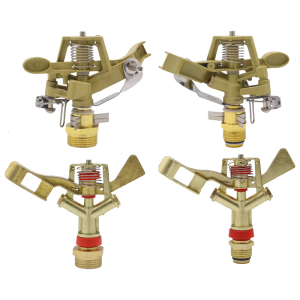
1/2inch 3/4inch Thread Irrigation Garden Rocker Arm Sprinkler Nozzle Sprinkler Head Irrigation Sprinkler Water Sprinkler
SeedsPLAZA™ - Lettuce Curly Green Seeds for Planting Vegetable Plants (100 Seed) + Instructions for F1 Letsugas Plant

720° All-Round Physical Mosquito Killer Lamp USB Charging Mosquito Repellent Plug In Silent Mosquito Trap Mosquito Killer Electric Plug Maternal and Child Safety