



Night Splint for Drop Foot: A Comprehensive Guide for Kids' AFO Braces
Night Splint for Drop Foot: A Comprehensive Guide for Kids' AFO Braces
Understanding AFO Braces for Kids
What is a Drop Foot?
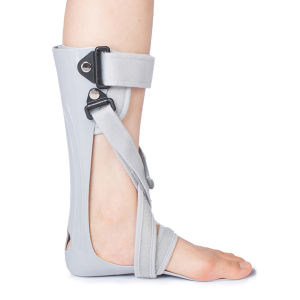
Drop foot, also known as foot drop, is a condition characterized by difficulty lifting the front part of the foot. This results in dragging the foot while walking, which can lead to tripping or falling. Children with drop foot often struggle with balance and coordination, making everyday activities more challenging. Ankle-foot orthosis (AFO) braces are commonly used to support and correct the position of the foot and ankle, helping children with drop foot walk more comfortably and safely.
Types of AFO Braces for Toddlers & Kids
There are several types of AFO braces available for toddlers and kids, each designed to address specific needs and concerns. Some popular options include:
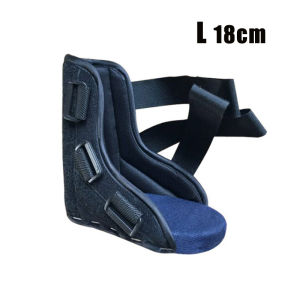
- Night splints: These braces are worn during sleep to keep the foot in a neutral position, promoting proper alignment and preventing contractures.
- Daytime braces: These braces are worn during waking hours to provide support and stability, allowing children to walk and play without difficulty.
- Custom-molded braces: These braces are tailored to fit each child's unique foot shape and size, ensuring maximum comfort and effectiveness.
Benefits of Using AFO Braces
AFO braces offer numerous benefits for children with drop foot, including:
- Improved balance and coordination
- Reduced risk of falls and injuries
- Enhanced gait and walking patterns
- Increased independence and confidence
Choosing the Right AFO Brace
Factors to Consider When Selecting an AFO Brace
Selecting the right AFO brace for your child requires careful consideration of several factors, including:
- Severity of drop foot
- Age and developmental stage of the child
- Comfort and fit
- Durability and ease of use
Strephexopodia Support: What Parents Should Know
Strephexopodia is a condition characterized by foot inversion, which can lead to difficulty walking and increased risk of injury. Night splints and other AFO braces can help support and correct strephexopodia, providing much-needed relief for children and their parents.
Toddler Strephenopodia Splint: Key Features & Benefits
Toddler strephenopodia splints are specially designed to address foot inversion in young children. Key features include:
- Lightweight and comfortable materials
- Easy-to-use straps and fasteners
- Adjustable fit for growing feet
Benefits of using toddler strephenopodia splints include improved gait, reduced risk of injury, and increased independence for children with drop foot.
Proper Use & Maintenance of AFO Braces
How to Put on & Take Off an AFO Brace
Putting on and taking off an AFO brace requires patience and practice, but with time and experience, it becomes easier. Follow these steps:
- Position the child comfortably, either sitting or lying down.
- Slide the brace onto the foot and ankle, making sure it fits snugly but not too tightly.
- Adjust straps and fasteners as needed for a secure fit.
- To remove the brace, reverse the process, carefully unfastening straps and sliding the brace off the foot.
Caring for Your Child's AFO Brace
Proper care and maintenance of AFO braces are essential for ensuring their longevity and effectiveness. Follow these tips:
- Clean the brace regularly using mild soap and water.
- Allow the brace to air dry completely before storing.
- Inspect the brace for signs of wear and tear, replacing parts as needed.
Troubleshooting Common Issues with AFO Braces
Common issues with AFO braces include discomfort, difficulty putting on or taking off, and improper fit. To address these issues, try the following solutions:
- Adjust straps and fasteners for a more comfortable fit.
- Practice putting on and taking off the brace to improve ease of use.
- Consult with a healthcare professional if the brace does not fit properly or causes discomfort.
Additional Tips for Parents
Building a Supportive Environment for Your Child
Creating a supportive environment for children with drop foot involves providing encouragement, understanding, and patience. Offer praise and positive reinforcement for progress, and be prepared to adapt activities and routines as needed.
Working with Healthcare Professionals
Collaborating with healthcare professionals, such as physical therapists, orthotists, and pediatricians, is crucial for managing drop foot effectively. Regular check-ins and assessments help ensure proper treatment and progress.
Monitoring Progress & Adjusting Treatment
Regularly monitoring your child's progress and adjusting treatment as needed is essential for achieving optimal outcomes. Work closely with healthcare professionals to make informed decisions about AFO brace use and other interventions.

Sunshine-Mall
You May Also Like
Turmeric Capsule 100pcs

ZEO Glass Measuring Cylinder 5ml/10ml/25ml/50ml/100ml Laboratory Measure Tube

Disposable 10ul / 200ul / 1000ul Laboratory Pipette Tips Yellow Micro Pipette Gilson Tip

JOANLAB Multiple Magnetic Stirrer: A Comprehensive Guide

220V Handheld High Speed Dispersing Emulsifying Mixer Laboratory Cell Tissue Mixer 08A

Kamay ni Nanay Repelix Combo Pack with Baby Balm - 100% Authentic Massage Balm for Babies MenthyBalm for Adult and Baby Calming Massage Oil

SNGHWE Milk Thistle Liver Cleansing Detoxification and Repair Integrated Complex Herbal Liver Support Supplement to Maintain Liver Health Milk Thistle Capsules

Adjustable Back Supporter Posture Corrector: Strong Support for Lumbar Spine and Enhanced Humpbac

Accurate Weight Tracking with Rechargeable Electronic Scales

F.six👍50g Fat Cream Relieving Fat Packs Hard Lump Anti-inflammatory Cream Improving Fat Buildup Cream
AFO Foot Drop Brace: A Comprehensive Guide for Men & Women