


Introduction to Large Size Iron Sheet Connectors
Introduction to Large Size Iron Sheet Connectors
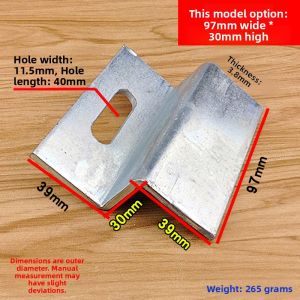
Iron sheet connectors are essential components used in various construction projects, providing sturdy fixation brackets that help maintain structural integrity. Among the types of galvanized angle brackets available, large size iron sheet connectors play a significant role in securing metal sheets and panels. These connectors come in different shapes, including stainless steel Z-shaped connectors and galvanized large angle hardware, both designed to meet specific project requirements.
Overview of Sturdy Fixation Brackets
Sturdy fixation brackets are designed to securely fasten metal sheets and panels, ensuring that they remain in place throughout the life of a structure. These brackets are often made from high-quality materials, such as stainless steel or galvanized iron, which provide exceptional durability and resistance to corrosion. By using sturdy fixation brackets, construction professionals can ensure that their projects meet safety standards and last for years.
Types of Galvanized Angle Brackets
Galvanized angle brackets come in various sizes and configurations, catering to the diverse needs of construction projects. Some common types include large angle hardware, which provides robust support for heavy-duty applications, and stainless steel Z-shaped connectors, which offer a sleek and efficient design. Both types of galvanized angle brackets are widely used in the construction industry due to their durability and versatility.
Applications of Large Angle Hardware
Large angle hardware is ideal for applications requiring strong and reliable connections between metal sheets and panels. These connectors are often used in industrial settings, such as warehouses and manufacturing facilities, where heavy machinery and equipment require secure mounting solutions. Additionally, large angle hardware is commonly employed in commercial construction projects, including roofing systems and wall panel installations.
Understanding Stainless Steel Z-Shaped Connectors
Stainless steel Z-shaped connectors offer a unique design that allows for efficient and secure connections between metal sheets and panels. These connectors feature a Z-shaped profile, which enables them to provide additional strength and stability while minimizing material usage.
Key Features of Z-Shaped Fixation Brackets
Z-shaped fixation brackets boast several key features that make them an excellent choice for construction projects. Firstly, their Z-shaped design ensures that they can withstand significant loads and stresses, making them ideal for heavy-duty applications. Secondly, these connectors are made from high-quality stainless steel, which provides excellent corrosion resistance and durability. Lastly, Z-shaped fixation brackets are available in various sizes and configurations, allowing construction professionals to choose the perfect solution for their specific project requirements.
Benefits of Using Stainless Steel Connectors
Using stainless steel connectors offers numerous benefits for construction projects. Firstly, these connectors provide exceptional strength and stability, ensuring that metal sheets and panels remain securely fastened throughout the life of a structure. Secondly, stainless steel connectors are highly resistant to corrosion, making them ideal for use in harsh environments or coastal areas. Lastly, these connectors are easy to install and maintain, reducing labor costs and minimizing downtime.
Common Uses for Z-Shaped Hardware
Z-shaped hardware is widely used in various construction applications, including roofing systems, wall panel installations, and industrial settings. These connectors are particularly useful in heavy-duty applications, such as warehouses and manufacturing facilities, where strong and reliable connections are essential. Additionally, Z-shaped hardware is commonly employed in commercial construction projects, providing secure mounting solutions for metal sheets and panels.
How to Choose the Right Hardware for Your Project
Selecting the appropriate hardware for your construction project is crucial to ensure the success and longevity of your structure. By considering factors such as load requirements, environmental conditions, and installation ease, you can choose the perfect solution for your specific needs.
Factors to Consider When Selecting Connectors
When choosing connectors for your construction project, consider the following factors:
- Load requirements: Determine the weight and stress that your connectors will need to withstand.
- Environmental conditions: Assess the climate and environment in which your structure will be located.
- Installation ease: Consider the tools and skills required to install your chosen connectors.
Comparing Galvanized Angle Brackets & Stainless Steel Connectors
Galvanized angle brackets and stainless steel connectors offer different advantages and disadvantages. Galvanized angle brackets provide excellent corrosion resistance and durability, making them ideal for use in harsh environments. However, they may not offer the same level of strength and stability as stainless steel connectors. On the other hand, stainless steel connectors provide exceptional strength and stability, making them suitable for heavy-duty applications. However, they may be more expensive than galvanized angle brackets.
Ensuring Proper Fixation with Large Angle Hardware
To ensure proper fixation with large angle hardware, it is essential to follow the manufacturer's guidelines and recommendations. This includes using the appropriate tools, techniques, and materials for installation. Additionally, regular maintenance and inspection of your connectors can help identify potential issues before they become serious problems.
Best Practices for Installing Large Angle Connectors
Installing large angle connectors requires careful planning and execution to ensure optimal performance and longevity. By following best practices, you can minimize the risk of errors and maximize the effectiveness of your connectors.
Tools Needed for Installation
The tools needed for installing large angle connectors may vary depending on the specific type and configuration of your connectors. However, some common tools include drills, screws, wrenches, and pliers. Always ensure that you have the appropriate tools and equipment before beginning installation.
Step-by-Step Guide to Installing Z-Shaped Fixation Brackets
To install Z-shaped fixation brackets, follow these steps:
- Measure and mark the desired location for your connectors.
- Drill pilot holes at the marked locations.
- Insert screws through the holes in your connectors and into the pilot holes.
- Tighten the screws using a wrench or screwdriver.
- Inspect your installation to ensure that the connectors are securely fastened.
Tips for Maintaining & Replacing Connectors
Maintaining and replacing connectors is essential to ensure the longevity and safety of your structure. Some tips for maintaining and replacing connectors include:
- Regularly inspecting your connectors for signs of wear or damage.
- Cleaning and lubricating your connectors as needed.
- Replacing connectors that show signs of significant wear or damage.
Conclusion & Final Thoughts
In conclusion, large size iron sheet connectors play a crucial role in providing sturdy fixation brackets for various construction projects. Both galvanized angle brackets and stainless steel Z-shaped connectors offer unique advantages and disadvantages, making them suitable for different applications. By considering factors such as load requirements, environmental conditions, and installation ease, construction professionals can choose the perfect solution for their specific needs. Remember to follow best practices for installing and maintaining connectors to ensure optimal performance and longevity.

TAO Home Tools
Review
You May Also Like
3-IN-1 Multifunction Pliers Crimper Stripper Cutter Crimping Stripping Cutting Tools DuPont Insulation Tube Terminals

Rechargeable Cordless Electric Spin Scrubber: A Comprehensive Guide
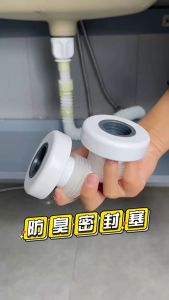
Efficient Deodorization Plug: A Comprehensive Guide
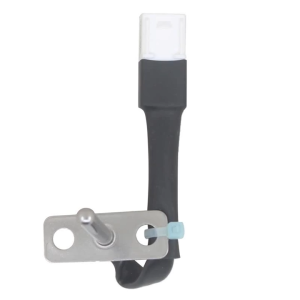
Instant Response Temperature Controller 6322FR2046C Quick Installation No Tools Required

1 Set Pot Hole Repair Stickers Pratical Repair Pot Patches Sticker Kit Bucket Saucepan Crack Repair Highly Adhesive Sticker Waterproof High Temperature
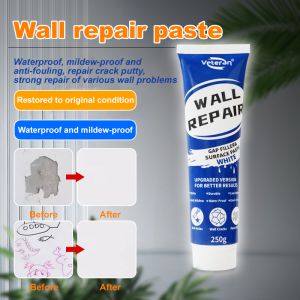
White Wall Repair Paste Putty: Versatile & Waterproof Environmental Patching Paste
304 Stainless Steel Fully Automatic Water Level Control Float Valve 1/2\" 3/4\" Auto Shut Off Mini Float Valve
Anti-Clogging & Odor-Proof Drain Inner Core Tool: A Quick Drainage Solution
CJX2-0910 AC 9A Contactor NO 3 Phase Contacts Relay 24V 36V 110V 220V 380V: A Comprehensive Guide
Durable Water Seal Accessory: A Comprehensive Guide to Sakai Pump 104-22
YUWO High Copper J164 Generator Carbon Brush 8 10 12.5mm DC Conductive Brushes