


100 Purple Eggplant Seeds: Planting & Growing Guide
100 Purple Eggplant Seeds: Planting & Growing Guide
Planting purple eggplant seeds is a rewarding experience that can provide you with fresh, delicious vegetables throughout the growing season. This guide will walk you through the process of planting, caring for, and harvesting your own purple eggplants.
Understanding Purple Eggplant Seeds
What Are Purple Eggplant Seeds?
Purple eggplant seeds are the seeds of the Solanum melongena plant, which produces vibrant purple fruits. These seeds are easy to grow and can be found at many garden centers or online retailers.
Where to Buy Purple Eggplant Seeds
Purple eggplant seeds can be purchased at local garden centers, hardware stores, or online retailers. When purchasing seeds, look for reputable sellers who offer high-quality vegetable seeds for planting.
Preparing for Planting
Soil Preparation for Purple Eggplant Seeds
Before planting purple eggplant seeds, it's essential to prepare the soil. Purple eggplants prefer well-drained, fertile soil with a pH between 6.0 and 6.8. To achieve this, amend the soil with compost, aged manure, or a balanced fertilizer before planting.
Choosing the Right Location
Purple eggplants thrive in full sun, so choose a location that receives at least six hours of direct sunlight per day. They also require good air circulation, so avoid planting them in crowded or shaded areas.
Planting Purple Eggplant Seeds
Planting Techniques
Plant purple eggplant seeds indoors about six to eight weeks before the last expected frost date. Sow the seeds in seed trays or small pots filled with a high-quality potting mix. Keep the soil moist and warm, around 70°F (21°C), until the seeds germinate.
Once the seedlings have grown their first set of true leaves, transplant them into larger pots or directly into the garden. Space the plants at least 18 inches apart to allow for proper air circulation and growth.
Watering & Fertilizing
Water purple eggplants regularly, keeping the soil consistently moist but not waterlogged. Water deeply once or twice a week, depending on the weather conditions and soil type.
Fertilize purple eggplants every four to six weeks with a balanced fertilizer. Avoid over-fertilizing, as this can lead to excessive foliage growth at the expense of fruit production.
Caring for Purple Eggplant Plants
Pest Control & Disease Management
Purple eggplants are susceptible to several pests and diseases, including aphids, spider mites, and fungal infections. Monitor your plants regularly and take action at the first sign of infestation or disease.
To control pests, use insecticidal soap or neem oil. For fungal infections, remove infected leaves and apply a fungicide according to the manufacturer's instructions.
Harvesting & Storage
Purple eggplants are ready to harvest when they reach their mature size and color. The fruits should be firm and glossy, with a slight give when gently pressed. Use pruning shears or a sharp knife to cut the fruit from the plant, leaving a small stem attached.
Store harvested purple eggplants in a cool, dry place, such as a refrigerator. They will keep for several days to a week.
In conclusion, planting purple eggplant seeds is a fun and rewarding experience that can provide you with fresh, delicious vegetables throughout the growing season. By following this guide, you'll be able to successfully grow and care for your own purple eggplants, enjoying their vibrant color and unique flavor in your favorite recipes.

Ykaira Shoppe

Review

You May Also Like
12Pcs Pigeon Spikes Stainless Steel Bird Repeller Set Deterrent Anti Bird Pigeon Squirrel Cats Repellent for Garden Fence Roof
Weeding Rake & Farm Tools: Manganese Steel Hoe & Iron Agricultural Tools

💥 𝟏.𝟏 𝐇𝐎𝐓 𝐒𝐀𝐋𝐄 💥 Makita Cordless Turbo Blower – High Airflow for Dust Leaves Garden Yard and Car Cleaning - Rechargeable - Wireless - Lightweight - Portable - Easy to Use No Odor ( 5 Year Warranty )
25 liters est COCOPEAT HIGH GRADE PREMIUM DRIED EZPEAT 25 LITERS IN MOIST WEIGHT EST EZ AGRI COCOPEAT IN SACK BAG BIG COCOPEAT CHEAP BUT HIGH QUALITY COCO PEAT FOR PLANT PLANTING MATERIAL GARDEN SOIL POTTING MIX

SH 2L Garden Spray Bottle Automatic Pressure Sprayer Air Compression Pump Hand Pressure Sprayers Home 2 Litre Presser Sprayer - Lazada
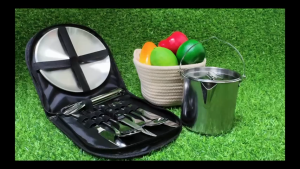
10PCS Stainless Steel Camping Cutlery Set for 2 - Knife/Fork/Spoon/Plate Durable for Camping BBQs & Outdoor Cooking
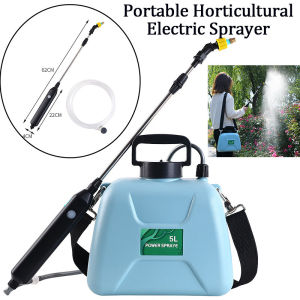
5L Electric Sprayer: A Comprehensive Guide to USB Rechargeable Plant Sprayers
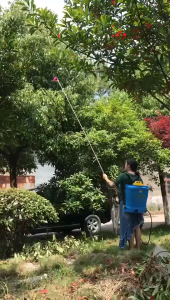
Retractable Spraying Rod Stainless Steel Pesticide Spray Sprayer 3.6M/2.6M Retractable Manual Sprayer Pesticide Spray Rod Extension Sprayer Spray Rod with Transparent Plastic Hose-Ideal For Garden Pesticide Spraying Car Washing And Watering
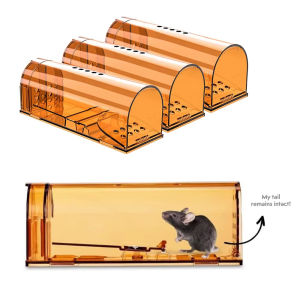
Reusable Mice Rodent Catcher Rat Trap No Kill Animal Pet Control Cage Humane Mouse Trap Catch and Release for Indoor/Outdoor
Silicone Food Tongs Kitchen Tongs Stainless Steel Cooking Supplies for Barbeque
![3 pcs. / set – Premium Quality White Plastic Pot (Ht. 3.5 Inches Opening 5 inches) [Stock Code: No.5 ] with Philodendron Temptation 2 to 3 leaves with roots](https://img.lazcdn.com/g/ff/kf/Sda379c12a0e14e1e8137038e95683c48E.jpg_300x300q80.jpg)
3 pcs. / set – Premium Quality White Plastic Pot (Ht. 3.5 Inches Opening 5 inches) [Stock Code: No.5 ] with Philodendron Temptation 2 to 3 leaves with roots