


Tracing Pads: A Comprehensive Guide to Drawing Materials (30 Sheets)
Tracing Pads: A Comprehensive Guide to Drawing Materials (30 Sheets)
Tracing pads are essential drawing materials used by artists and designers to create accurate and precise illustrations. This guide will provide a comprehensive overview of tracing pads, their key features, common uses, how to choose the right one, and techniques for optimal results.
What Are Tracing Pads?
Tracing pads are a collection of transparent sheets bound together to form a pad. These sheets are designed specifically for artists and designers to trace existing images or create new ones with precision. Tracing pads come in various sizes, thicknesses, and finishes, making them versatile tools for a wide range of projects.
Key Features of Tracing Pads
Tracing pads have several key features that make them popular among artists and designers:
- Transparency: The sheets are transparent, allowing you to see through them and trace existing images accurately.
- Smooth Surface: The surface of tracing paper is smooth, making it easy to draw on with various tools such as pencils, pens, markers, and digital styluses.
- Thickness: Tracing pads come in different thicknesses, which can affect the ease of drawing and the durability of the sheets.
- Finish: The finish of tracing paper can vary, from smooth to slightly textured, depending on the desired effect.
Common Uses for Tracing Pads
Tracing pads are used in various applications, including:
- Illustration: Artists use tracing pads to create accurate illustrations, such as character designs, storyboards, and technical drawings.
- Design: Designers use tracing pads to create precise layouts, patterns, and blueprints for fashion, architecture, and product design.
- Animation: Animators use tracing pads to create frame-by-frame animations, ensuring consistency and accuracy in their work.
- Education: Students and educators use tracing pads to learn and teach drawing techniques, composition, and perspective.
How to Choose the Right Tracing Pad
Choosing the right tracing pad depends on your specific needs and preferences. Here are some considerations to keep in mind:
Considerations for Artists & Designers
- Thickness: Thicker sheets are more durable and easier to handle, while thinner sheets are better for fine details and precision.
- Finish: A smooth finish is ideal for precise drawings, while a slightly textured finish can add depth and character to illustrations.
- Size: Choose a size that suits your project, whether it's a small sketchbook or a large pad for detailed illustrations.
- Binding: Spiral-bound pads are easy to use and store, while adhesive-bound pads are more compact and portable.
Types of Tracing Paper Available
There are several types of tracing paper available, each with its own unique features and benefits:
- Traditional Tracing Paper: This is the most common type of tracing paper, made from wood pulp and coated with a smooth finish.
- Vellum Paper: Vellum paper is thicker and more durable than traditional tracing paper, making it ideal for heavy-duty projects.
- Digital Tracing Paper: Digital tracing paper is designed specifically for use with digital devices, such as tablets and computers.
Using Tracing Pads for Optimal Results
To get the most out of your tracing pads, follow these tips:
Techniques for Drawing on Tracing Pads
- Use the Right Tools: Choose the appropriate drawing tools for your project, such as pencils, pens, markers, or digital styluses.
- Practice Proper Technique: Hold the pencil or pen at a slight angle to achieve a smooth line, and use light pressure to avoid tearing the paper.
- Use Guidelines: Draw guidelines or grids to help you maintain consistency and accuracy in your illustrations.
Tips for Proper Storage & Maintenance
- Store Properly: Store tracing pads in a cool, dry place away from direct sunlight to prevent damage.
- Handle with Care: Handle tracing sheets carefully to avoid creasing or tearing.
- Clean Regularly: Clean your drawing tools regularly to prevent smudging and maintain their performance.
Conclusion
Tracing pads are essential drawing materials that offer a wide range of benefits for artists and designers. By understanding the key features, common uses, and how to choose the right tracing pad, you can enhance your creative process and produce high-quality illustrations and designs. Remember to use proper techniques and store your tracing pads properly to get the most out of these versatile tools.

Abc's Paper and Gardening Supplies
You May Also Like
DUAL HEAD COLORING BRUSH PEN MARKER No605: Versatile Art Supplies

Anime Attack on Titan Legion Student 32K Class Exercise Book A5 Thickened Rubber Cover Practice Diary Notebook
Couple Diamond Stickers: A Unique DIY Gift for Valentine's Day & 520 Chinese Valentine's Day
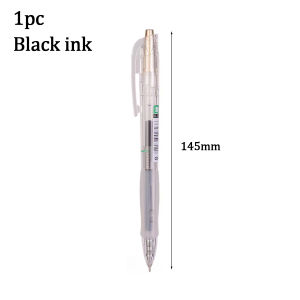
Deli Press Gel Pen 0.35mm Black Quick-Drying Ballpen Writing Pen For Text School Supplies 1pc SA130

Nursing Noteviewer - Fundamentals (Notebook + Reviewer)

Heavy Tool for Leather Punch Hole Puncher Belts Belt Watch Bands Straps Saddles Shoes Rotary Sewing Leathercraft Tools

SAI MAGIC TATTOO: Waterproof & Long-Lasting Temporary Tattoo Stickers
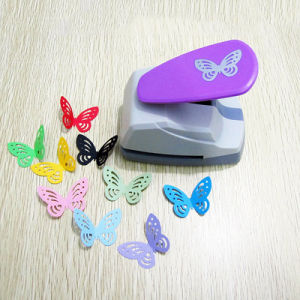
Homigoo 2inch Scrapbook Punch & DIY Flower Paper Craft
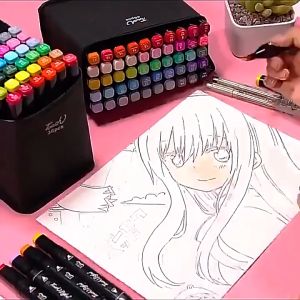
Marker Pen Set Double Tip Oily Alcohol Sketch Art Comic Animation Design Color Art Supplies School Office Supplies
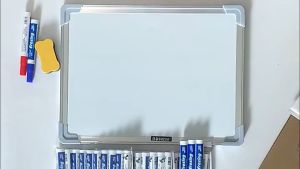
Dry Erase Whiteboard Marker (Red Blue Black) For Writing Office School Supplies ( Pen Core 2.8mm Thick )
Permanent Marker CJ-8004 Bullet Tip Pentel Pen Black Markers School & Office Supplies MKB-04-05