


Baby Swim Diaper Cover & Waterproof Swimwear: Essential Tips for Parents
Baby Swim Diaper Cover & Waterproof Swimwear: Essential Tips for Parents
Baby swimming is a fun activity that helps develop coordination, strength, and confidence in infants and toddlers. To ensure a safe and enjoyable experience, parents must choose the right swimwear and accessories, such as baby swim diaper covers, cloth swimming trunks, and waterproof swimwear. This article will guide you through selecting the perfect baby swim diaper cover, cloth swimming trunks, waterproof swimwear, and pool pants for your little ones.
What Are Baby Swim Diaper Covers?
Baby swim diaper covers are designed to contain solid waste while swimming, preventing contamination of pool water and keeping your baby dry. These covers are made of waterproof material and often have a snug fit to prevent leaks. Some key features and benefits include:
- Waterproof material: Keeps your baby dry and prevents leakage into the pool.
- Snug fit: Ensures a secure fit and minimizes the risk of leaks.
- Easy to use: Simply place the baby swim diaper cover over your child's regular diaper.
- Cost-effective: Reusable baby swim diaper covers can save money compared to disposable options.
Choosing the Right Size & Fit
When selecting a baby swim diaper cover, consider the following factors to ensure a comfortable and secure fit:
- Size: Check the manufacturer's size chart to find the right size for your child.
- Material: Look for breathable, stretchy material that allows for movement and comfort.
- Closure: Ensure the cover has a secure closure, such as velcro or snaps.
Cloth Swimming Trunks for Kids: An Eco-Friendly Option
Cloth swimming trunks are an eco-friendly alternative to disposable swim diapers. They offer a comfortable fit and are easy to clean, making them a popular choice among environmentally conscious parents.
Advantages Over Disposable Swim Diapers
- Cost-effective: Reusable cloth swimming trunks can save money in the long run.
- Eco-friendly: Reduces waste and helps protect the environment.
- Comfortable fit: Breathable material allows for movement and comfort.
Caring for Cloth Swim Trunks
To maintain the quality and longevity of your cloth swimming trunks, follow these care tips:
- Wash after use: Rinse and wash the trunks after each swim session.
- Use mild detergent: Avoid harsh chemicals that can damage the material.
- Air dry: Hang the trunks to air dry instead of using a dryer.
Waterproof Swimwear for Infants & Toddlers: Keeping Your Little One Dry
Waterproof swimwear, such as infant toddler swim pants, provides an extra layer of protection against water and keeps your child dry during pool time.
Selecting the Perfect Pair of Infant Toddler Swim Pants
When choosing waterproof swim pants for your little one, consider these factors:
- Size: Check the manufacturer's size chart to find the right fit.
- Material: Look for waterproof, breathable material that allows for movement and comfort.
- Closure: Ensure the pants have a secure closure, such as velcro or snaps.
Tips for Prolonging the Life of Your Swimwear
To extend the life of your infant toddler swim pants, follow these care tips:
- Wash after use: Rinse and wash the pants after each swim session.
- Use mild detergent: Avoid harsh chemicals that can damage the material.
- Air dry: Hang the pants to air dry instead of using a dryer.
Pool Pants for Boys & Girls: Stylish & Practical
Pool pants for boys and girls offer a stylish and practical option for pool time. They come in various designs and colors, making them a fun addition to your child's swimwear collection.
Choosing Between Boys' & Girls' Pool Pants
When selecting pool pants for your child, consider their gender and preferences. Boys' pool pants often feature bold colors and patterns, while girls' pool pants may have more delicate designs and pastel colors.
Maintaining & Storing Your Kids' Pool Pants
To keep your kids' pool pants in good condition, follow these care tips:
- Wash after use: Rinse and wash the pants after each swim session.
- Use mild detergent: Avoid harsh chemicals that can damage the material.
- Air dry: Hang the pants to air dry instead of using a dryer.
- Store properly: Keep the pants clean and dry when not in use.

GruYet
You May Also Like
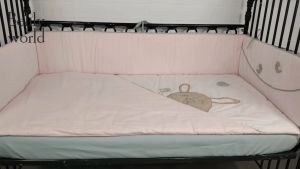
Baby Crib Bumper Protector Anti Collision for Infant 154x12inches
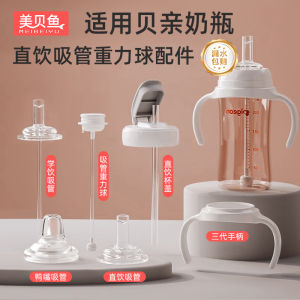
Third Generation Duckbill Straw Bottle Cap Gravity Ball Wide Mouth Drinking Water Cup Lid for Baby Feeding Compatible with Philips Avent
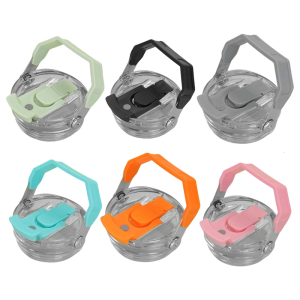
Practical Plastic Cup Lid With Handle Spill Proof Design For 30oz Tumblers Flick Straw Lid Sealing Bottle Cover

Kahit Munti - Receiving Blanket with Hood - (Kulay Bughaw - Boy)
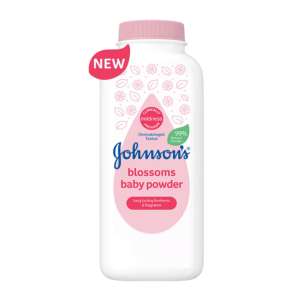
Johnsons Blossoms Baby Powder 500g
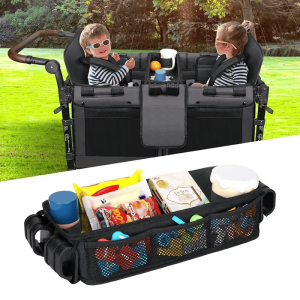
Baby Stroller Hanging Bag Storage Basket Child Feeding Chair Accessory Portable Baby Gear Storage Basket Convenient for Parents
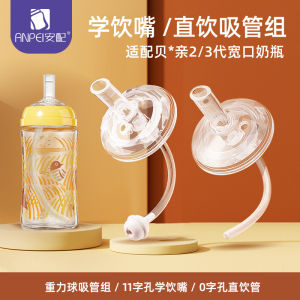
Universal Wide-Mouth Gravity Ball Straw Nipple Drinking Cup for Baby Bottles Compatible with Philips Avent Durable Child Feeding Supplies
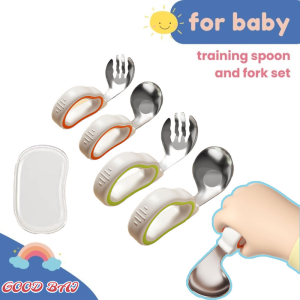
2pcs Baby Spoon Fork Set Learning To Eat Training Stainless Steel Self Feeding Tableware for Toddlers
Children's Safety Helmet: A Comprehensive Guide
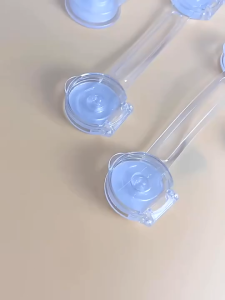
5Pcs Cabinet Lock For Kid Secure Plastic Cabinet Fridge Lock for Child Safety and Refrigerator Protection

MamyPoko Royal Soft Tape Diaper Small S 50pcs 3-8kg Organic Cotton Baby Diaper Japan Quality