


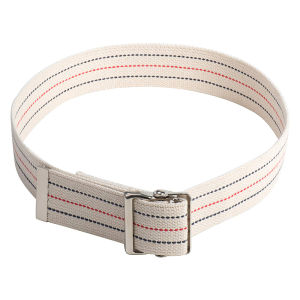
72 Inch Transfer & Gait Belt Physical Therapy for Caregiver, Nurse, and Therapist
72 Inch Transfer & Gait Belt Physical Therapy for Caregiver, Nurse, and Therapist
Physical therapy is an essential part of rehabilitation and recovery, helping patients regain their mobility and independence. One crucial tool used by caregivers, nurses, and therapists is the 72-inch transfer and gait belt. This comprehensive guide will explore the purpose, features, selection process, usage techniques, benefits, and maintenance tips for this valuable device.
What is a 72 Inch Transfer & Gait Belt?
A 72-inch transfer and gait belt is a wide, sturdy strap made of durable material, such as nylon or polyester, designed to assist patients during transfers and gait training. This belt provides support and stability, making it easier for caregivers, nurses, and therapists to safely move patients from one position to another, such as from a bed to a wheelchair.
Understanding the Purpose of a 72 Inch Transfer & Gait Belt
The primary purpose of a 72-inch transfer and gait belt is to enhance patient safety and comfort during transfers and gait training. It provides a secure grip for caregivers, nurses, and therapists, reducing the risk of falls and injuries. Additionally, it can help patients regain confidence in their mobility and independence.
Key Features of a 72 Inch Transfer & Gait Belt
Key features of a 72-inch transfer and gait belt include:
- Adjustable length: The belt should be easily adjustable to accommodate patients of various sizes and shapes.
- Quick-release buckle: A quick-release buckle allows for easy removal of the belt in case of emergencies.
- Non-slip material: The belt should be made of non-slip material to prevent slippage during transfers and gait training.
- Durable construction: The belt should be made of durable material that can withstand regular use and cleaning.
How to Choose the Right 72 Inch Transfer & Gait Belt
Selecting the right 72-inch transfer and gait belt is crucial for ensuring patient safety and comfort. Consider the following factors when choosing a belt:
- Patient size and weight: Choose a belt that can accommodate patients of various sizes and weights.
- Material quality: Opt for a belt made of high-quality, durable material that can withstand regular use and cleaning.
- Buckle type: Select a belt with a quick-release buckle for easy removal in case of emergencies.
- Non-slip properties: Look for a belt with non-slip material to prevent slippage during transfers and gait training.
Long-tail keywords: Rehabilitation gait belt, caregiver support belt
How to Use a 72 Inch Transfer & Gait Belt
Proper techniques for using a 72-inch transfer and gait belt include:
- Positioning the belt: Place the belt around the patient's waist, just above the hips, ensuring it is snug but not too tight.
- Adjusting the length: Adjust the length of the belt to accommodate the patient's size and shape.
- Gripping the belt: Hold the belt firmly with both hands, positioning your fingers underneath the belt for added support.
- Moving the patient: Use the belt to assist the patient during transfers and gait training, providing support and stability as needed.
Long-tail keywords: Gait belt for physical therapy, nurse and therapist aid
Benefits of Using a 72 Inch Transfer & Gait Belt
Using a 72-inch transfer and gait belt offers several benefits, including:
- Enhancing patient safety and comfort: The belt provides a secure grip for caregivers, nurses, and therapists, reducing the risk of falls and injuries.
- Improving mobility and independence: The belt helps patients regain confidence in their mobility and independence, encouraging them to participate in rehabilitation and recovery.
Tips for Maintaining Your 72 Inch Transfer & Gait Belt
Maintaining your 72-inch transfer and gait belt is essential for ensuring its longevity and effectiveness. Follow these guidelines for cleaning and storage:
- Cleaning: Wash the belt with mild soap and water, then air-dry it completely before storing.
- Storage: Store the belt in a cool, dry place away from direct sunlight and heat sources.
Troubleshooting common issues:
- If the belt becomes damaged or worn, replace it immediately to ensure patient safety and comfort.
- If the buckle becomes difficult to release, check for any debris or dirt that may be causing the issue and clean it accordingly.

Boup
You May Also Like
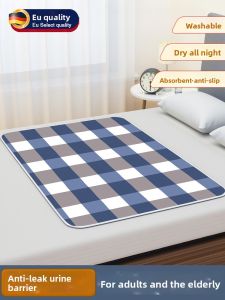
MONLEYTA | Waterproof Washable Adult Care Pad Large Size
Elastic Warm Waistband Back Waist Support Belt Self-Heating Wormwoods Back Belt Kidney Belt for Men and Women
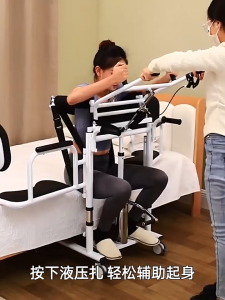
Multifunctional lifting bed resting elderly paralyzed patient shift machine toilet bathing chair disabled care hydraulic lifting chair with urine collector load-bearing 150KG

TRUSO Herbal Tea for Stomach Pain Relief – Peptic Ulcer GERD Gastritis Constipation Acid Reflux | Supports Healthy Digestion | 1 Box – 20 Herbal Packs

Pipette Tip Box Plastic Pipette Tip Storage Rack Pipette Tip Holder Pipette Tip Tray
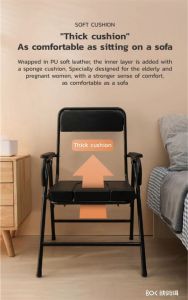
COD* Heavy Duty Commode Stainless steel portable indoor kettle Commode chair for elderly toilet Removable elderly bench Folding portable toilet

Liquid Endurance & Heat Tolerance: Unlocking Performance with Hammer Nutrition

Sakura Hanami Beauty Tea 4g x 15 Bags: Detox & Weight Loss
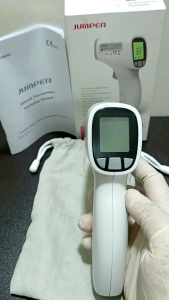
Non Contact Infrared Thermometer JUMPER
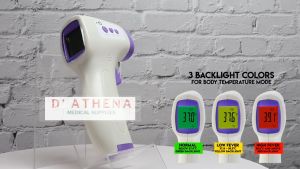
D'ATHENA - Non-Contact Infrared Thermometer Body Temperature with Fever Alarm for Adult and Baby

New Ice Silk Face Mask Sun Protection Breathable Face Shield Anti-UV Driving Summer Sunscreen Mask