


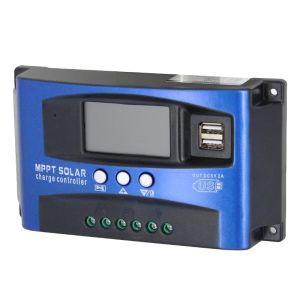
MPPT Solar Charge Controller PWM 100A 60A 50A 40A 30A Solar Power Regulator 12V 24V Auto Dual USB LCD Display Load Discharger
MPPT Solar Charge Controller PWM 100A 60A 50A 40A 30A Solar Power Regulator 12V 24V Auto Dual USB LCD Display Load Discharger
Overview of MPPT Solar Charge Controller
The Maximum Power Point Tracking (MPPT) solar charge controller is a highly efficient and advanced device designed to regulate the charging process of solar panels and batteries. It is a crucial component in a solar power system, ensuring that the energy produced by solar panels is optimally utilized to charge the battery bank.
Key Features & Specifications
- Rated Voltage: 12/24V
- Rated Current: 30/40/50/60/100A
- Max PV Input Power: 750W (12V) / 1200W (24V)
- System Voltage: 12/24V adaptive
- Rated Charging Current: 30A, 40A, 50A, 60A, 100A
- Rated Discharge Current: 10A, 20A, 20A, 30A, 30A
- Solar Photovoltaic Voltage: 12V battery with 18V solar panel, 24V battery with 36V solar panel
- Full Voltage Value: Lithium Battery (12.2V), B02 Colloidal Battery (14.2V), B03 Open Cell (14.6V)
- Floating Charge Voltage: 13.7V (default, adjustable)
- Discharge Cut-off Voltage: 10.7V (default, adjustable)
- Discharge Recovery Voltage: 12.6V (default, adjustable)
- Standby Current: 10mA
- USB Output: 5V / 2A MAX
- Operating Temperature: -35°C to 60°C
How MPPT Solar Charge Controllers Work
MPPT controllers work by constantly monitoring the solar panel's voltage and current output, adjusting the voltage to find the maximum power point, which is the optimal operating point for the solar panel. This allows the controller to extract the maximum energy from the solar panels, even when the sunlight intensity varies. MPPT controllers are highly efficient, often achieving efficiencies of 95% or higher.
Comparing MPPT vs PWM Solar Regulators
While both MPPT and Pulse Width Modulation (PWM) controllers regulate the charging process of solar panels and batteries, MPPT controllers offer several advantages over PWM controllers.
Performance & Efficiency
MPPT controllers are generally more efficient than PWM controllers, especially in low-light conditions or when the temperature varies significantly. This is because MPPT controllers can adjust the voltage to find the maximum power point, whereas PWM controllers maintain a constant voltage.
Cost & Maintenance
MPPT controllers tend to be more expensive than PWM controllers due to their advanced technology. However, they offer better performance and efficiency, which can result in lower long-term costs due to increased energy production.
Load Discharger for Solar Panels
Load dischargers are devices designed to help regulate the discharge process of solar panels and batteries. They can help prevent over-discharge, which can damage the battery and reduce its lifespan.
Benefits & Applications
Load dischargers offer several benefits, including:
- Preventing Over-Discharge: Load dischargers can help prevent over-discharge by disconnecting the load when the battery voltage drops below a certain threshold.
- Protecting Battery Lifespan: By preventing over-discharge, load dischargers can help extend the battery's lifespan.
- Improving System Efficiency: Load dischargers can help improve system efficiency by regulating the discharge process.
How to Use Load Dischargers
To use a load discharger, simply connect it to the battery and set the desired discharge cut-off voltage. When the battery voltage drops below this threshold, the load discharger will disconnect the load to prevent over-discharge.
Auto Dual USB Charger & 12V 24V Solar Charger
The auto dual USB charger and 12V/24V solar charger is a versatile device designed to provide power to a wide range of devices, including smartphones, tablets, and laptops. It features two USB ports, allowing you to charge multiple devices simultaneously.
Benefits & Applications
The auto dual USB charger and 12V/24V solar charger offers several benefits, including:
- Versatility: The device can be used with both 12V and 24V systems, making it suitable for a wide range of applications.
- Dual USB Ports: The device features two USB ports, allowing you to charge multiple devices simultaneously.
- Compact Design: The device is compact and lightweight, making it easy to carry around.
How to Use Auto Dual USB Chargers
To use the auto dual USB charger, simply connect it to the battery or solar panel and plug in your device. The charger will automatically detect the device and provide the appropriate charging current.

Treasure Shop_PH
Review

You May Also Like
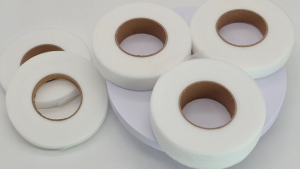
Lineworks Double Sided Adhesive Linen Tape 1CM | 1.5CM | 2CM | 2.5CM | 3CM

POWERCRAFT DC ARC Inverter Welding Machine 200A HERCULES 100% DUTY CYCLE ( PIW200HD / PIW 200HD ) 200W Psu Skywatcher 200P - Lazada
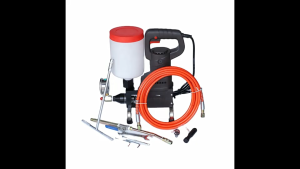
High-Pressure Grout Machine for Waterproofing Leakage Repair and Water Curing - Pure Copper Motor 220V/1100W Ideal for Professional Construction Projects
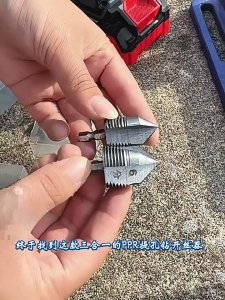
Electric Drill PVC Pipe Threader: Your Ultimate PVC Thread Maker Tool

【COD】Long Rubber Gloves Waterproof Oil-resistant Thickened Durable Dishwashing Hand Gloves for Women Long Sleeve Multi-use Washing Clothes Kitchen Cleaning Housework Dishwashing Tools Household Gloves
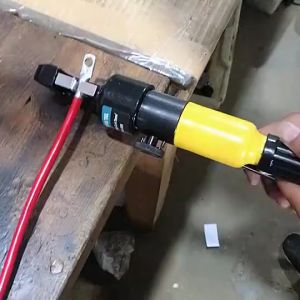
Hydraulic Crimper Tool Kit: A Comprehensive Guide

Anti-Slip PVC Floor Stickers Yellow Warning Strip for Outdoor Cement Marble Stone Ground High Adhesive Strength Wear Resistant
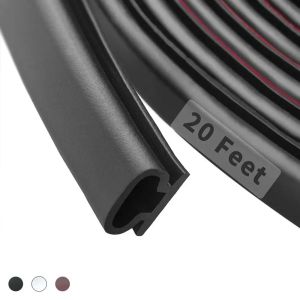
3/6M NEW Soundproofing Weather Stripping Rubber D-Shape Door Seal Strip Windproof Self-adhesive Door Frame Insulation Household

LED Magnifying Glass 3X 45X Auxiliary Reading With 3 LED Light Handheld Magnifying High Definition
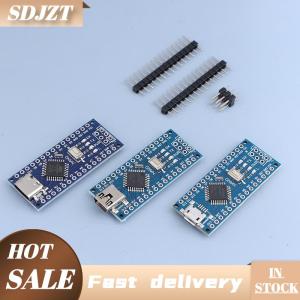
SDJZT MINI USB For Nano V3.0 ATmega328P CH340G Micro-controller Board For Arduino Type-C Micro USB 328P NANO 3.0 CH340

Chef Uniform for Men & Women: Short Sleeve Chef Uniform & Ready Stock