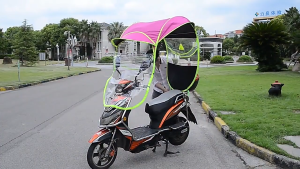



Four Wheel Motorcycles Big and Small Bull Beach Vehicles Parts Refitted Shaft Drive Differential Rear Axle Reverse Gear Universal Joint
Four Wheel Motorcycles Big and Small Bull Beach Vehicles Parts Refitted Shaft Drive Differential Rear Axle Reverse Gear Universal Joint
Introduction to Four Wheel Motorcycles & Beach Vehicles
Overview of Four Wheel Motorcycles
Four wheel motorcycles, also known as quad bikes, are versatile vehicles designed for off-road and recreational use. They provide stability and better control compared to traditional two-wheel motorcycles, making them ideal for rough terrains, farm work, and leisure activities.
Beach Vehicles: Unique Features & Benefits
Beach vehicles, like the Bull beach vehicles, are specially designed for sand and water environments. They offer unique features such as increased ground clearance, waterproofing, and special tires for improved traction. These vehicles provide a fun and exciting way to explore beaches and coastal areas.
Refitting Shaft Drive Differential
Components of Shaft Drive Differential
The shaft drive differential is a crucial component in four wheel motorcycles and beach vehicles. It consists of a series of gears and bearings that transmit power from the engine to the wheels, allowing them to rotate at different speeds during turns. The main components include the differential housing, pinion gear, ring gear, side gears, and planet gears.
Installation Process & Tips
To install a shaft drive differential, follow these steps:
- Remove the existing differential from the vehicle.
- Install the new differential housing onto the transmission output shaft.
- Connect the driveshaft to the differential using the appropriate universal joint.
- Install the wheels and axles onto the differential.
- Tighten all bolts and nuts securely.
Tips:
- Ensure proper alignment of the driveshaft and universal joint during installation.
- Check the differential fluid level and change it regularly.
- Lubricate all moving parts to reduce wear and tear.
Troubleshooting Common Issues
Some common issues with shaft drive differentials include whining noises, vibrations, and leaks. To address these problems, inspect the gears and bearings for wear, check the seals for damage, and tighten any loose components.
Rear Axle Universal Joint
Understanding Rear Axle Universal Joint
The rear axle universal joint connects the driveshaft to the differential, allowing for smooth power transmission between the two components. It consists of a pair of yokes connected by a cross-shaped center bearing, which allows for angular movement.
Installation Process & Tips
To install a rear axle universal joint, follow these steps:
- Remove the existing universal joint from the vehicle.
- Install the new universal joint onto the driveshaft and differential.
- Tighten the retaining nuts and bolts securely.
- Inspect the joint for proper alignment and clearance.
Tips:
- Use a torque wrench to ensure proper tightening of bolts and nuts.
- Check the universal joint for wear and replace it if necessary.
- Lubricate the joint regularly to reduce friction and wear.
Troubleshooting Common Issues
Common issues with rear axle universal joints include clunking noises, vibrations, and leaks. To address these problems, inspect the joint for wear, check the seals for damage, and tighten any loose components.
Reverse Gear Components
Overview of Reverse Gear Components
Reverse gear components allow the vehicle to move backward, providing increased maneuverability and control. They consist of a reverse gear lever, shift fork, and synchronizer ring. These components work together to engage the reverse gear and transmit power to the wheels.
Installation Process & Tips
To install reverse gear components, follow these steps:
- Remove the existing reverse gear components from the vehicle.
- Install the new reverse gear lever, shift fork, and synchronizer ring onto the transmission.
- Connect the reverse gear lever to the shifter mechanism.
- Tighten all bolts and nuts securely.
Tips:
- Ensure proper alignment of the reverse gear lever and shift fork during installation.
- Check the synchronizer ring for wear and replace it if necessary.
- Lubricate all moving parts to reduce wear and tear.
Troubleshooting Common Issues
Common issues with reverse gear components include grinding noises, difficulty shifting, and gear slippage. To address these problems, inspect the components for wear, check the synchronizer ring for damage, and tighten any loose bolts or nuts.
In conclusion, refitting shaft drive differentials, rear axle universal joints, and reverse gear components can significantly improve the performance and reliability of four wheel motorcycles and beach vehicles. By following the installation process and tips provided, you can ensure a successful and safe upgrade.

Smart LifePavilion-
You May Also Like

Jet 1 Extreme Oil Engine Protector (60mL)
Motorcycle 6LED Headlight 40W Universal H4 White Super Bright Waterproof Headlight Alloy Material
Telescopic Magnetic Pickup Tool Extendable Magnet Retrieval Pen Pickup Rod for Car Repairing Machinery Maintenance Car Tools
Three-layer Inflatable Flocking Footrest Foot Brace Support Foot Mat Travel Footrest Pillow Automotive Interior Products
T10/T15 Two-Color Motorcycle Turn Signal Low-Power Energy-Saving Motorcycle Modified Light High-Brightness LED Width Indicator Motorcycle Brake Light Tail Light
KAWASAKI 3D Laser Rainbow Sticker Embroidery KeyChain Keyring for Z Logo Z1000 Ninja 650 Motorcycle Decals
High Quality Suzuki Antennas: Swift & Grand Vitara Accessories

EKLEVA 10.1" HD 1280*800 Android 13 Car Headrest Monitor Tablet For Back Seat Multimedia Apple Carplay Ambient Lights BT SD HDMI-Input
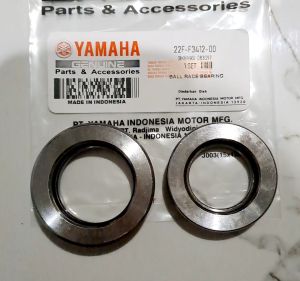
BALL RACE YAMAHA MIO SPORTY MIOI125 MIO SOULI125 MIO SOULI115 SOULTY INDONESIA GENUINE 22FF34100 GB
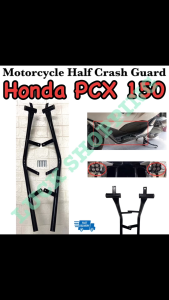
Honda PCX 150 Motorcycle Half Crash Guard Pair Good Quality Made in Thailand
![[COD] KOQZM KITCHEN 1PC Waterproof Mitt Premium Microfiber Wash Mitt Auto Car Wash Soft Anti-scratch For Car Wash Multifunction Thick Cleaning Glove](https://img.lazcdn.com/g/p/b5188c3e697177124b1a1336be7fce7d.jpg_300x300q80.jpg)
[COD] KOQZM KITCHEN 1PC Waterproof Mitt Premium Microfiber Wash Mitt Auto Car Wash Soft Anti-scratch For Car Wash Multifunction Thick Cleaning Glove