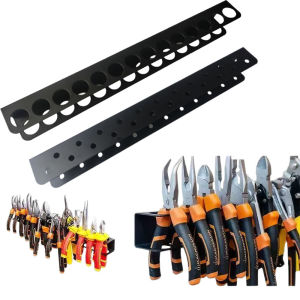



Cabinet Door Lift Support: Telescopic Pneumatic & Hydraulic Solutions
Cabinet Door Lift Support: Telescopic Pneumatic & Hydraulic Solutions
Introduction to Cabinet Door Lift Supports
Cabinet door lift supports play a crucial role in enhancing the functionality and aesthetics of cabinets. They provide a smooth, controlled motion when opening and closing cabinet doors, ensuring they remain stable and secure. In this article, we will explore two types of lift supports: telescopic pneumatic support rods and hydraulic cabinet door supports.
Understanding Telescopic Pneumatic Support Rods
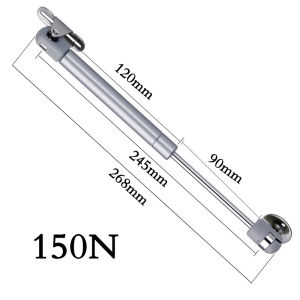
Telescopic pneumatic support rods are a popular choice for cabinet door lift supports due to their lightweight design and easy installation. These support rods consist of a gas spring mechanism that provides consistent resistance throughout the opening and closing process. This ensures that the cabinet door remains stable at any angle, preventing sudden movements or slamming.
Exploring Hydraulic Cabinet Door Supports
Hydraulic cabinet door supports offer a more robust and reliable option for heavy-duty applications. These supports utilize a hydraulic fluid-filled cylinder to regulate the motion of the cabinet door. This design provides a smoother, more controlled movement compared to telescopic pneumatic support rods. Additionally, hydraulic supports are more resistant to wear and tear, making them ideal for long-term use.
Types of Cabinet Door Lift Supports
In addition to telescopic pneumatic support rods and hydraulic cabinet door supports, there are two other types of lift supports worth considering: gas support for hidden hinges and hydraulic buffer for cabinet doors.
Gas Support for Hidden Hinges
Gas support for hidden hinges is an excellent choice for cabinets with concealed hinges. This type of support provides a smooth, controlled motion while keeping the hinge mechanism out of sight. It is particularly useful for cabinets with limited space or where aesthetics are a priority.
Hydraulic Buffer for Cabinet Doors
Hydraulic buffer for cabinet doors is another option to consider. This type of support utilizes a hydraulic mechanism to slow down the closing process, preventing sudden movements or slamming. It is ideal for cabinets with heavy doors or those located in areas with high traffic.
Choosing the Right Cabinet Door Lift Support
Selecting the appropriate cabinet door lift support depends on several factors, including the weight of the cabinet door, the intended use, and the desired level of functionality. Here are some key considerations to keep in mind when choosing the right support:
-
Weight Capacity: Ensure the chosen support can handle the weight of the cabinet door without compromising its stability or performance.
-
Space Requirements: Consider the available space within the cabinet and choose a support that fits seamlessly without obstructing other components.
-
Aesthetics: If aesthetics are a priority, opt for a support that remains hidden or has a sleek design that complements the overall look of the cabinet.
-
Long-Term Benefits: Properly selected cabinet door lift supports offer long-term benefits, including improved functionality, reduced wear and tear, and enhanced safety.
Installation & Maintenance Tips
Proper installation and maintenance are essential for ensuring the longevity and optimal performance of cabinet door lift supports. Here are some tips to help you install and maintain these supports effectively:
How to Install Telescopic Pneumatic Support Rods
-
Prepare the Cabinet: Ensure the cabinet is clean and free of debris before installing the support rod.
-
Position the Support Rod: Align the support rod with the desired position on the cabinet door and attach it securely.
-
Adjust the Tension: Adjust the tension of the gas spring mechanism to ensure smooth operation.
-
Test the Support: Open and close the cabinet door several times to ensure proper functioning.
Maintaining Hydraulic Cabinet Door Supports
-
Regular Inspection: Inspect the hydraulic support regularly for signs of wear or damage.
-
Clean the Mechanism: Keep the hydraulic mechanism clean and free of debris to prevent clogging or malfunction.
-
Check the Fluid Level: Ensure the hydraulic fluid level is adequate to maintain optimal performance.
-
Replace Worn Parts: Replace any worn or damaged parts promptly to prevent further damage or malfunctions.

SKY.MALL
You May Also Like
Daredevil Standard Spade Bit Set (10-Piece)

MW 3-Cell 18650 Battery Holder – Heavy Duty Series/Parallel Configuration
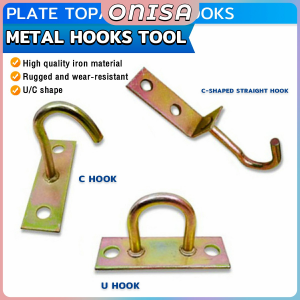
Onisa Metal Hook Tool Fan Ceiling Wall Mounting Ceiling Hooks Wall fixing Hooks
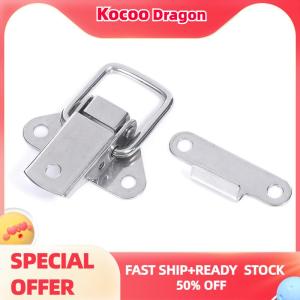
Kocoo Stainless Steel 304 toolbox Locking hasps Metal Toggle Catch Clasp Loaded hinges
MANSOON 320Nm Brushless Cordless Impact Wrench 2In1 Heavy Duty For Car Repair Construction Fastening No Cord Needed Long Battery Life Lightweight ABS Metal Body
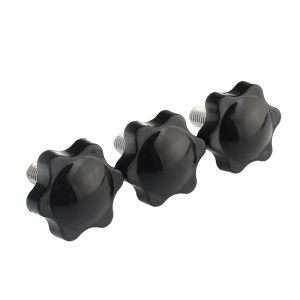
M10 M12 Carbon Steel Star-Shaped Thumb Screw Plastic Handle Plum Hand Tighten Screw Tightening Nuts Mechanical Knob

Super Waterproof Glue SealantTransparent Water proof Gluewaterproof glue transparentsealant waterproof roof leakInvisible Adhesive Repair roof wall cracks leaks suitable for all kinds of wallsWaterproof transparent glue
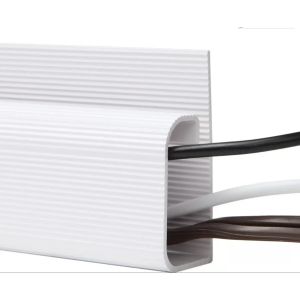
J Channel Desk Cable Organizer PVC Waterproof Cable Management Accessories White Cable Protecter Under Desk Tv Background

Anti Electric Shock Gloves 400V High Voltage Protect Gloves Anti-slip Breathable Electricians Gloves
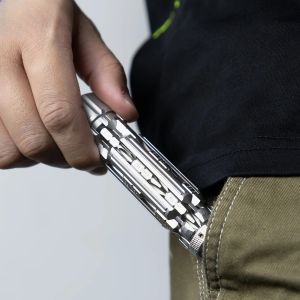
VMAN S1 EDC Multi-Function Screwdriver Set with Magnetic Torx Phillips Hex Drill Bit Portable Repair Tool for Outdoor Home

ESP32 Development Board: IoT Projects & Ultra-Low Power Consumption