


Garden Fence Edging: Enhancing Your Landscape with White Picket Fences
Garden Fence Edging: Enhancing Your Landscape with White Picket Fences
Understanding Garden Fence Edging & White Picket Fences
What is Garden Fence Edging?
Garden fence edging is a decorative border that defines the boundaries of your garden, lawn, or pathways. These borders help keep grass, soil, and mulch in place while adding aesthetic value to your outdoor space. A popular choice among homeowners is the classic white picket fence, which has been a symbol of American charm for generations.
Types of Garden Fence Edging
There are various types of garden fence edging materials available, including wood, metal, plastic, and composite. Each material has its own unique characteristics, benefits, and drawbacks. White picket fences typically come in wood or composite materials, which offer durability and low maintenance.
Benefits of Using White Picket Fences
White picket fences offer numerous advantages for your garden landscape:
- Enhanced curb appeal: White picket fences add charm and character to your home's exterior, making it more inviting and visually appealing.
- Improved privacy: Although not entirely private, white picket fences offer some level of privacy by blocking out passersby and neighboring homes.
- Boundary definition: White picket fences clearly define the boundaries of your garden, lawn, or pathways, creating a cohesive and organized outdoor space.
- Low maintenance: White picket fences require minimal upkeep, making them an ideal choice for busy homeowners.
How to Install Garden Border Edging
Choosing the Right Materials
When selecting materials for your garden fence edging, consider factors such as durability, aesthetics, and maintenance requirements. For white picket fences, wood or composite materials are typically the best choices due to their natural beauty and low maintenance.
Measuring & Planning Your Garden Edging
Before installing your garden fence edging, measure the perimeter of your garden, lawn, or pathways to determine the required length of fencing material. Create a plan for the placement of your white picket fence, taking into account existing landscaping features and desired aesthetics.
Installing Your Garden Border Edging
To install your garden fence edging, follow these steps:
- Prepare the ground: Clear the area of debris, weeds, and any obstacles that may interfere with the installation process.
- Mark the boundary: Use stakes and string to mark the boundary of your garden fence edging.
- Dig the trench: Dig a shallow trench along the marked boundary, approximately 6 inches deep and 2 inches wide.
- Install the fence posts: Place fence posts every 6 to 8 feet along the trench, securing them with concrete.
- Attach the fence panels: Connect the white picket fence panels to the fence posts using the included buckles or screws.
- Backfill the trench: Fill the trench with soil, tamping it down firmly around the fence posts.
Customizing Your Garden Landscape Edging
Creating Unique Shapes & Designs
With white picket fences, you have the freedom to create unique shapes and designs that complement your outdoor space. Consider incorporating curves, angles, or even geometric patterns to add visual interest and enhance the overall aesthetic of your garden landscape.
Incorporating Pathway Edging
White picket fences can also serve as pathway edging, helping to define and enhance the appearance of walkways leading to your home or garden features. Choose from various styles and designs to create a cohesive look throughout your outdoor space.
Maintaining Your Garden Edging
To keep your white picket fence looking its best, perform regular maintenance tasks such as cleaning, painting, and inspecting for damage. By following these simple steps, you can ensure that your garden fence edging remains beautiful and functional for years to come." }

Strawberry ice
You May Also Like
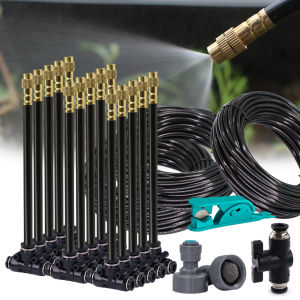
5-30m 1/4\" 4/6mm Garden Misting Cooling System 360° Free-bend Misting Nozzle Adjustable Atomizer Sprayer Outdoor Watering Kits
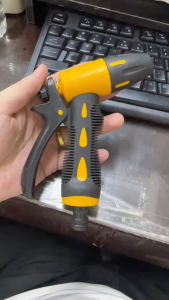
ALLAN Multifunctional Plastic Car Wash Water Gun for Garden Water Spray Gun for Car Wash
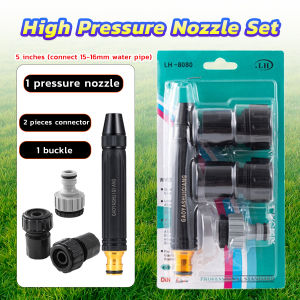
ItemMart High Pressure Nozzle Garden Hose Spray Nozzle Jet Water Pressure Power Spray Nozzle Carwash Set

2 Packs Metal Plant 27cm Plant Dolly with Wheels Heavy Duty Wrought Iron Rolling Plant Stand with Casters for Indoor and Outdoor Plant Pot Rollers Black
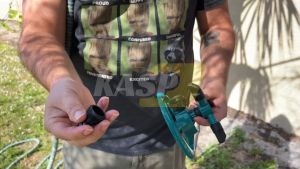
360 Degree Automatic Rotating Irrigation Sprinkler: A Comprehensive Guide

Water Hose PVC Pressure washer Garden Hose set Heavy duty 10/15/20/30/40/50 Meter

Barbecue grill with stand Charcoal Stove With lid Portable BBQ stainless steel Outdoor Charcoal Bbq Grill Cooks quickly
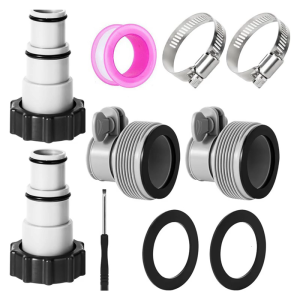
Swimming Pool Hose Adapters Threaded Joint Pool Pump Coupling Universals Pool Hose Adapters Easy to Installation
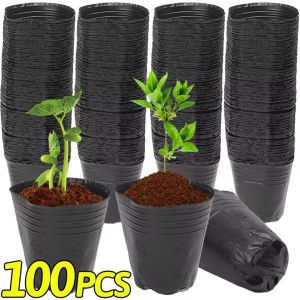
100Pcs Plastic Black Seedling Nursery Pots Seed Starting Grow Bag Flower Plant Breathable Container Garden Vegetable Box Cuttings

Ultrasonic Electronic Mosquito Indoor Intelligent Automatic Mosquito Repellent Portable Outdoor Camping Repellent Type-CCharging

Cat Proof Stab Pad & Anti Cat Sting Nail: A Comprehensive Guide