


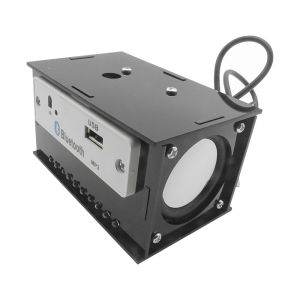
DIY Bluetooth Speaker Production and Assembly Electronic Welding Kit Teaching Practice DIY Electronic Kit Component
DIY Bluetooth Speaker Production and Assembly Electronic Welding Kit Teaching Practice DIY Electronic Kit Component
Introduction to DIY Electronic Welding Practice Kit
Embarking on a journey to produce your own Bluetooth speaker can be both exciting and rewarding. This DIY Bluetooth Speaker Production and Assembly Electronic Welding Kit is a perfect starting point for anyone looking to explore the world of electronics and sound reproduction. Originating from China, this kit offers a new and customized experience, making it ideal for American audiences interested in learning about electronic components and their assembly.
The kit comes equipped with a drive IC that operates at a supply voltage of 5V and is packaged in SOP form. With this kit, you'll have everything you need to build a high-quality Bluetooth speaker, including the necessary components, tools, and instructions.
Step-by-Step Assembly Process
Soldering Techniques
Soldering is a crucial skill when working with electronic components. It involves joining two or more metal surfaces by melting and cooling a filler metal called solder. In the context of our DIY Bluetooth Speaker Production and Assembly Electronic Welding Kit, soldering will be used to connect various components within the speaker.
To master soldering techniques, start by familiarizing yourself with the equipment, such as the soldering iron, solder wire, and flux. Practice proper handling techniques and learn how to maintain a clean and organized workspace. As you progress, you'll become more confident in your ability to solder electronic components accurately and efficiently.
Component Placement
Once you've mastered soldering techniques, it's time to focus on component placement. Properly placing components is essential for the speaker to function correctly. Begin by familiarizing yourself with the various components included in the kit, such as resistors, capacitors, and transistors. Learn how to read component values and understand their roles within the circuit.
Next, refer to the kit's instructions and diagrams to determine the correct placement of each component. Pay close attention to polarity and orientation, as incorrect placement can lead to malfunction or damage. As you become more experienced, you'll develop a keen eye for spotting potential issues before they arise.
Finalizing Connections
With components in place, it's time to finalize connections. This involves soldering wires and connectors to ensure proper electrical connections throughout the speaker. Pay close attention to the kit's instructions and diagrams, as they'll guide you through the process step-by-step.
As you work, take care to avoid creating cold solder joints or bridging connections. These issues can lead to malfunction or damage. If you encounter any problems, refer to the troubleshooting section below for guidance.
Tips for Successful DIY Speaker Production
Troubleshooting Common Issues
Even experienced electronics enthusiasts occasionally face challenges during the assembly process. To help you overcome these obstacles, here are some common issues and their solutions:
- Component malfunction: Double-check component values and ensure proper placement. Replace faulty components if necessary.
- Soldering issues: Practice proper soldering techniques and maintain a clean workspace. Use flux to improve solder flow and prevent cold joints.
- Power supply problems: Verify that the power source is functioning correctly and that the speaker is receiving the appropriate voltage.
Enhancing Sound Quality
Once your DIY Bluetooth speaker is assembled, you may want to explore ways to enhance its sound quality. This can be achieved through various methods, such as adjusting the equalizer settings or experimenting with different audio sources. Keep in mind that sound quality is subjective, so what works for one person may not work for another.
Conclusion & Next Steps
Producing your own DIY Bluetooth speaker can be a fun and rewarding experience. By following the steps outlined in this guide and using the DIY Electronic Welding Practice Kit, you'll gain valuable skills in electronics assembly and sound reproduction.
As you continue your journey, consider exploring additional projects to further expand your knowledge and capabilities. Remember, the key to success lies in practice, patience, and persistence. With time and dedication, you'll become a skilled electronics enthusiast capable of tackling even the most complex projects.
Exploring Additional Projects
Once you've mastered the basics of DIY Bluetooth speaker production, you may want to explore other projects to further develop your skills. Some ideas include:
- Building a portable amplifier: Learn how to amplify audio signals and improve sound quality.
- Creating a wireless microphone system: Discover the intricacies of wireless communication and audio transmission.
- Designing a custom subwoofer: Delve into the world of low-frequency sound reproduction and explore ways to enhance bass response.
Expanding Your Electronics Knowledge
To become a well-rounded electronics enthusiast, it's essential to continually expand your knowledge base. Some ways to do this include:
- Reading books and articles: Stay up-to-date with the latest developments in electronics and sound reproduction by reading books and articles written by experts in the field.
- Attending workshops and seminars: Learn from experienced professionals and network with fellow enthusiasts by attending workshops and seminars focused on electronics and sound reproduction.
- Joining online forums: Connect with other electronics enthusiasts and share knowledge and experiences by joining online forums dedicated to electronics and sound reproduction.
By following these tips and continually challenging yourself, you'll become a skilled and knowledgeable electronics enthusiast capable of tackling even the most complex projects.

KKmol Store
You May Also Like
Colored Packaging Tapes 2 x 50m assorted colors
8-piece set of broken head screws extractor faucet triangle valve broken wire and twisted thread
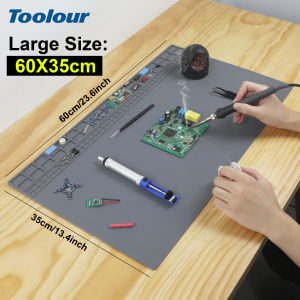
Toolour Welding Silicone Pad High-Temperature Resistant 500℃/Non-Slip/Durable Silicone Welding Mat(Mutil Size)for Welding Work
![Bosch Blower GBL 650 650w. 06019M40K0 Contractors Choice COC Power Tool [ Blue Power by ECL ]](https://img.lazcdn.com/g/ff/kf/S2a8b2a6513af4cca95e214db1c730ac1v.jpg_300x300q80.jpg)
Bosch Blower GBL 650 650w. 06019M40K0 Contractors Choice COC Power Tool [ Blue Power by ECL ]
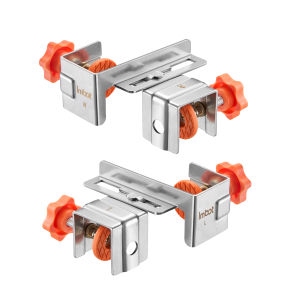
Imbot New Design Stainless Steel Side Drawer Clamp: A Comprehensive Guide
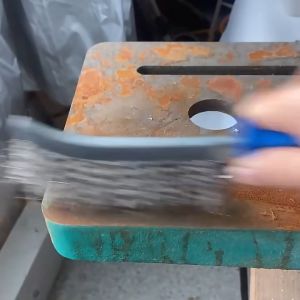
Stainless Steel Wire Brush Paint Rust Remover Tools Metal Polishing Burring Cleaning Brushes

Automatic Door Closer Heavy Duty Automatic Hydraulic Fit Door Closer For Commercial & Home Use
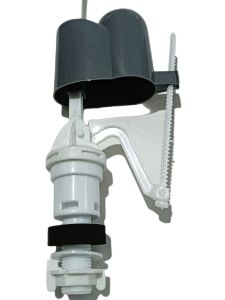
Universal Toilets Water Inlet Valve High Pressure Retractable Seat Pan Long Extension Toilet Accessories Bathroom Supplies
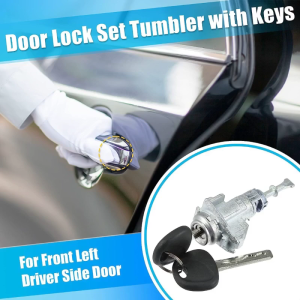
High-Qualitys Car Front Left & Right Door Lock Set with 2 Keys Barrels Kit Compatible for Optima Sedan 4-Door 819702TA00
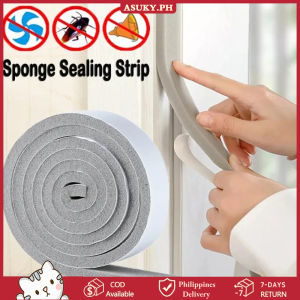
2m Thicken Self Adhesive Foam Tape: A Comprehensive Guide
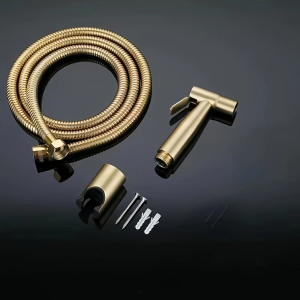
Classic three piece set of gold stainless steel bathroom shower head high-pressure gun toilet matching toilet accessory