


Electric Guitar Cables: Choosing & Using the Right Wire Cord
Electric Guitar Cables: Choosing & Using the Right Wire Cord
Electric guitars are an essential part of modern music, and to ensure optimal sound quality, it's crucial to use the right cables. This guide will help you understand the different types of electric guitar cables, assess your needs, and learn how to properly use and maintain your cables.
Understanding Electric Guitar Cable Types
Jack Line Cable: A Closer Look
Jack line cables are the most common type of electric guitar cable. They connect the guitar to amplifiers, effects pedals, and other audio equipment. The jack plug, typically a 1/4-inch diameter, is designed to securely fit into the input and output jacks of your guitar and amplifier. When selecting a jack line cable, consider the length, durability, and flexibility of the cable.
3 Meters Bass Cable: What You Need to Know
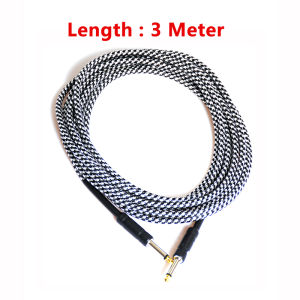
Bass guitar cables are similar to electric guitar cables, but they're specifically designed to handle the lower frequencies produced by bass guitars. A 3-meter bass cable is a popular choice for musicians who need a shorter cable length. It provides enough reach for most stage setups and reduces the risk of tripping hazards. When choosing a 3-meter bass cable, look for a durable construction and a reliable connection.
Noise Reduction Audio Cable: The Benefits
Noise reduction audio cables are designed to minimize interference and unwanted noise in your signal. They're ideal for musicians who perform in noisy environments or those who use multiple effects pedals. Noise reduction cables use shielding techniques, such as braided or foil shielding, to block electromagnetic interference. This results in a cleaner, more focused sound.
Selecting the Best Electric Guitar Cord
Assessing Your Needs
Before purchasing an electric guitar cable, consider your specific needs. Think about the length you require, the type of guitar you play, and the performance environment. For example, if you perform live, you may need a longer cable to accommodate stage movement. If you play bass, a 3-meter bass cable might be a better choice.
Comparing Different Lengths: 3 Meters vs. 6 Meters
When comparing cable lengths, consider the trade-offs between convenience and performance. A 3-meter cable is shorter and more manageable, reducing the risk of tangling and tripping hazards. However, it may not provide enough reach for larger stages or extended performances. A 6-meter cable offers greater flexibility but may introduce more noise and signal loss due to its increased length.
Considering Durability and Flexibility
Durability and flexibility are essential factors when selecting an electric guitar cable. Look for cables with reinforced connectors and braided shielding to ensure a long-lasting, reliable connection. Flexible cables allow for easy handling and reduce the risk of kinking or breaking. Investing in high-quality cables can save you time and money in the long run.
Properly Using Electric Guitar Cables
Setting Up Your System
To set up your electric guitar system, connect your guitar to the amplifier using the appropriate cable. If you use effects pedals, connect them in series between the guitar and amplifier. Make sure all connections are secure and free from interference. Test your setup to ensure everything is working correctly.
Minimizing Noise Interference
To minimize noise interference, use noise reduction cables and keep your system organized. Route cables neatly to avoid tangling and reduce the risk of accidental disconnections. If possible, position your guitar and amplifier away from sources of electromagnetic interference, such as fluorescent lights or other electronic devices.
Maintaining Your Cables
To maintain your electric guitar cables, store them properly when not in use. Keep them in a cool, dry place and avoid exposing them to extreme temperatures or humidity. Regularly inspect your cables for signs of wear or damage, and replace any that show signs of deterioration. By taking care of your cables, you can ensure they provide reliable performance for years to come.
Conclusion: Making the Right Choice for Your Setup
Choosing the right electric guitar cable is essential for optimal sound quality and performance. By understanding the different types of cables, assessing your needs, and properly using and maintaining your cables, you can enjoy a cleaner, more focused sound. Remember to consider factors such as length, durability, and flexibility when selecting a cable, and take steps to minimize noise interference and maintain your equipment. With the right cable, you can take your guitar playing to the next level.

ACOUWAY Agent Shop
You May Also Like
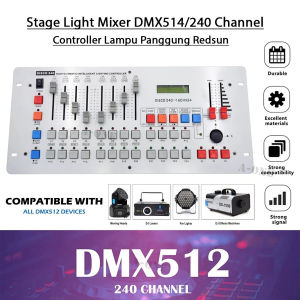
DMX Controller DJ Lighting Disco 240 CH Controller Console For Stage Light Mixing Desk DMX240
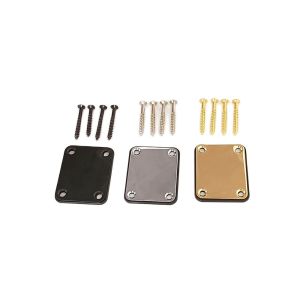
1 Set Electric Guitar Neck Plate Fix Tele Guitar Neck Joint Board 4 Screws
10Pcs Bb Tenor Sax Reeds Hardness Strength 1.5/2/2.5/3/3.5/4 Saxophone Reed Instrument Accessories High-strength Reed

Usapang Pamilya Season 2 DVD
AntiWear Heat Resistant 133Keys PBT Keycaps With Gradients Side Print Topographic Keycaps Full Backlights Compatibility
LEKATO LGS-2 Bass Guitar Straps 3" Wide Bass Strap Padded Adjustable Length with 2 Safety Strap Locks & 6 Picks

Peep Inside a Fairy Tale Cinderella Paperback by Anna Milbourne Original English books
Guitar Tuning Pegs Keys 3R3L Machine Heads Tuners Set Compatible with Acoustic Folk Classical Guitar (Silver)
28Holes Professional Harmonica Wide Range Double Tone C Key Accent Commemorative Edition Harmonica
Electronic Piano Keyboard Extension Rack Digital Panio Stand Adjustable Double Braced Electric Paino Second Tiers Stand
Rechargeable Mini Laser Party Light Portable Stage KTV Disco Lamp Atmosphere Laser Lights Flash for Party Xmas Wedding Bar Club