



Double Head Powerhead Pump: A Comprehensive Guide
Double Head Powerhead Pump: A Comprehensive Guide
Aquarium enthusiasts often seek efficient and reliable equipment to maintain optimal water conditions and promote healthy aquatic life. One such essential piece of equipment is the double head powerhead pump, which plays a crucial role in providing circulation, creating waves, and cleaning aquariums. This comprehensive guide will help you understand the key features, benefits, and best practices for using double head powerhead pumps, wavemakers, circulation pumps, submersible aquarium pumps, and seawater freshwater pumps in your marine aquarium setup.
What is a Double Head Powerhead Pump?
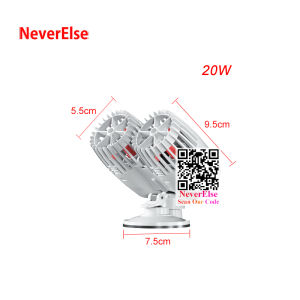
A double head powerhead pump is a compact, high-performance device designed to provide efficient water circulation and wave generation in marine aquariums. These pumps feature two impellers that work together to create powerful currents, promoting gas exchange, nutrient distribution, and waste removal.
Key Features of Double Head Powerhead Pumps
- Compact design: Double head powerhead pumps are small and unobtrusive, making them ideal for aquariums with limited space.
- Dual impellers: Two impellers work together to generate strong currents and waves, ensuring proper water movement throughout the tank.
- Adjustable flow rate: Many models offer adjustable flow rates, allowing you to customize the pump's performance based on your specific needs.
- Energy-efficient: Double head powerhead pumps consume minimal energy, making them cost-effective and environmentally friendly.
Benefits of Using a Double Head Powerhead Pump
- Improved water circulation: Double head powerhead pumps promote efficient water movement, ensuring optimal gas exchange, nutrient distribution, and waste removal.
- Enhanced coral growth: By mimicking natural wave patterns, these pumps encourage healthy coral growth and coloration.
- Reduced algae growth: Proper water circulation helps prevent the accumulation of organic matter, reducing algae growth and improving water clarity.
Choosing the Right Wavemaker for Coral Reef
When selecting a wavemaker for your coral reef aquarium, consider the following factors:
- Size of the aquarium: Choose a wavemaker that can effectively circulate the water volume in your tank.
- Type of corals: Different coral species have varying requirements for water movement. Research the specific needs of the corals in your aquarium to select an appropriate wavemaker.
- Flow pattern: Some wavemakers create continuous waves, while others produce intermittent surges. Choose a flow pattern that best mimics the natural environment of your corals.
Popular Wavemakers for Coral Reef
- Tunze Wavebox: Known for its advanced technology and customizable settings, the Tunze Wavebox is a popular choice among experienced reef keepers.
- Maxspect Gyre: This wavemaker offers a wide range of flow patterns and adjustable power levels, making it suitable for various aquarium sizes and coral species.
- Ecotech Marine VorTech: With its sleek design and energy-efficient operation, the VorTech is a reliable option for both beginner and experienced reef keepers.
Circulation Pump for Fish Tank: Best Practices
To ensure optimal performance and longevity of your circulation pump, follow these best practices:
- Proper installation: Install the pump according to the manufacturer's instructions, ensuring it is securely mounted and properly connected to the aquarium.
- Regular maintenance: Clean the pump's impellers and filter regularly to prevent clogging and maintain optimal performance.
- Monitor water quality: Regularly test your aquarium's water parameters to ensure the pump is effectively circulating the water and promoting healthy aquatic life.
Setting Up Your Circulation Pump
- Choose a suitable location for the pump, taking into account the size of the aquarium and the desired flow pattern.
- Install the pump according to the manufacturer's instructions, ensuring it is securely mounted and properly connected to the aquarium.
- Adjust the flow rate to achieve the desired water movement, taking into account the size of the aquarium and the needs of the aquatic life.
Maintaining Your Circulation Pump
- Clean the pump's impellers and filter regularly to prevent clogging and maintain optimal performance.
- Check the pump's power cord and connections for any signs of wear or damage.
- Monitor the pump's operation for any unusual noises or vibrations, which may indicate a problem that requires attention.
Submersible Aquarium Pump: An Overview
Submersible aquarium pumps are compact, versatile devices designed to provide efficient water circulation and filtration in marine aquariums. These pumps are fully submersible, making them ideal for aquariums with limited space or those that require discreet placement.
Advantages of Submersible Aquarium Pumps
- Compact design: Submersible aquarium pumps are small and unobtrusive, making them ideal for aquariums with limited space.
- Energy-efficient: Submersible aquarium pumps consume minimal energy, making them cost-effective and environmentally friendly.
- Easy installation: Submersible aquarium pumps can be easily installed and removed, making them ideal for aquariums with limited access.
Choosing the Right Submersible Aquarium Pump
When selecting a submersible aquarium pump, consider the following factors:
- Size of the aquarium: Choose a pump that can effectively circulate the water volume in your tank.
- Type of filtration: Some submersible pumps include built-in filters, while others require external filtration systems.
- Flow rate: Choose a pump with an adjustable flow rate to customize its performance based on your specific needs.
Seawater Freshwater Pump: Key Considerations
When selecting a seawater or freshwater pump for your marine aquarium, consider the following factors:
- Water type: Choose a pump designed specifically for seawater or freshwater, as they have different requirements for materials and filtration.
- Size of the aquarium: Choose a pump that can effectively circulate the water volume in your tank.
- Flow rate: Choose a pump with an adjustable flow rate to customize its performance based on your specific needs.
Differences Between Seawater and Freshwater Pumps
Seawater pumps are designed to withstand the corrosive effects of saltwater, while freshwater pumps are typically made from less expensive materials. Additionally, seawater pumps often include built-in filters to remove impurities and maintain optimal water quality.
Tips for Using Seawater and Freshwater Pumps
- Regular maintenance: Clean the pump's impellers and filter regularly to prevent clogging and maintain optimal performance.
- Monitor water quality: Regularly test your aquarium's water parameters to ensure the pump is effectively circulating the water and promoting healthy aquatic life.
- Energy-efficient operation: Choose a pump with energy-efficient operation to reduce your electricity bill and minimize environmental impact.

NeverElse
You May Also Like

Sangelar 7 Inch and 7.5 Inch High-End Professional Curved Pet Grooming Scissors Gold Finish Ideal for Cat and Dog Hair Care (Includes Case)
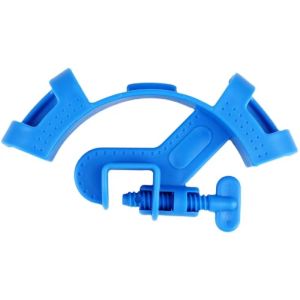
B.F. Fish Tank Water Hose Fixing Clip Aquarium Water Exchange Clamp Accessories

2L Stainless Steel Pet water dispenser Automatic circulation filtration Smart water fountain
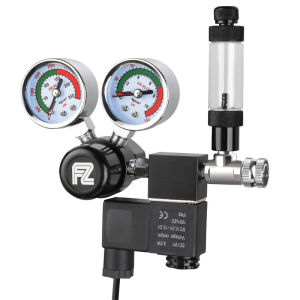
Fzone Single Stage Big Gauge Co2 Regulator Aquarium Accessories Fishbowl Cylinder Tank Bubble Counter Carbon Dioxide Reducer Fis

Promo Bundle of 2 - Vitminpro Powder 1kg
220V Digital STC-1000 Temperature Control Thermostat Sensor for Egg Incubator/Aquarium Supplies

(VARIATION) BIOLINE Keep Off Spray Deodorizer for Unpleasant Smell for Cats 175ml
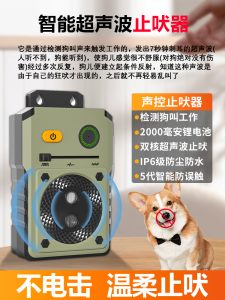
Automatic Ultrasonic Anti-Bark Collar Dog Training Device Noise Pollution Prevention Electric Shock Collar Universal Pet Supplies

Automatic Retractable Leash Outdoor Dog Walking Rope Small Pet Squirrel Monkey Belt Polyester Material Adjustable Lead

1PCS Plastic Defender Cat Squirrel Theif Animals Repellent Keep Pigeon Crow Fence Rail Roof Security Bird Spikes
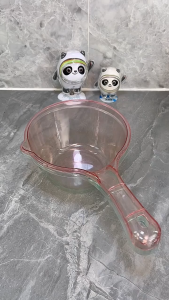
Thick Pet Water Dipper Tabo Transparent Pastel Color